


Know all about the Vitamin B, don't miss it
What is vitamin B

B vitamins are a large family, they have the following common characteristics:
1.To meet the body's needs, the excess will be excreted by the urine.
2. Water-soluble vitamins, the body will not be stored for a long time, if the intake of insufficient deficiency is relatively easy to lack, and it is easy to appear lack of symptoms;
3. The amount of need is very small, belonging to the micro-nutrients, but the role of the huge, the lack of ten thousand can not be
4. The toxicity of all very small

Vitamin B1, also known as thiamine, the main component of decarboxylating coenzyme.
- Involved in the oxidative decarboxylation of pyruvic acid, it is the basic substance necessary for carbohydrate metabolism. Maintains normal nerve function of the body.
- Inhibits cholinesterase activity and maintains normal peristalsis of the intestinal tract.
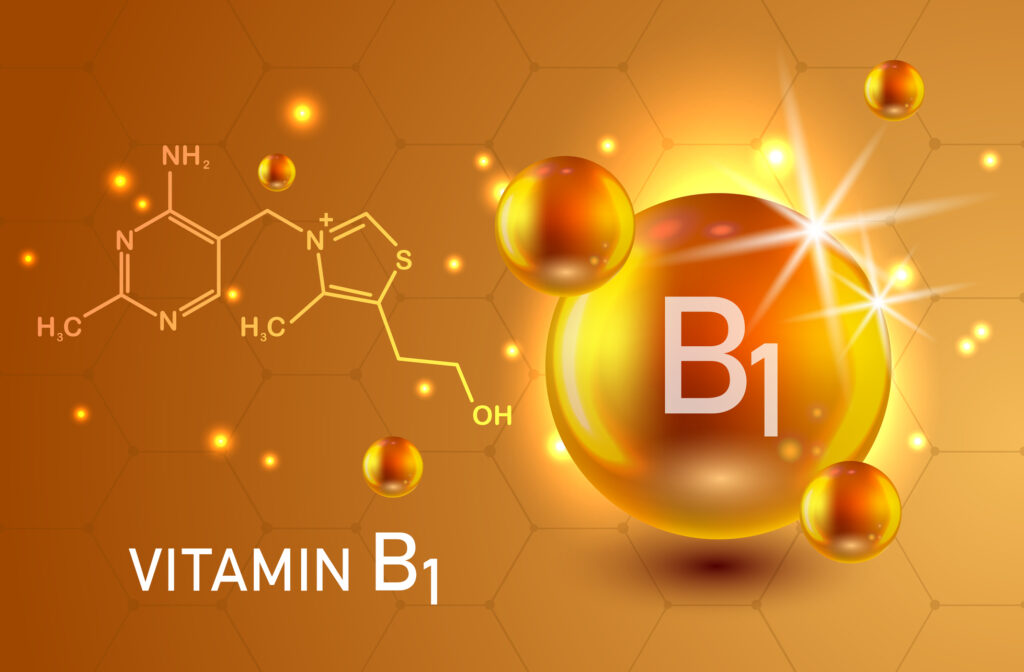
1. Glucose metabolism is blocked, pyruvate accumulates, increasing the pyruvate content in the patient's blood, urine and brain tissue, resulting in symptoms such as polyneuritis, numbness of the skin, heart failure, muscle atrophy and swelling of the lower extremities, which is clinically known as pediculosis.
2.The activity of cholinesterase is elevated, and the hydrolysis of acetylcholine accelerates, which affects the nerve conduction, resulting in slow gastrointestinal peristalsis, decreased secretion of digestive juices, and loss of appetite. Decreased secretion, loss of appetite, dyspepsia and other digestive symptoms.
Because of the close relationship between vitamin B1 and sugar metabolism, more sugary foods, vitamin B1 needs to increase accordingly.

- Maintains normal metabolism of proteins, fats and carbohydrates.
- Promotes normal growth and development.
- Maintain the integrity of skin and mucous membranes, etc.
When vitamin B2 deficiency: first manifested in the skin, can cause dry and cracked lips, keratitis, seborrheic dermatitis, lingual inflammation, keratitis, conjunctivitis, leukopenia and so on.
Niacin is involved in the body's material energy metabolism, regulates blood glucose and lipid levels, and maintains the normal function of the nervous system.
- NAD is also necessary for a number of important physiological activities, including genome stability, neuroprotection, and metabolism.
- During aging, NAD levels typically decline, which can lead to DNA damage, oxidative stress, and mitochondrial dysfunction.
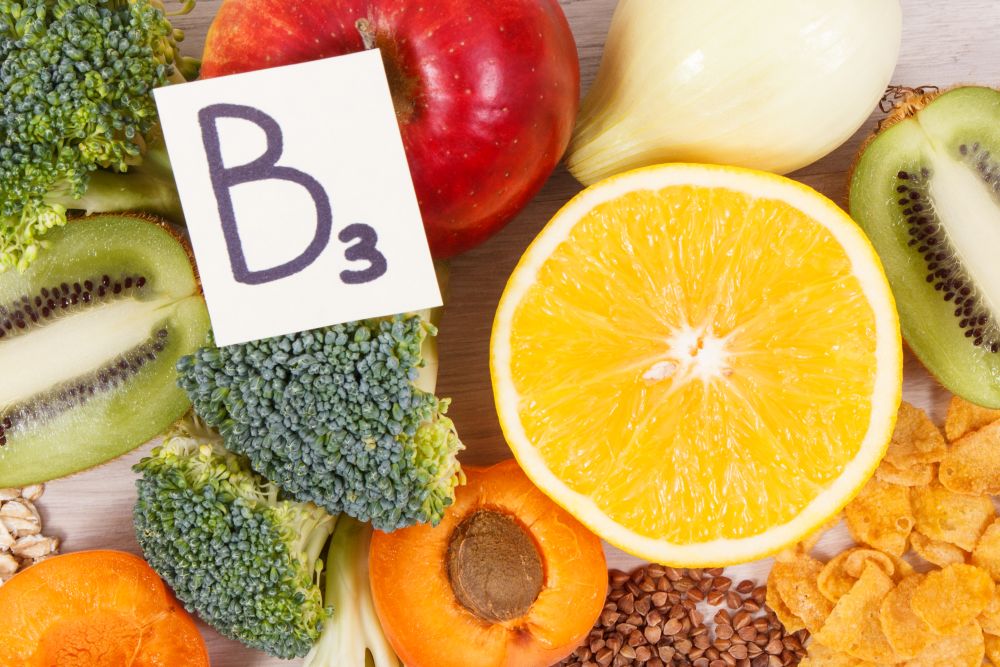
- The systemic disease caused by insufficient niacin intake is called pellagra .
- Severe niacin deficiency can present with the more typical “3D” symptoms of dermatitis, diarrhea and dementia.
Niacin deficiency is often associated with vitamin B1 and B2 deficiencies, as vitamin B1 and vitamin B2 act as coenzymes in the intracellular conversion of tryptophan to niacin, which affects the metabolism of niacin.
Vitamin B5, also known as pantothenic acid, is a component of coenzyme A (CoA) and pantothenoylmercaptoethylamine phosphate.
- Involved in fatty acid synthesis.
- Oxidative breakdown of fatty acids and amino acids.
- Process of heme synthesis.
- Synthesis with steroid hormones, vitamin D.
- Production of porphyrins and porphyrin rings, etc.
Vitamin B5 Deficiency: Pantothenic acid deficiency affects the physiological functioning of many systems, with common effects being decreased fat synthesis and inadequate energy production.
- Irritability, loss of appetite, indigestion, abdominal pain, nausea;
- Headaches, depression, demoralization, fatigue;
- Numbness and tingling in the hands and feet, cramps and numbness in the arms and legs, burning sensation in the feet, etc.;
- As well as an increased stress response, decreased production of antibodies, and hypoglycemia due to increased sensitivity to insulin.

Vitamin B6 consists of 3 substances, pyridoxine, pyridoxal, and pyridoxamine; exists in the body as a phosphate ester, with pyridoxal phosphate PLP (the main coenzyme form) and pyridoxamine phosphate as the active form, and is a coenzyme for a number of enzymes in amino acid metabolism.
- Involved in amino acid, glycogen, and fatty acid metabolism.
- Involved in hematopoiesis and one-carbon unit metabolism.
- Affects the conversion and absorption of niacin, vitamin B12, iron and zinc.
- Maintains immune function.
- Regulates the synthesis of neurotransmitters and increases levels of neurotransmitters, including 5-hydroxytryptamine, taurine, dopamine, norepinephrine, histamine, and gamma-aminobutyric acid.
- Counteracts the deleterious activity of endogenous reaction intermediates.

- Typical seborrheic dermatitis: seborrheic dermatitis of the skin around the eyes, nose and mouth.
- Long-term deficiency of vitamin B₆ will trigger further damage to the central nervous system, hematopoietic, immune, skin, digestive and other multi-organ systems, and even affect the growth and development of infants and young children and increase the risk of hyperhomocysteinemia and cardiovascular disease in the elderly.
- The human body lacks vitamin B6, the ability to synthesize hemoglobin will be weakened, affecting the metabolism of one-carbon units, resulting in megaloblastic anemia.
- Vitamin B6 deficiency, due to intestinal mucosal degeneration, the body's absorption of iron out of control, so that the absorption of iron increased, can cause iron poisoning.
- Vitamin B6 deficiency has a greater impact on infants and young children, and long-term deficiency in young children can result in weight loss, irritability, convulsions, and seizure-like symptoms.
Vitamin B7, also known as biotin, cannot be synthesized by the human body itself and relies mainly on exogenous biotin from food, and some endogenous biotin can be synthesized by intestinal flora.
The main function of biotin is to act as a coenzyme in decarboxylation-carboxylation and deamination reactions.
- Involved in energy metabolism, such as fatty acid β-oxidation, gluconeogenesis, tricarboxylic acid cycle and leucine degradation.
- Regulates gene expression.

- The typical clinical manifestations of biotin deficiency are cutaneous and neurologic symptoms, such as pallor, thinning of hair, dry scaly red dermatitis of the skin, as well as anorexia, nausea, vomiting, and depression.
- Severe deficiencies in infants may manifest mania, lethargy, and developmental delays, even sudden infant death syndrome (SIDS), and the teratogenic effects of biotin deficiency (e.g., abnormalities in absorption or bone development).
Vitamin B9, also known as folate, is involved in amino acid metabolism and acts as a carrier in the interconversion of homocysteine and methionine, which reduces homocysteine levels in the body.
- Folic acid deficiency can lead to megaloblastic anemia in adults and children, increase the risk of preeclampsia, placental abruption, and anemia in pregnant women, and can lead to spontaneous abortion in pregnant women.
- High homocysteine due to folate deficiency is an independent risk factor for cardiovascular diseases such as atherosclerosis.
- Folic acid deficiency leads to incorrect adulteration of uracil, which causes genetic instability and mutations and increases the risk of cancer.

Vitamin B9 (folic acid) deficiency causes:
(1) Insufficient intake: partial food so that dietary folic acid is insufficient or cooking and processing time is too long or the temperature is too high resulting in the loss of folic acid.
(2) Poor absorption and utilization: smoking, alcoholism, diarrhea, small bowel inflammation, tumors, surgery, as well as the use of certain dihydrofolate reductase antagonist drugs, congenital enzyme deficiencies, vitamin B ₁ ₂ and vitamin C deficiency, etc. are to affect the absorption and utilization of folic acid.
(3) Increased need: infants, young children, adolescents, pregnant women, lactating mothers and increased metabolic rate and other conditions (such as hyperthyroidism, chronic infections, tumors, etc.) folic acid needs increase, so that the relative inadequacy of folic acid intake.
(4) Increased excretion: alcoholism, hemodialysis, etc. can increase the excretion of folic acid.
Vitamin B12, also known as cobalamin, is the only vitamin containing the metal element.
- It is involved in the transformation and utilization of biological macromolecules such as proteins, fats and carbohydrates in the body.
- In the hematopoietic system to promote the development and maturation of red blood cells, so that the body's hematopoietic function is in a normal state, involved in deoxyribonucleic acid synthesis.
- It is an indispensable vitamin for the health of central and peripheral nervous system, as well as eliminating irritability and enhancing memory.
- Megaloblastic anemia, fatigue, weakness, pallor Neurological damage:
- Numbness and tingling in the extremities, cognitive decline, depression and anxiety
- Hyperhomocysteinemia
Vitamin B have multiple benefits in maintaining human health, from energy metabolism to nervous system function to skin health and immune system support.Vitamin B work synergistically with each other, and it is more effective to take multiple Vitamin B at one time rather than separately. Proper supplementation of B vitamins can significantly improve overall health and prevent the onset of many chronic diseases.
What is the contact information?
Xi'an Rui Zelin Bio Tech Inc. Was Established In 2004 And Has More Than 17 Years Of Experience In Import And Export Of Foreign Trade. It Is a Large-Scale Gold Supplier Integrating Production And Sales. We Also Provide Api,Vitamins,Cosmetic Ingredients Manufacturing Service. We have a strong professional R&D team, excellent talents and well-equipped laboratories for quality control. All products are in accordance with international standards, with more than five years of experience in technical inspection personnel, with advanced testing equipment, with their own independent, fully equipped testing laboratory, and strive to provide customers with high quality products and services. At present, the hot product minoxidil is widely used in medicine and other aspects. Friends who need to buy or are interested can enter our work email through the international website or email info@ruizelinherb.com. We will reply to you as soon as possible; In addition, you can also come to the offline field visit. Our company is located at Room 2413, Building C1, Haijing International, Economic Development Zone, Fengcheng 2nd Road, Xi 'an, Shaanxi Province.


