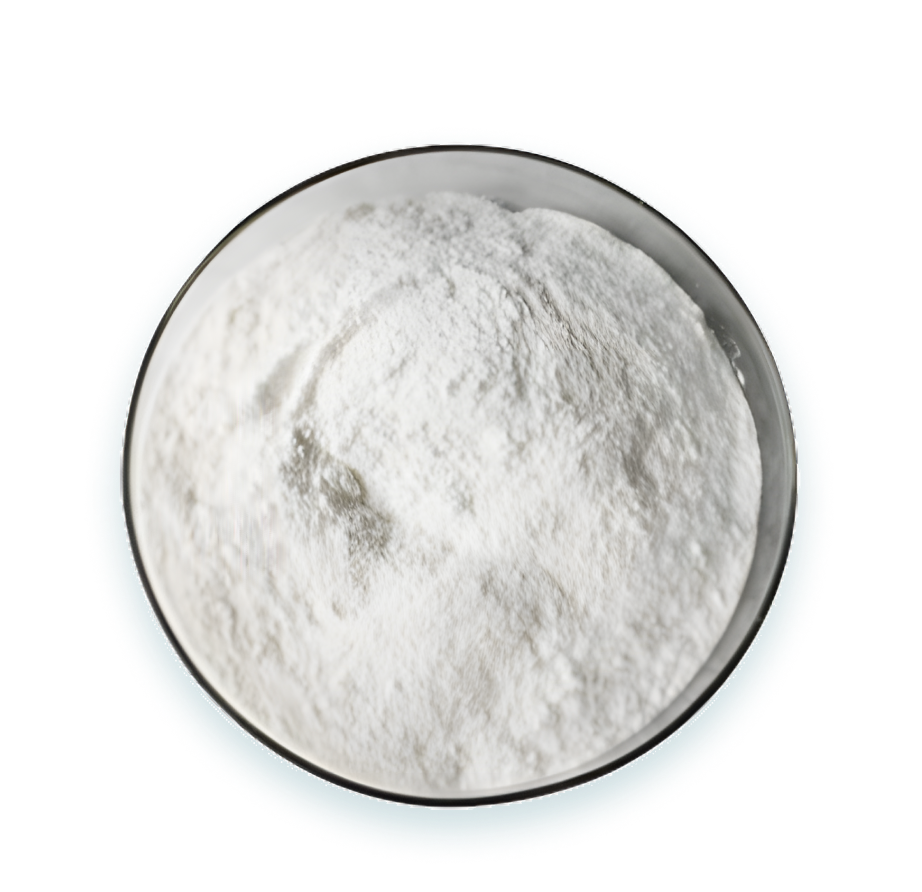





Vitamin B1
It promotes normal glucose metabolism and is essential for the maintenance of nerve conduction, heart and gastrointestinal tract function.
Its combination with adenosine triphosphate to form vitamin B1 pyrophosphate (thiamine diphosphate that is, coenzyme), carbohydrate metabolism Chemicalbook the necessary coenzyme, the coenzyme deficiency can lead to oxidative metabolism is blocked and the formation of pyruvic acid and lactic acid buildup, affecting the body's energy supply.
Vitamin B1 can also inhibit the activity of cholinesterase, when the lack of; cholinesterase activity increases, acetylcholine hydrolysis accelerated, leading to nerve impulse conduction disorders, affecting gastrointestinal and cardiac function.
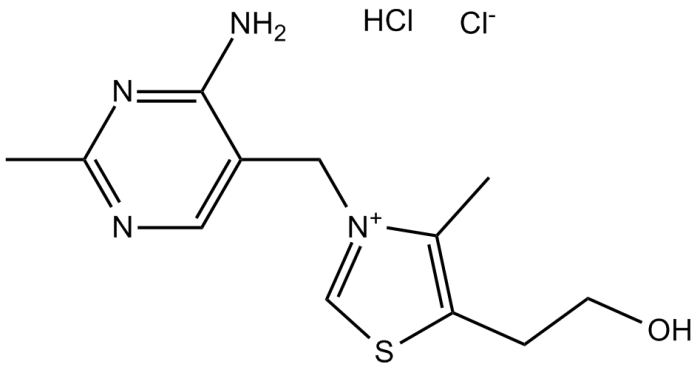
Vitamin B1, also known as “thiamine”, is one of the B vitamins.
It promotes normal glucose metabolism and is essential for the maintenance of nerve conduction, heart and gastrointestinal tract function.
Its combination with adenosine triphosphate to form vitamin B1 pyrophosphate (thiamine diphosphate that is, coenzyme), carbohydrate metabolism Chemicalbook the necessary coenzyme, the coenzyme deficiency can lead to oxidative metabolism is blocked and the formation of pyruvic acid and lactic acid buildup, affecting the body's energy supply.
Vitamin B1 can also inhibit the activity of cholinesterase, when the lack of; cholinesterase activity increases, acetylcholine hydrolysis accelerated, leading to nerve impulse conduction disorders, affecting gastrointestinal and cardiac function.


Vitamin B1 plays the role of coenzyme in the process of sugar metabolism and is necessary for the oxidative decarboxylation of pyruvate.
Studies have shown that the serum level of vitamin B1 is reduced in patients with type I diabetes mellitus, while the serum level of vitamin B1 is normal in elderly patients with type II diabetes mellitus. From the point of view of the close relationship between vitamin B1 and glucose metabolism, vitamin B1 deficiency will first cause dysfunction of organs and tissues with strong glucose metabolism, such as the nervous system and cardiac dysfunction.
Vitamin B1 is also clinically observed to be effective in neuropathy, especially painful neuropathy. Vitamin B1 maintains normal nerve and heart muscle function.
There is evidence that patients with congestive heart failure are often deficient in vitamin B1 as a result of diuretic use.
Vitamin B1 can also be supplemented Vitamin B1 will be helpful for people who drink alcohol, have Crohn's disease, are anorexic, or have multiple sclerosis, and it can be used as part of systemic nutritional support.

2. For vitamin B1 supplementation: including burns, fever, long-term chronic infection patients; malabsorption syndrome with hepatobiliary system diseases (such as alcoholism with cirrhosis of the liver), small intestinal disorders (such as celiac disease, persistent diarrhea, etc.), gastrectomy, hyperthyroidism and hemodialysis patients; malnutrition caused by prolonged parenteral nutrition or insufficient intake, heavy laborers and pregnant women, Lactating women.