


Tea polyphenols - the Gem of Tea
Tea polyphenol (tea polyphenloys, TP) is the key substance of tea flavor, but also the main active ingredient in tea, with antioxidant, anti-inflammatory and anti-tumor and other biological functions. Tea polyphenols account for 18% to 36% of the dry mass of tea, consisting of phenolic acids, catechins, anthocyanins and flavonoids, of which catechin compounds account for about 75% of the total tea polyphenols, which is the main component of secondary metabolites of the tea tree.
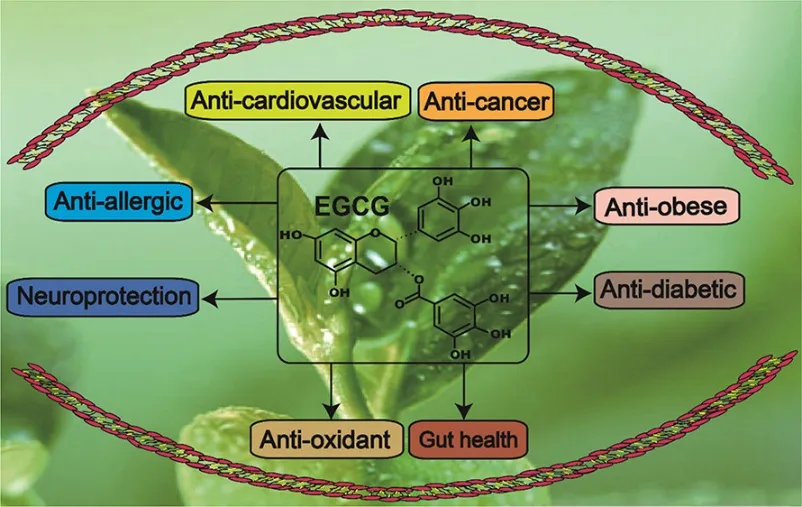
Tea polyphenols can regulate cholesterol and lipid metabolism, reduce serum LDL cholesterol, triglycerides, total cholesterol levels. In addition, tea polyphenols can inhibit the inflammatory response and reduce the infiltration of inflammatory cells in blood vessels, thus helping to maintain vascular endothelial function and vascular elasticity.
Some studies have shown that tea polyphenols may also have a role, including antiseptic and antiviral, to protect brain function, reduce anxiety and depression, skin beauty and other effects. However, more clinical studies are needed to confirm these effects and to understand their specific mechanisms of action.
Which tea has most polyphenols
Not all teas have the same amount of tea polyphenols. The deeper the fermentation of tea, the more polyphenols are converted into other substances, and the content of polyphenols will be reduced accordingly. Green tea is unfermented, the tea polyphenol content is quite rich, some data show that the green tea in the tea polyphenol content than the same quality of black tea is higher than 144%, than the same quality of oolong tea is higher than about 59%.
It should be noted that although tea polyphenols are beneficial to health, excessive consumption of tea-based beverages may also have adverse health effects, such as impeding iron absorption and affecting sleep. Therefore, you should pay attention to moderation when drinking tea, and choose the right tea drink and the amount of tea to drink according to your personal situation. Meanwhile, for people with specific diseases or symptoms, it is recommended to drink tea under the guidance of a doctor or dietitian.


