


Luteolin---the king of anti-inflammatory and antioxidant potential
2025-01-02
1.What is luteolin
Luteolin is a natural flavonoid compound found in many plants. It has a variety of pharmacological activities, such as anti-inflammatory, anti-allergic, uric acid-lowering, anti-tumor, antibacterial, antiviral, etc. It is mainly used clinically for cough relief, expectorant, anti-inflammatory, uric acid-lowering, treatment of cardiovascular diseases, treatment of "amyotrophic lateral sclerosis", SARS, hepatitis, etc.

2.What foods contain luteolin
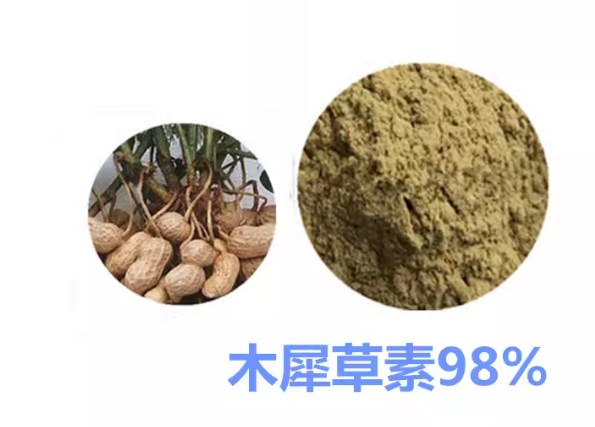
Luteolin, mostly in the form of glycosides, is found in a variety of plants. Luteolin is most often found in leaves, but it can also be seen in fruit peels, bark, clover flowers, and ragweed pollen. It has also been isolated from the aromatic flowering plant, sage. Dietary sources include celery, broccoli, green peppers, celery, thyme, dandelions, basil, chamomile tea, carrots, olive oil, mint, rosemary, navel oranges, and oregano. It can also be found in the seeds of some palms.

3.What is luteolin good for
1. Antioxidant
Flavonoids can scavenge oxygen free radicals and are very strong O2 scavengers and 1O2 quenchers. The position and number of phenolic hydroxyl substituents in the structure of flavonoids affect their antioxidant capacity. The ortho-diphenolic hydroxyl group of the B ring of flavonoids is the structural basis for the antioxidant effect, which greatly enhances the antioxidant activity of luteolin. Luteolin can provide hydrogen atoms to react with free radicals to generate stable compounds, avoiding ROS damage to cells. In addition, it can also promote nuclear factor E2-related factor 2 (Nrf2) to enter the cell nucleus and bind to antioxidant elements (ARE), enhancing the activity of antioxidant enzymes such as catalase, superoxidase, glutathione peroxidase, and heme oxygenase 1, thereby reducing the amount of ROS generated. The study of luteolin to scavenging the production of ROS induced by UVA irradiation showed that luteolin can scavenges ROS, has a protective effect on human skin fibroblasts (HSF), and inhibits the production of HIF-1α, thereby reducing the autophagy of HSF caused by UVA irradiation. Human immortalized epidermal (HaCaT) cells were exposed to 100 μmol/L hydrogen peroxide and treated with different doses of luteolin. The results showed that luteolin could effectively prevent the decrease in cell viability induced by hydrogen peroxide. The effect of luteolin on hydrogen peroxide-induced apoptosis was further evaluated. The results showed that luteolin could inhibit hydrogen peroxide-induced keratinocyte apoptosis. The antioxidant activity of luteolin varies with pH values. Under acidic conditions, the optimal pH range for luteolin to exert its antioxidant effect is 3-4. Compared with butylated hydroxytoluene, luteolin has a greater effect on inhibiting the formation of malondialdehyde in palm oil, so it has a stronger antioxidant capacity.
2. Antibacterial
A large number of studies have shown that luteolin has an inhibitory effect on a variety of bacteria. Experiments have confirmed that luteolin can destroy the integrity of bacterial cell walls and increase the permeability of cell membranes, leading to changes in cell morphology. In addition, luteolin can inhibit the activity of intracellular DNA topoisomerase, thereby reducing the content of total protein and nucleic acid in cells and inhibiting bacterial proliferation. Other studies have shown that luteolin can cause Escherichia coli and Enterobacter cloacae cells to become irregular in shape, and a few Escherichia coli cells are twisted or even broken. Luteolin has good anti-methicillin-resistant Staphylococcus aureus activity, and has a synergistic effect when used in combination with quinolone and aminoglycoside antibiotics, which can reduce the minimum inhibitory concentration of antibiotics, thereby reducing their toxic side effects. The pH value also affects the antibacterial effect of luteolin. In the range of pH 5.0 to 9.0, the minimum inhibitory concentration of luteolin against Staphylococcus aureus is less than 0.24%, and the antibacterial effect is strong. As the pH decreases or increases, the minimum inhibitory concentration tends to decrease. High temperature and short-time heat treatment will not affect its antibacterial activity. Luteolin not only has a broad antibacterial spectrum and strong antibacterial activity, but also can eliminate bacterial resistance and has a good effect on the treatment of bacterial infections, especially drug-resistant bacterial infections.
Previous News: Discovering the Health Benefits of Hypoxanthine
Next News: Food Ingredients---Ubiquitous Gelatin


