


Excellent Functional Food Ingredients-Inulin
What is inulin
Inulin is the energy-storing polysaccharide in plants, and is the second largest non-structural carbohydrate found in nature so far after starch, with more than 36,000 species of plants found to contain inulin.
Inulin is the highest quality natural prebiotic and dietary fiber discovered by mankind, from 1804 when it was discovered by German scientists, and has a history of more than 200 years.
Inulin is the most thoroughly researched to date and is recognized as a high quality prebiotic and dietary fiber by the academic and nutritional communities. The characteristic of inulin is that it cannot be directly absorbed by the human body, and is transformed by probiotics at the human colon as a carbon source by fermentation, which is safe for the human body.
What foods contain inulin
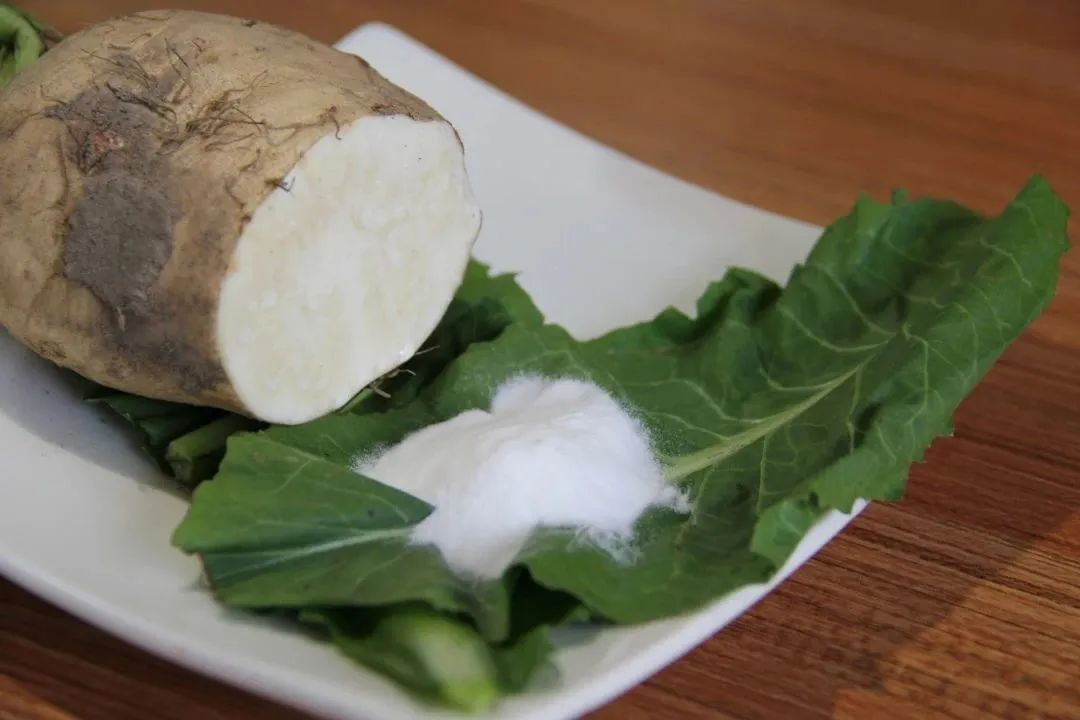
Inulin on the market today is mainly extracted from chicory and inulin, of which more than 80% of global inulin is extracted from chicory.

What is inulin used for
Studies have shown that the adult body has roughly 1.5 to 2 kilograms of bacteria, and the intestines are the largest repository of these bacteria, with as many as 100 trillion bacteria. The good bacteria are called beneficial bacteria, the bad bacteria are called harmful bacteria, and there is a neutral bacteria in between. Bacteria fight every day for the survival and reproduction of their species. When the beneficial bacteria prevail, our intestines are healthy; when the harmful bacteria prevail, then the intestines are unhealthy.
Scientists have found that more than 30 modern civilization diseases including obesity, hyperglycemia, chronic diarrhea/constipation, and depression are related to disorders of the intestinal flora. Therefore, in order to maintain the healthy state of the intestinal tract, we need to give our beneficial bacteria warriors sufficient sustenance.
Inulin is the food that increases the value-added of beneficial bacteria - prebiotics. There are many kinds of prebiotics, such as inulin, oligofructose, oligogalactose, fructose, oligosaccharides, oligosaccharides, oligoisomaltose, lactitol and so on. However, the ones with the most data and evidence from scientific experiments and clinical trials are still inulin, oligofructose and oligogalactose, which are unanimously recognized by the scientific community as pure natural prebiotics.
Inulin benefits
01 Regulate the structure of intestinal microbial community
02 Improve diarrhea
03 Regulation of blood sugar
04 Relieve obesity and lower cholesterol
05 Lowering blood fat
In 2003, the US FDA has confirmed that inulin is GRAS (Generally Recognized As Safe Substances), with an effective daily intake of 5 grams and a recommended maximum daily intake of 15-20 grams.
At present, inulin has been widely used in milk powder, milk tablets, beverages and herbal tea for middle-aged and old-aged people.