


Allulose: The New "Sweet" Option in the Food Industry

Aloinose is a six-carbon ketose with the chemical formula C₆H₁₂O₆. It is the C-3 diastereoisomer of fructose, meaning that the only difference between the two in terms of molecular structure is the configuration of the third carbon atom (mirror image isomerism). This minor difference endows aloinose with unique physiological metabolic characteristics - the human body cannot effectively metabolize aloinose, and the vast majority (70%-90%) of the aloinose ingested will be absorbed by the small intestine and directly excreted through urine. Only a very small portion enters the large intestine and is slightly fermented by microorganisms, but it almost never converts into energy that can be utilized by the human body. Therefore, the energy coefficient of aloinose is extremely low, approximately 0.4 kilocalories per gram (sucrose is 4 kilocalories per gram), and its contribution to calories is almost negligible.
2.In which plants is allulose foun?
Although alocinose is a naturally occurring monosaccharide, its content in nature is extremely low. It is mainly found in plant-based foods such as figs, kiwis, wheat bran, raisins, and corn. However, its natural extraction is difficult and costly, making it unaffordable for industrial production. Therefore, it is also classified as a rare sugar.
3.The advantages and features of allulose
01. High degree of natural sweetness and flavor reproduction
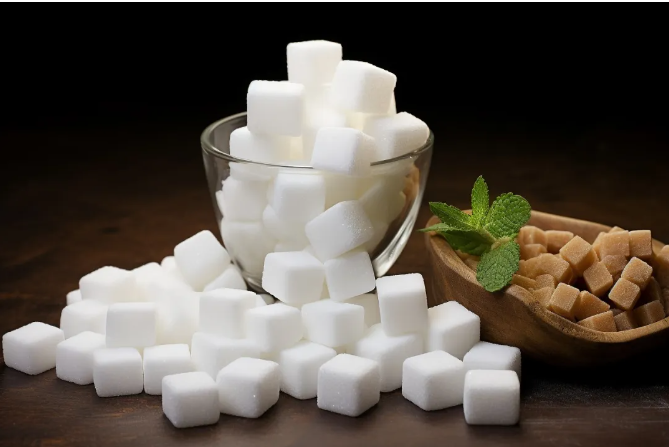
The sweetness of alocinose is approximately 70% of that of sucrose. It has a pure and mild taste, without the metallic taste, bitter aftertaste or cooling sensation commonly found in artificial sweeteners. Its taste is extremely similar to that of sucrose. This characteristic enables it to be used alone or in combination with other sweeteners, providing a pleasant sweetness close to that of sucrose in beverages, baked goods, candies and other products. It is particularly suitable for applications where the quality of sweetness is highly demanded. For example, in carbonated beverages, alocinose can reduce the astringency and enhance the bubble sensation, making zero-calorie drinks have a taste closer to the full-sugar version; in baked goods, it can impart a golden color and toasty flavor to cakes, cookies, etc., while reducing the calorie burden.
02.Nearly zero calories and low glycemic response
Aloinose contributes very little to calories and does not cause fluctuations in blood sugar or changes in insulin levels. Its glycemic index (GI) is almost zero, making it an ideal choice for people with diabetes, obese individuals, and those concerned about healthy eating. Numerous studies have shown that consuming aloinose not only does not raise blood sugar but may also slow down the digestion and absorption of carbohydrates by inhibiting the activity of α-glucosidase, or enhance satiety and reduce appetite by regulating the secretion of intestinal hormone GLP-1 (glucagon-like peptide-1), thereby assisting in weight management. Animal experiments have further confirmed that aloinose can reduce abdominal fat accumulation, improve insulin sensitivity, and decrease the activity of liver fat synthesis enzymes, promoting fat breakdown metabolism. These health benefits make it go beyond the role of a simple sweetener and become a functional food component.
03.Outstanding processing adaptability and stability
Participation in the Maillard reaction: Similar to sucrose, alocinose can undergo the Maillard reaction with proteins and amino acids during baking and roasting, resulting in an attractive color and flavor without the need for additional coloring agents or flavorings.
Stabilization of protein whipping and gel formation: In products such as whipped egg whites and gummy candies, arabinose helps maintain the whipping properties of egg whites or enhances the elasticity of gummy candies, overcoming the problem of hard texture and poor taste in traditional sugar-free formulations.
Wide pH and temperature tolerance: In acidic beverages or high-temperature sterilization processes, the arabinan structure remains stable, and it is not prone to decomposition or the production of off-flavors, ensuring the consistency of product quality.

Cookies and energy bars: Improve texture properties, provide caramel flavor or participate in Maillard browning, meeting consumers' demands for low-sugar and healthy baking.
Chocolate products: When partially replacing sucrose with alocinose, it can optimize the sweet release curve of chocolate, reduce the "hollow feeling" or "lightness", and can further enhance sensory consistency by being combined with other ingredients.
Snack food flavoring: When used in products such as pork rinds and seasoned nuts, it can balance the salty and sweet flavors, reduce calories, and meet the demand for low-calorie consumption.
Tabletop sweetener: Available in individual packaging, allowing consumers to directly add it to coffee, tea, or cereal and other foods for convenient sugar reduction.

For more information Allulose and its applications, visit //www.ruizelinbio.com/ or email address:info@ruizelinherb.com. We will reply to you as soon as possible,Thanks very much.