


The Function Theory of Essential Amino Acid "Methionine"
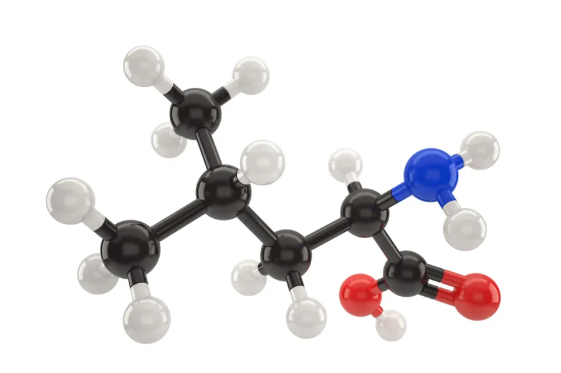
3.Metabolism and Function of Methionine
02.Under the activation of methionine adenosine transferase, S-adenosylmethionine is first produced. It is the most important methyl donor in the animal body, capable of providing methyl groups for the methylation of proteins, DNA and RNA. After transmethylation, S-adenosylhomocysteine is formed. At the same time, the homocysteine produced by hydrolysis can obtain methyl groups through folic acid or choline and then undergo further methylation to regenerate methionine, forming a self-regulating cycle of methionine to avoid excessive loss of methionine in the body.
04. After methylation of methionine, it does not form methionine through further methylation. Instead, it is converted into cysteine through the trans-sulfuration pathway from the metabolic by-product homocysteine, and then metabolized to produce antioxidant products, thereby exerting its antioxidant capacity.
In addition to performing its function by synthesizing proteins, methionine also has some unique functions. For instance, methionine can promote the methylation of phospholipids in the liver cell membrane, enhancing membrane fluidity and the activity of Na+ and K+-ATPase. This not only reduces bile stasis in liver cells, but also plays a role in protecting and healing the liver and improving liver function. It can also increase the synthesis of cysteine, glutathione and taurine, and enhance the antioxidant level of cells.

4.The addition and subtraction of methionine
Maintaining adequate levels of methionine is extremely important for the health of the body. However, excessive intake of methionine can induce harmful effects on the body's health, such as growth retardation, abnormal blood lipids, hyperhomocysteinemia, atherosclerosis, learning and memory impairment, and skeletal muscle damage. Currently, more and more studies have confirmed that restricting the supply of methionine seems to have an astonishing effect on extending the lifespan.
If we consider the aspect of extending the lifespan, it seems that restricting amino acids such as methionine and isoleucine has more benefits than drawbacks. So, should we also control the intake of methionine or protein? The answer is no. Firstly, from the current situation of protein intake, protein deficiency is a common phenomenon, while excessive intake is only in a few cases, such as fitness enthusiasts or those who "can't live without meat"; Secondly, dietary restrictions have a clear directionality in animal experiments, but in real life, it is impossible to "copy exactly". If we blindly restrict protein intake, it is impossible to determine whether it can extend lifespan, but it is certain that the health index will decline. Therefore, at present, expanding the access to protein is a more reliable health secret.


