


Comparison of Nutritional Value between Antarctic Krill Oil and Fish Oil: Research Progress Based on Composition, Bioavailability and Daily Intake
Antarctic Krill Oil vs Fish Oil
Research Progress Based on Composition, Bioavailability and Daily Intake
The Importance of Omega-3 Fatty Acids
Omega-3 polyunsaturated fatty acids are essential nutrients that the human body cannot synthesize on its own. They are necessary for the production of various hormones and endogenous substances, and only through external supplementation can the body's physiological functions operate normally.
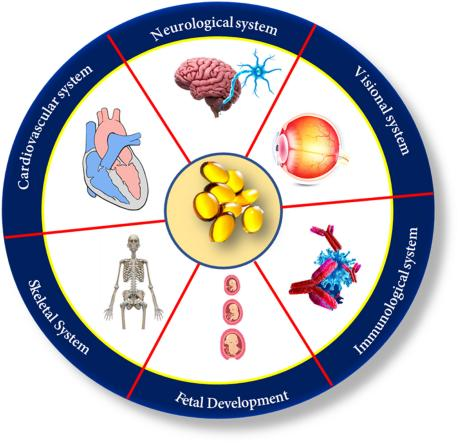
Omega-3 fatty acids primarily include α-linolenic acid (ALA), eicosapentaenoic acid (EPA), and docosahexaenoic acid (DHA). Among these, DHA and EPA help prevent and treat immune, neurological, skeletal, reproductive, and cardiovascular complications. Additionally, polyunsaturated fatty acids play crucial roles in fetal development and tumor cell proliferation.
Unique Advantages of Antarctic Krill Oil
Antarctic krill, known as "the world's future food bank," currently has an annual production of up to 500,000 tons and is widely distributed in the Southern Ocean around Antarctica. Antarctic krill contains a variety of nutrients, with Antarctic krill oil attracting widespread attention due to its unique nutritional composition and high bioavailability.
Krill oil is a unique lipid composed of multiple lipid types, characterized by high concentrations of phospholipids (PLs) (39.29% to 80.69%) combined with eicosapentaenoic acid (EPA) and docosahexaenoic acid (DHA). It also contains considerable amounts of bioactive microcomponents such as astaxanthin, sterols, tocopherols, vitamin A, flavonoids, and minerals.
Characteristics of Fish Oil
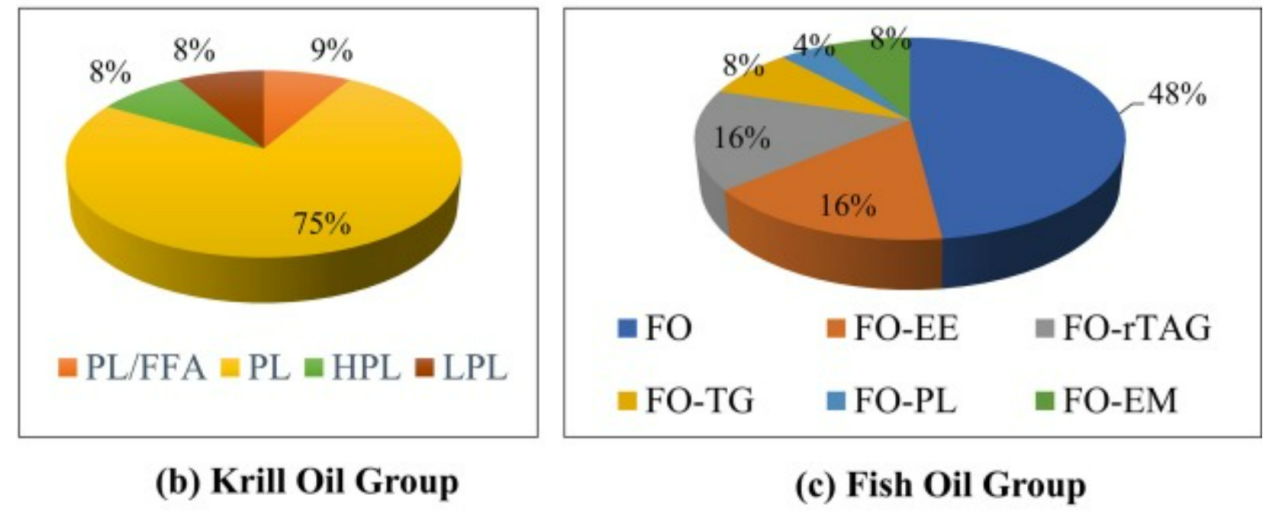
Similarly, fish oil, which has been used as an Omega-3 supplement in daily life, is a natural source of long-chain polyunsaturated fatty acids that plays an important role in human health and prevents various diseases. Sources of fish oil include oily fish such as sardines, tuna, mackerel, herring, bluefish, anchovies, trout, mullet, and salmon.
Fish oil mainly contains EPA, DHA, and other Omega-3 unsaturated fatty acids in the form of triglycerides, along with some cholesterol, vitamin A, vitamin D, and vitamin E.
So, which should you choose for Omega-3 supplementation: Antarctic krill oil or fish oil?
The following detailed comparison tables and analysis will help you make an informed decision.
Composition Comparison: Antarctic Krill Oil vs Fish Oil
| Composition Characteristics | Fish Oil | Antarctic Krill Oil |
|---|---|---|
| Omega-3 Form | Primarily triglyceride form | Primarily phospholipid form |
| Core Advantage | High Omega-3 content per unit, cost-effective | Potentially higher bioavailability, contains phospholipids and antioxidants |
| Phospholipid Content | Little or none | High (about 40%) |
| Natural Antioxidants | None (usually requires additional vitamin E) | Astaxanthin (natural preservative, provides additional health benefits) |
| Choline Content | Little or none | High (supports brain and liver health) |
| Physical Properties | Oily, easily oxidized, fishy odor | Oily, reddish-brown due to astaxanthin, more stable, milder odor |
Research on Krill Oil Health Benefits
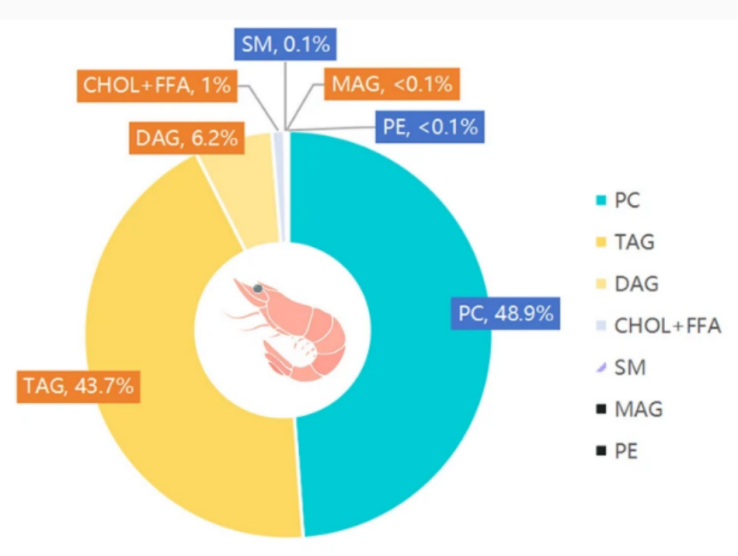
Compared to common edible oils that mainly consist of triacylglycerols (TAGs) (>95%), krill oil shows a more diverse range of lipid classes: phospholipids PLs, triglycerides TAGs, diglycerides (DAGs), monoglycerides (MAGs), free fatty acids (FFAs), and others. Phospholipids are the main components of cell membranes and are considered to have similar solubility properties to cell membranes.
Health Benefits of Krill Oil - Research Summary
A large number of studies have been conducted to evaluate the health benefits of krill oil, including anti-inflammatory effects, prevention of cardiovascular disease, anti-obesity and anti-diabetic effects, women's health, neuroprotection and anti-cancer activity, as summarized in the table below.
| Benefit | Study Type | Krill Oil Information | Findings | References |
|---|---|---|---|---|
| Anti-obesity and anti-diabetic effects | Randomized, double-blind, multi-center study in healthy adults with fasting serum TAGs between 1.3 and 4.0 mmol/L | Krill oil capsules provided by Rimfrost AS; n-3 PUFAs, 166 mg/g | Supplementation with krill oil for 8 weeks (4 g/day) significantly increased the level of total lipids; PLs, cholesterol, cholesterol esters and nonesterified cholesterol in the smallest VLDL subclass and decreased blood glucose | Rundblad et al., 2017 |
| Randomized cross-over, clinical trial in mildly overweight hyper-triplycertoemic subjects | Krill oil provided by Erbozeta S.r.l.; EPA, 75 mg per pill; DHA, 45 mg per pill | Supplementation with 1 g krill oil per day for 4 weeks significantly improved TG, HDL-C and apolipoprotein A1 levels in plasma | Cicero et al., 2016 | |
| Animal experiment in high-fat diet | Superba® krill oil provided by Aker BioMarine; EPA, 12.5%; DHA, 7%; TAGs, 2.3%; FTAs, 6%; PLs, 58%; and TC, 6% | Supplementation with krill oil (1,25%, 2.5%, or 5.0%) in total for 8 weeks significantly reduced AEA and 2 AG levels in heart, kidneys, gastroenteritis muscle, inguinal and epididymal adipose tissue | Piedtelli et al., 2011 | |
| Animal experiment in obese Zucker rats | Krill oil provided by Aker BioMarine; unreported composition | Supplementation with O.44 g EPA+DHA from krill oil per 100 g diet for 4 weeks decreased levels of AEA and 2 AG in visceral adipose tissue, AEA in liver and heart, and 2 AG levels in brain | Batetta et al., 2009; Di Marzo et al., 2010 | |
| Animal experiment in hyperlipidemia rats model | Krill oil purchased from local market; unreported composition | Supplementation with krill oil for 4 weeks reduced body weights in the low and middle dosage groups (16.65, 50 mg krill oil per 100 g body weight) | Zhu et al., 2008 | |
| Animal experiment in C57BL/61 mice fed with high-fat diet | Krill oil extracted from frozen Antarctic krill by enzyme-assisted extraction; EPA; 16.3%; DHA; 9.6%; TAGs; 63.30%; PLs, 28.68%; astaxanthin, 248.8 ppm; toxopherols, 217 ppm | Dietary intake of 5 krill oil per 100 g diet for 12 weeks reduced body weight gain; improved the glucose tolerance and fast blood glucose, resulted in less fat accumulation in tissue such as adipose and liver | Sun et al., 2017b | |
| Animal experiment in male C57BL/6N mice fed with high-fat diet | Krill oil extracted from frozen Antarctic krill by a subcritical extraxiform system; PLs, 42.3%; TGs, 30.6%; FTAs, 12.2%; sterol esters, 6.2%; cholesterol/sterols, 5.8%; unknown neutral lipids, 2.9%; EPA, 19.40%; DHA, 14.10%; astaxanthin, 191 ppm | Krill oil supplementation with 5.0% in diet for 10 weeks resulted in a 15% lower body weight gain and a dramatic suppression of hepatic seratosis by modifying gene expressions of AMPK | Yang et al., 2016 | |
| Women's health | Animal study in ovanectomized rats | Krill PLs obtained from Nippon Suisan Co. Ltd.; unreported composition | Supplementation with 182 mg EPA + 118 mg DHA obtained from krill PLs for 2 weeks improved the cerebral blood circulation in ovanectomized rats by regulating NKX1 mRNA expression, KATP channels, K50 channels in basilar artery | Sampalis et al., 2003 |
| Neuroprotective effects | Animal study in Wistar-Unilever rats | Krill oil obtained from Aker Biomarine; unreported composition | Rats supplemented with 1.25 g krill oil per 100 g diet for 7 weeks had better performance in ACSAT, UALS'i and FST, as well as up-regulated mRNA for Bdnf in the hippocampus | Wibrand et al., 2013 |
| Anti-inflammatory effects | In vitro studies on inflammatory human acute monocytic leukemia cell line (THP-1) | Krill oil prepared in the laboratory; unreported composition | Treatment with krill oil (12.5, 50 μg/mL in RNMI-16:40 medium) attenuated by release of TNF-α by inhibiting the binding of LPS to TLR4 | Bonaterra et al.,2017 |
| In vitro studies on inflammatory human colorectal adenocarcinoma cell lines (Caco2, HT29) and mouse leukemia; monocyte macrophage cell line (RAW 264.7) | Krill oil provided by Cieilleji SPA; PIs; 51%; DHA; 7%; EPA; 12%; n-3 PUFAs; 21%; astaxanthin; 400 ppm | Treatment of Caco2 and HT29 cells (250 mg/L in DMEMI) and RAW 264.7 (250 mg/L in RNMI-16:40 medium) with krill oil down-regulated inflammation by improving intestinal barrier integrity and epithelial restitution, controlling bacterial adhesion and invasion to epithelial cells, and reducing the mRNA expression levels of TNF-α and IL-1 | Costarco et al., 2016 | |
| Animal experiment in the model of collagen-induced arthritis susceptible DBA /1 mice | Superba® Krill oil provided by Aker BioMarine; unreported composition | Supplementation with 0.44 g EPA+DHA from krill oil per 100 g diet for 2 months reduced the arthritis scores and hind paw swelling in the arthritic mice | Iema et al., 2010 | |
| Animal experiment in the model of DSS-induced ulcerative colitis rats | Krill oil provided by Aker BioMarine; unreported composition | Supplementation with 5 g krill oil per 100 g diet for 4 weeks preserved the colon length and beneficiary change the levels of IL-1, PGs, and expression of Papua mRNA | Grimstad et al., 2012 | |
| Randomized double-blind clinical in patients with chronic inflammation | NK90® Krill oil provided by Neptune Technologies & Bioresources; EPA; 17%; DHA; 70%; n-3; 7n-6; 15/1 | A daily dose of 300 mg krill oil reduced CRP levels and inhibited inflammation within 1–14 days | Deutsch, 2007 | |
| CVD prevention | Animal experiment in obese Zucker rats | Krill oil provided by Aker BioMarine; unreported composition | Supplementation with 0.44 g EPA+DHA from krill oil per 100 g diet for 4 weeks decreased levels of IDL-C and TAG in liver and heart | Batetta et al., 2009 |
| Animal experiment in hyperlipidemia rats model | Krill oil purchased from local market; unreported composition | Supplementation with krill oil for 4 weeks reduced serum TC, IDL-C and dosage groups (16.65, 50, 100 mg krill oil) for 100 g body weight; decreased serum TAG levels in the low and middle dosage groups (16.65, 50 mg krill oil per 100 g body weight) | Zhu et al., 2008 | |
| Animal experiment in high-fat-fed CS7 BL/6 mice | Krill oil provided by Aker BioMarine; EPA; 12.5%; DHA; 7%; TAAS; 23%; FFA; 6%; PIs; 58%; astaxanthin; 201 mg/100 g | Consumption of krill oil with 1.25%, 2.5%, or 5.0% in diet decreased levels of TC in liver and serum, TAG in liver; increased serum adiponectin | Tandy et al., 2009 | |
| Animal experiment in dyslipidemic nonhuman primates suffering from naturally occurring diabetes type-2 | 98% pure krill PIs extracted from krill oil obtained from Aker Biomarine; EPA; 157 mg/g; DHA; 92 mg/g | Supplementation with krill PIs for 4 weeks increased blood HDL-C and apolipoprotein A1 at a dosage of 50 mg/kg/day; decreased TC, IDL-C, apolipoprotein B10 and TAG and increased HDL-C and apolipoprotein A1 at the dosages of 150 and 450 mg/kg/day | Hals et al.,2017 | |
| Multi-center, randomized study in patients with hyperlipidemia | NK90® Krill oil provided by Neptune Technologies & Bioresources; unreported composition | Dietary intake of 1–3 g krill oil daily effectively reduced levels of blood glucose; TC, TAG, IDL-C, and increased HDL-C | Bunea et al.,2004 | |
| Anti-cancer effects | Animal experiment in D-galactose-induced aging mice | Krill oil provided by Minpbo family F090, C0, 214, P15, 56.8%; EPA, 12.5%; DHA, 7.5%; astaxanthin, 375ppm | Supplementation with krill oil at the dosages of T90, 200, 600 mg/kg/d for 40 days decreased the escape latency and led to a better performance in the Morris water maze test; improved the oxidative stress biomarkers; increasing serum SOD and GSH-Px; up-regulating the expression of Cels13 and Pop1r1b | Cheong et al., 2017 |
| Animal experiment in SAMP8 mice | Krill oil extracted by 95% ethanol; EPA, 15.7%; DHA, 9.78% | Treatment with krill oil (1% in diet) for 12 weeks improved learning and memory abilities and relieved nervousness by Morris water maze, Barnes maze test and open-field test; reduced A-8 accumulation in hippocampus; ameliorated oxidative stress in brain by decreasing MDA and 8-oxo-C levels and increasing SOD and GSH-Px activities | Li et al., 2018 | |
| In vitro studies on human colon cancer cells (SW480) | Krill oil purchased from local market; unreported composition | Treatment of SW480 cells with krill oil (2.5–20 μg/mL in DMEM) for 48 hr tested and in time-dependent inhibition of cell growth | Zhu et al., 2008 | |
| In vitro studies on human cancer cell lines (U937, KS62, SAMAC-7721, PC-3, MDA MB-231, HL60 and MC-7) | Krill oil extracted from freezing Antarctic krill by the mixed organic solvents of n-hexane and ethanol (10:1) | Treatment of the cell lines with EPA and DHA obtained from krill oil (10–400 μg/mL in DMEM) acted inhibition effects on cell growth | Zheng et al., 2017 | |
| In vitro studies on human osteosarcoma cells (143B) | Krill oil (no information about its source); EPA, 24.6%; DHA, 14.7% | Treatment of the cell line with EPA and DHA obtained from krill oil (1,89 μM in DMEM) inhibited 23%, 50% and 64% of cell proliferation at 24, 48 and 72 hr, respectively | Su et al., 2018 |
Bioavailability Comparison Study
A study following PRISMA network meta-analysis using the PEDro scale to assess risk of bias included data from studies published between 2003 and 2023. Among 26 high-quality studies, it was found that the bioavailability of krill oil was superior to fish oil.
Specifically, fish oil content exceeding 3000 mg in re-esterified triacylglycerol or ethyl ester formulations (100-2900 mg), krill oil (100-1900 mg) could significantly increase the Omega-3 index; at lower doses (below 2000 mg), krill oil showed superior Omega-3 absorption compared to fish oil; using fish oil ethyl ester at doses between 2000 and 2900 mg might be the most effective method to reduce Tmax. However, this finding should be interpreted with caution due to high heterogeneity and limited statistical significance.
Daily Intake Comparison
The daily intake of Antarctic krill oil and fish oil mainly depends on the content of DHA and EPA. According to the European Food Safety Authority, generally healthy adults should consume about 250 mg of EPA+DHA per day; pregnant and lactating women should consume no less than 300 mg of EPA+DHA per day, of which at least 200 mg should be DHA.
For patients diagnosed with severe hypertriglyceridemia (triglycerides > 500 mg/dL), the intake of EPA and DHA should be carried out under medical supervision and may be supplemented by prescription.
In China, Antarctic krill oil, as a new food raw material, is regulated by the "Food Safety Law of the People's Republic of China" and the "Measures for the Safety Review of New Food Raw Materials." According to current regulations, the daily intake of Antarctic krill oil for adults should not exceed 3 grams.
Comprehensive Comparison
| Core Advantages | Antarctic Krill Oil | Fish Oil |
|---|---|---|
| Potentially higher bioavailability, easier for human body to absorb and utilize | Cost-effective, lower cost per unit of Omega-3; long research history, substantial evidence | |
| Natural Antioxidants | Rich in astaxanthin, natural preservative, provides additional antioxidant benefits | Usually none, need to add vitamin E to prevent oxidation |
| Stability and Odor | More stable due to astaxanthin, less fishy odor, easier to take | Easily oxidized, strong fishy odor |
| Other Nutrients | Rich in choline, beneficial for brain and liver health | May contain vitamins A and D (depending on fish species and processing) |
| Main Disadvantages | Expensive; absolute Omega-3 content per pill is usually lower | Relatively lower absorption efficiency (especially ethyl ester form); noticeable unpleasant odor |
| Suitable for | Those pursuing high absorption rate, sensitive to fishy odor, seeking additional health benefits and with sufficient budget | Those focusing on cost-effectiveness, needing high-dose supplementation, and not minding the odor |
Conclusion
Antarctic krill oil and fish oil have certain differences in composition structure, absorption mechanisms and applicable populations. The advantage of krill oil lies in the fact that its Omega-3 mainly exists in the form of phospholipids, which may have higher bioavailability and be more easily absorbed; at the same time, it contains the natural antioxidant astaxanthin and has stable properties; while the advantage of fish oil lies in its long history, sufficient research, and high cost performance, with larger doses of Omega-3. Antarctic krill oil, with its efficient absorption mode and sustainability, is expected to become the mainstream direction of Omega-3 supplementation in the future.


