

Unlock Digestive Balance with Premium Stachyose
What Is Stachyose?
Chemical Structure and Classification
Stachyose is a tetrasaccharide — a carbohydrate composed of four simple sugar units. Specifically, it contains:
-
Two galactose units
-
One glucose unit
-
One fructose unit
It belongs to the raffinose family of oligosaccharides (RFOs) , which also includes raffinose and verbascose.

Why the Human Body Cannot Digest It
Humans lack the digestive enzyme α-galactosidase in the small intestine. Without this enzyme, the bonds holding Stachyose together cannot be broken. As a result, Stachyose passes through the stomach and small intestine completely intact.
Once it reaches the large intestine (colon), resident gut bacteria ferment it. This fermentation process produces short-chain fatty acids (SCFAs) such as acetate, propionate, and butyrate — all of which provide significant health benefits.
Natural Sources of Stachyose
Stachyose occurs naturally in several plants, including:
-
Stachys affinis (Chinese artichoke / Japanese artichoke) – one of the richest sources
-
Sesbania cannabina (a legume widely cultivated in Asia)
-
Soybeans (though in smaller quantities)
-
Lentils and chickpeas
-
Lupin seeds
-
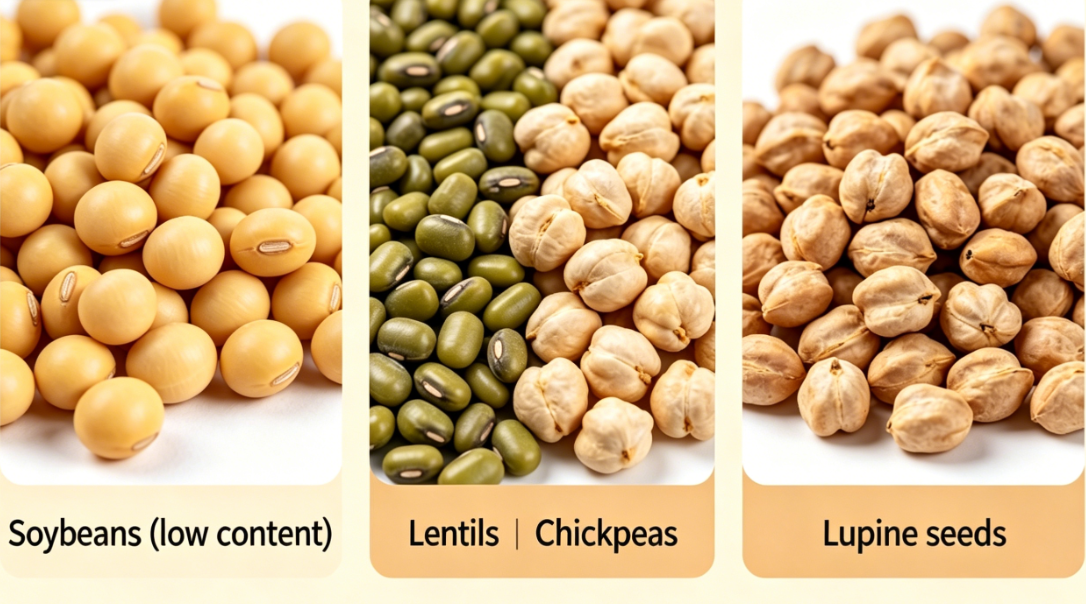
For commercial production, manufacturers typically extract Stachyose from Stachys tubers or Sesbania seeds to achieve high purity levels (often 80–99%).
Physical and Chemical Properties
| Property | Description |
|---|---|
| Appearance | White to off-white fine powder |
| Taste | Mildly sweet (approximately 22–28% the sweetness of sucrose) |
| Solubility | Highly water-soluble (approx. 14 g/100 mL at 25°C) |
| Thermal stability | Stable up to 140°C (284°F) |
| pH stability | Stable in acidic environments (pH 3–8) |
| Caloric value | Approximately 1.0–1.5 kcal/g |
These properties make Stachyose exceptionally versatile for food and beverage manufacturing.
Health Benefits and Commercial Applications
Key Health Benefits of Stachyose
1. Highly Selective Prebiotic Activity (The "Bifidus Factor")
Stachyose is one of the most selective prebiotics available. It preferentially stimulates the growth of Bifidobacterium species — beneficial bacteria associated with strong immunity, regular bowel movements, and reduced inflammation.
Unlike some prebiotics that feed a wide range of bacteria (including potentially harmful strains), Stachyose remains highly targeted. Research shows that Stachyose is consumed more rapidly by bifidobacteria than either FOS or inulin.

2. Relief from Constipation and Irregularity
By drawing water into the intestinal lumen (osmotic effect) and increasing stool bulk, Stachyose softens hardened stools. Simultaneously, the short-chain fatty acids produced during fermentation stimulate natural peristalsis (the wave-like muscle contractions that move waste through the colon).
Multiple human trials have demonstrated:
-
Increased stool frequency
-
Improved stool consistency
-
Reduced straining and discomfort
-
3. Improved Mineral Absorption
The fermentation of Stachyose lowers colonic pH. This acidic environment converts calcium, magnesium, and iron into more soluble, absorbable forms. Studies suggest regular Stachyose intake can improve calcium absorption by 15–20%, which is particularly relevant for postmenopausal women and older adults.
4. Liver Protection and Detoxification Support
Stachyose reduces the production and absorption of endotoxins such as lipopolysaccharides (LPS) from gram-negative bacteria. By lowering blood ammonia levels and reducing the toxic load reaching the liver, Stachyose may help protect against non-alcoholic fatty liver disease (NAFLD) and other liver conditions.
5. Blood Sugar and Lipid Management
Although Stachyose is technically a carbohydrate, it does not raise blood glucose because humans cannot digest it. In fact, it may slow the absorption of glucose from other foods. Clinical observations also indicate reductions in:
-
Fasting blood glucose
-
Total cholesterol
-
Triglycerides
-
Low-density lipoprotein (LDL or "bad" cholesterol)
-