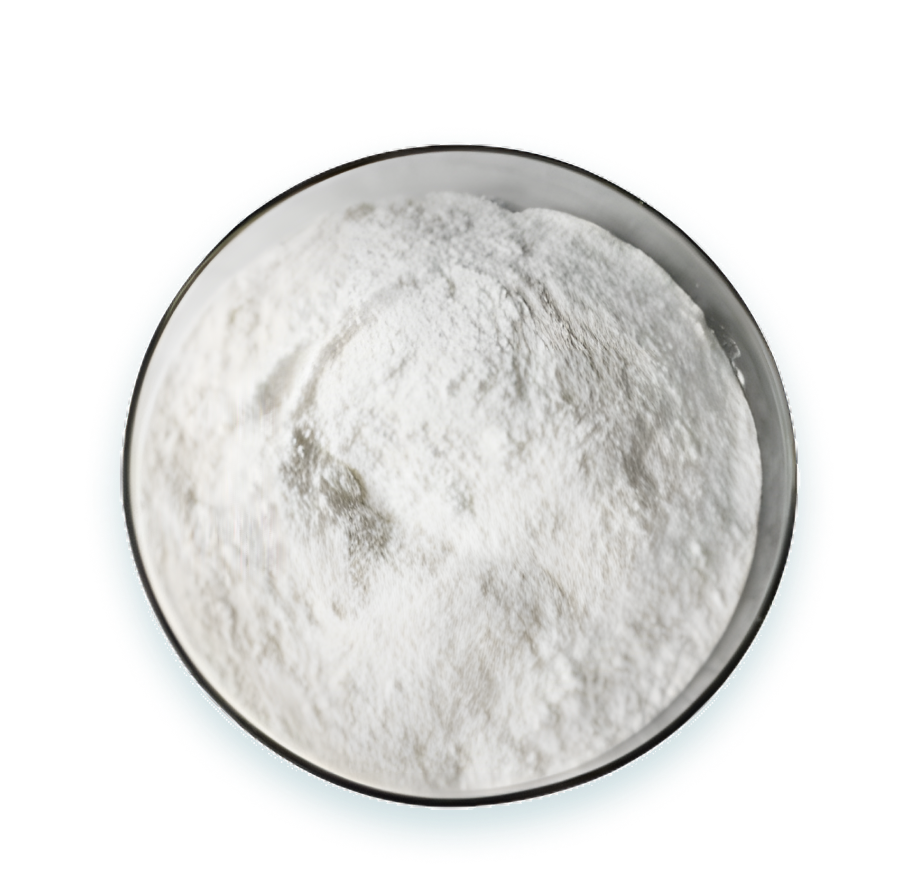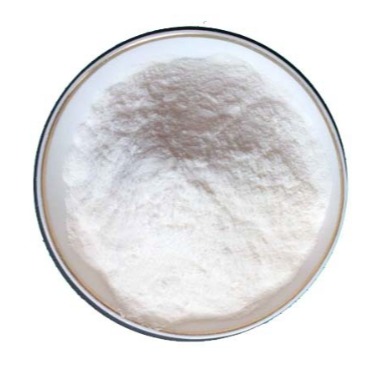







Apigenin
A large number of studies at home and abroad have found that apigenin has a variety of biological activities such as anti-tumor, cardiovascular and cerebrovascular protection, anti-virus, antibacterial and so on.
Apigenin is a naturally occurring flavonoid compound in the form of phytoalexin found in a variety of plants, mainly derived from the umbelliferae plant dry cress, and also found in other plants such as chamomile, honeybush, perilla, verbena, and yarrow.
Plant origin:
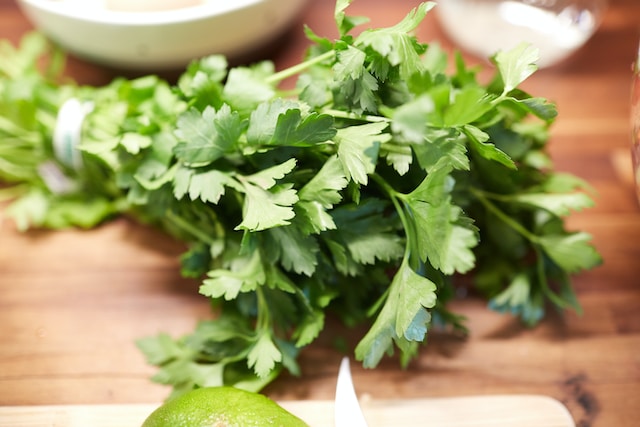
Apigenin is found in many fruits and vegetables, but parsley, celery, celeriac, and chamomile tea are the most common sources.Apigenin is particularly abundant in the flowers of chamomile plants, constituting 68% of total flavonoids.Dried parsley can contain about 45 mg apigenin/gram of the herb, and dried chamomile flower about 3–5 mg/gram.The apigenin content of fresh parsley is reportedly 215.5 mg/100 grams, which is much higher than the next highest food source, green celery hearts providing 19.1 mg/100 grams

Apigenin is a natural antioxidant, which has the effect of lowering blood pressure and dilating blood vessels, preventing atherosclerosis, and inhibiting tumors. Compared with other flavonoids (quercetin, kaempferol flavonoids), it has the characteristics of low toxicity and non-mutagenicity. At present, apigenin has some applications in medicine, food and other industries. However, the poor water solubility and low intestinal absorption of apigenin have led to its low oral bioavailability and low in vivo activity and limited its application to some extent.
Apigenin has carcinogenic activity as an inhibitor of carcinogens; as an antiviral drug for the treatment of HIV and other viral infections; as an inhibitor of MAP kinase; for the treatment of various inflammatory diseases; as an antioxidant; as a sedative and tranquilizer; and as an antihypertensive. It is characterized by low toxicity and non-mutagenicity compared with other flavonoids (quercetin, kaempferol flavonoids).