

Is folate the same as folic acid
What is Folic Acid?
Folic acid, also known as vitamin B9 or folacin, is the synthetic, water-soluble form of folate used in dietary supplements and fortified foods1. This essential nutrient plays critical roles in:
-
DNA synthesis and repair
-
Red blood cell formation
-
Cell division and growth
-
Amino acid metabolism
-
Neural tube development in fetuses
The body converts folic acid into its active form, tetrahydrofolic acid (THF), which serves as a coenzyme in numerous metabolic processes1. Unlike fat-soluble vitamins that can be stored in the body, folic acid is water-soluble, meaning excess amounts are excreted through urine and regular intake is necessary to maintain adequate levels.
For international supplement traders, it's important to note that since 1998, many countries have mandated folic acid fortification of staple foods like breads, cereals, flours, cornmeal, pastas, and rice to help prevent deficiencies1. This regulatory requirement creates consistent demand in the global market.
What is Folic Acid Good For?
Folic acid offers numerous scientifically-validated health benefits that make it a valuable supplement for diverse populations:
1. Pregnancy and Fetal Development
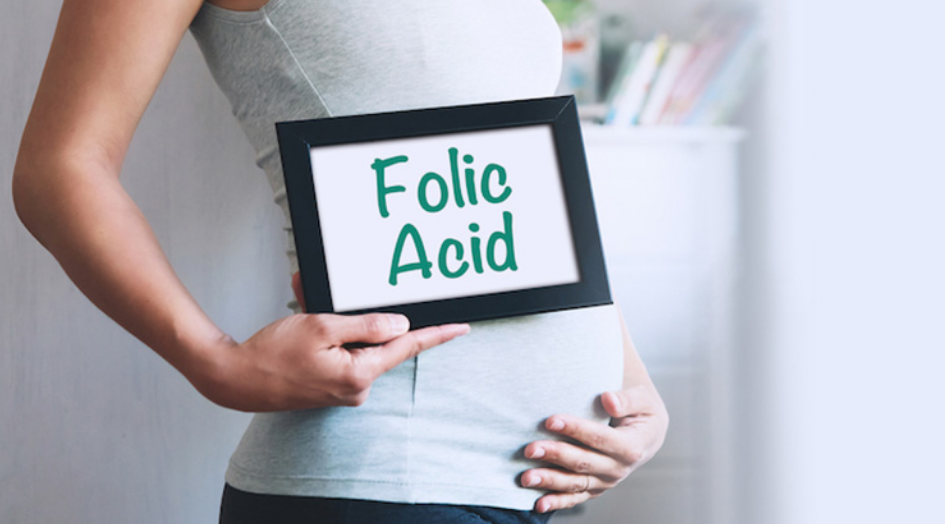
Perhaps the most well-established benefit is its role in preventing neural tube defects (NTDs) like spina bifida in developing fetuses. Medical authorities recommend women of childbearing age consume at least 400 mcg daily, starting at least one month before conception17. Studies show adequate folic acid intake reduces NTD risk by 50-70%.
2. Cardiovascular Health
Folic acid helps lower homocysteine levels, an amino acid associated with increased stroke and heart disease risk when elevated12. Research indicates folic acid supplementation, alone or with other B vitamins, can reduce stroke incidence1.
3. Blood Health
Folic acid is essential for red blood cell formation. Deficiency leads to macrocytic anemia, where red blood cells become abnormally large and inefficient1. This makes it valuable in hematinic formulations often combined with iron and vitamin B12.
4. Potential Cancer Prevention
Emerging research suggests folic acid may help prevent tumor development, particularly in colorectal cancer2. It appears crucial for preventing precancerous polyps in the colon.
5. Cognitive Function
Adequate folic acid levels are associated with reduced risks of cognitive decline, Alzheimer's disease, and age-related macular degeneration.
For supplement manufacturers and traders, these diverse benefits translate to multiple market opportunities - from prenatal vitamins to cardiovascular support formulas and general wellness supplements.
What Foods Have Folic Acid?
Understanding natural folic acid sources is valuable for creating balanced supplement formulas or marketing naturally-fortified products. Here are the richest food sources:
Animal-Based Sources:
-
Liver (veal/beef): 331 mcg per 100g
-
Eggs: 67 mcg per 100g
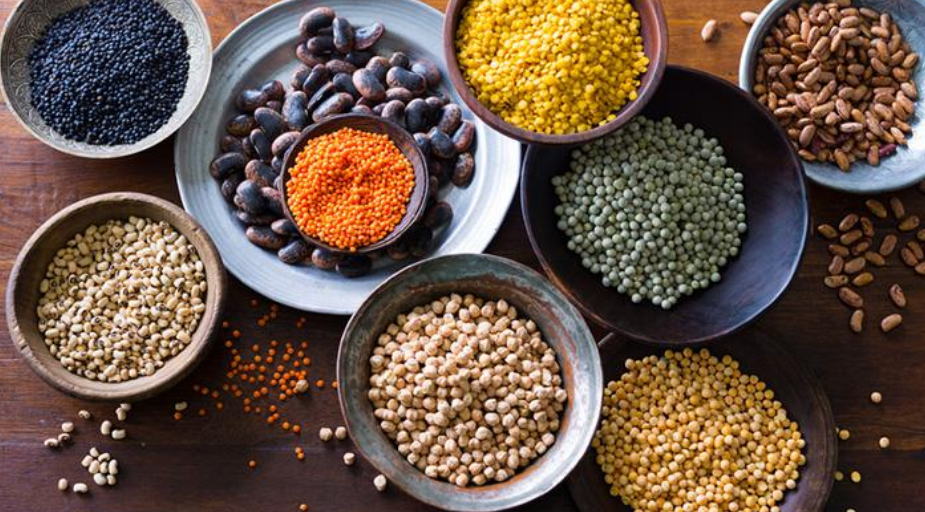
Legumes and Beans:
-
Soybeans: 375 mcg per 100g
-
Lentils: 180 mcg per 100g
-
Black beans: 656 mcg per 100g
-
Chickpeas: 25-171 mcg per 100g (varies by preparation)
-