Inflammation Buster - Bromelain

2024-10-25
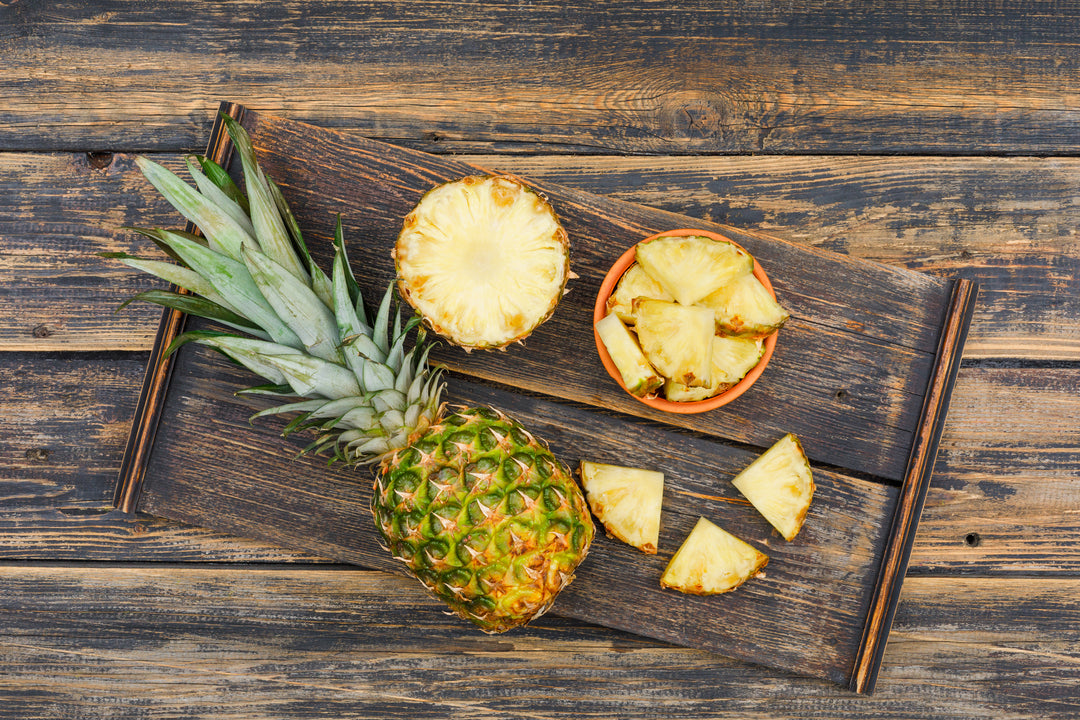
Bromelain is a protein hydrolyzing enzyme present in the pineapple plant and is widely found in pineapple fruits, buds, leaves and stems. As early as 1957, it was discovered that bromelain could be used as a therapeutic ingredient. As early as 1891, it was suggested that pineapple juice contained proteases. Subsequently, a series of studies were conducted on pineapple protease, and it was found that these proteases are not a single component, but are composed of a variety of enzyme systems with different molecular weights and molecular structures. In addition to the protein hydrolase system, some of them contain phosphodiesterases, peroxidases, cellulases, other glycosidases, and non-protein substances. Bromelain is stable in nature and can enzymatically dissolve the protein in feed into small molecular peptides that can be easily absorbed, improving the feed conversion rate. It is also one of the alternatives to antibiotics, and its applications in anti-inflammatory, anti-diarrhea, and improving meat quality are widely used.
What is bromelain
In recent years, in addition to its application in medicine, pineapple protease has a wide range of uses in the fields of chemical industry and food. It is used in the production of cheese, gelatin and hydrolyzed protein in the biochemical industry; and as a food additive in the food industry, it can tenderize meat and clarify beer.
1. Inhibit the growth of tumor cells

It has been observed in relevant clinical studies that pineapple protease can inhibit the growth of tumor cells.
 

2. Prevention and treatment of cardiovascular diseases

Bromelain as a protein hydrolyzing enzyme is beneficial to the prevention and treatment of cardiovascular diseases. It can inhibit stroke caused by platelet aggregation, relieve angina symptoms, ease arterial constriction and accelerate the decomposition of fibrinogen.
 

3. Used for burn scab removal

Bromelain can selectively remove the skin, so that the new skin transplantation can be carried out as early as possible. Animal experiments have demonstrated that bromelain has no adverse effect on adjacent normal skin. Topical use of antibiotics does not affect the effect of Bromelain.

Bromelain benefits
Bromelain
4. Anti-inflammatory effect

Bromelain is effective in removing inflammation and edema in a variety of tissues (including thrombophlebitis, skeletal muscle injuries, hematomas, stomatitis, diabetic ulcers, and sports injuries), and bromelain has the potential to activate the inflammatory response. Bromelain also relieves diarrhea.

5. Enhance nutrient and drug absorption

Bromelain and a variety of antibiotics (such as tetracycline, amoxicillin, etc.) combined to improve its efficacy
 

6. Anti-gout

Bromelain can inhibit the production of uric acid, dissolve uric acid stones, similar to Allopurino (allopurinol - clinically used in the treatment of gout) effect.
 

7. Promote skin metabolism

Pineapple protease can play a role in the human skin on the aging stratum corneum, prompting its degradation, decomposition, removal, promote skin metabolism, reduce the skin color caused by sun exposure to the phenomenon of deep.

Bromelain is an excellent dietary supplement to aid digestion and promote a healthy inflammatory response. If you already include bromelain-rich foods in your diet (such as pineapple or pineapple juice) but need a little extra support, supplements can make a difference. Talk to your healthcare provider to find out if a bromelain-containing supplement is right for you and what dose you should take. Remember, supplements are not a substitute for healthy habits - they can enhance them! To get the most out of your bromelain supplement, combine it with a nutrient-dense diet, adequate hydration, physical activity, and plenty of sleep.