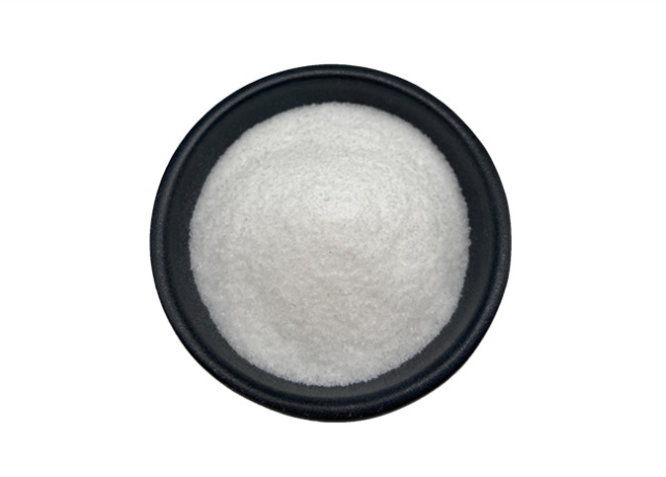


Glutamine - an important nutritional supplement for the human body
Glutamine is a conditionally essential amino acid. Under normal circumstances, the body can synthesize glutamine in sufficient quantities, but in some diseases (e.g., tumors, burns, gastrointestinal disorders), and postoperative stress, the glutamine that the body can synthesize to ensure replenishment becomes insufficient or cannot be synthesized, and needs to be replenished from outside.
Glutamine is a conditionally essential amino acid, under normal circumstances the body can synthesize glutamine in sufficient quantity, but in some diseases (such as tumors, burns, digestive diseases), postoperative stress, the original body can synthesize glutamine to ensure replenishment will become insufficient or unable to synthesize, and need to be supplemented from outside.
L-glutamine is the natural form of glutamine, and the two names are often used interchangeably.
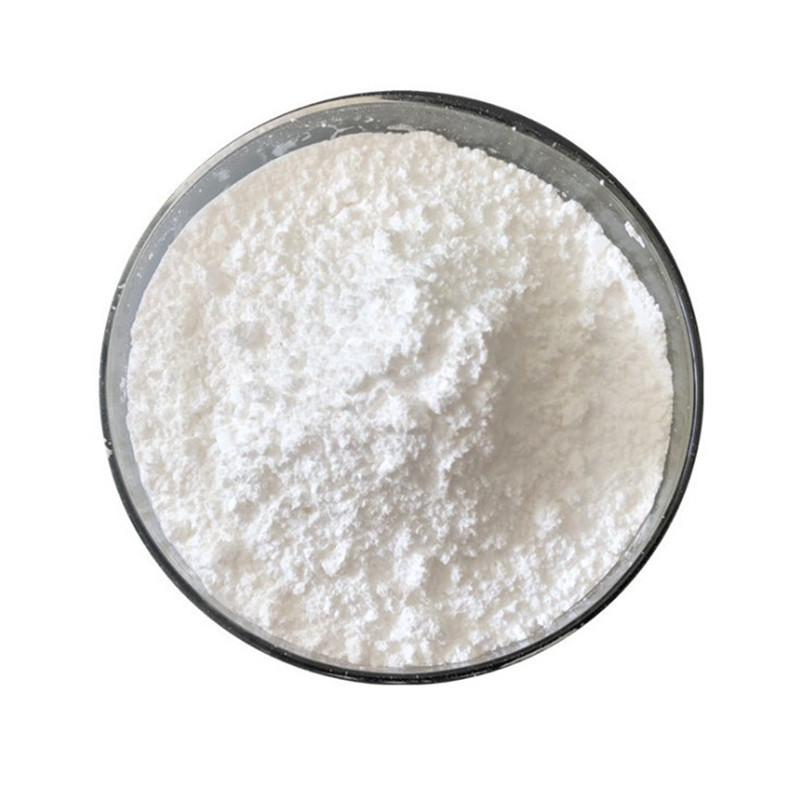
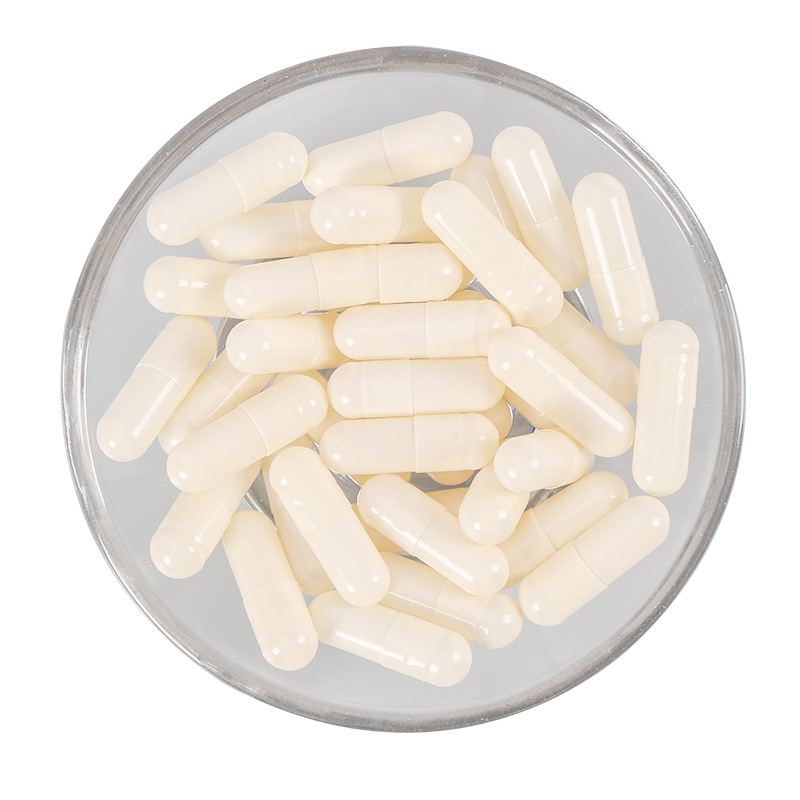
1.Accelerates recovery from gastrointestinal problems.
Glutamine is one of the most important components of the intestinal connective tissue and is the most important amino acid in the intestinal gland.
Glutamine has the effect of maintaining the state of intestinal mucosa, inhibiting intestinal hyperpermeability, effectively preventing intestinal mucosal atrophy, and improving intestinal immune function.
As a major structural component of the digestive tract, glutamine is the basic energy source for the luminal cells of the gastrointestinal tract, which can reduce the occurrence of intestinal bacterial translocation, inhibit the release of inflammatory mediators, and reduce the degree of stress response of the body.
Glutamine is the most abundant free amino acid in muscle, accounting for about 60% of the total free amino acids in the human body.
Glutamine, like nutrients, can provide a source of energy for the body's rapid differentiation and growth of cells, promote protein synthesis in muscle cells, and grow muscle.
Glutamine is an important fuel for the immune system. It supports the immune system during flu or cold, strengthens nutritional support, improves the body's metabolic nitrogen balance, promotes protein synthesis, and increases the function of the total number of lymphocytes.
Glutamine is involved in the synthesis of glutathione, which is an important antioxidant. Glutamine supplementation can improve the body's antioxidant capacity and stabilize the cell membrane and protein structure by maintaining and increasing the glutamine reserves in tissue cells.
There is a positive connection between the gut and the brain [gut-brain axis], and repairing the health of the gut has a positive effect on brain health.