

α-Glucosyl Hesperidin: Let Citrus Flavonoids Be the Star of Your Next Beverage
Our answer: let citrus flavonoids take the starring role in your formula. Backed by familiar citrus origin, water solubility improved via enzymatic modification, and human study results on blood flow and skin temperature recovery, these elements together build solid ingredient selling points for nutritional beverages.
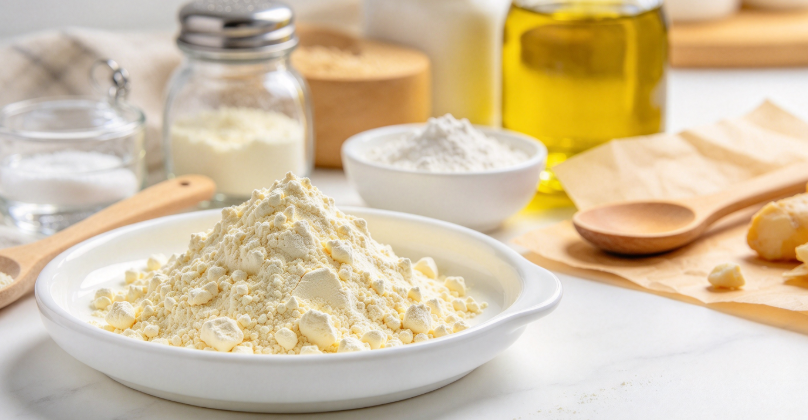
To turn this concept into a ready-to-drink beverage, raw material selection comes first. Hesperidin, a representative flavonoid in citrus, suffers from poor water solubility. α-Glucosyl Hesperidin, modified by enzymatic glycosylation, solves this application bottleneck through raw material upgrading.
From bottled citrus nutritional drinks and portable sachet powders, to tea & fruity botanical complex formulas, our α-Glucosyl Hesperidin offers brands a solution balancing active ingredient value and multi-formulation development.
01|Improve flavonoid water solubility to expand product possibilities
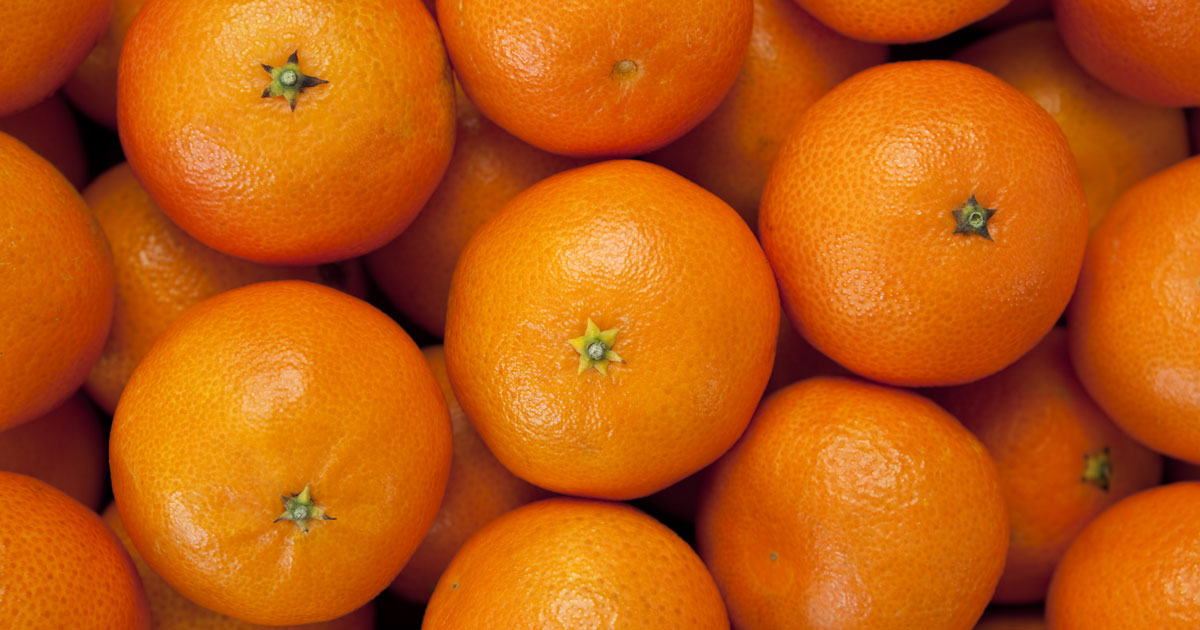
Hesperidin is a typical flavonoid glycoside abundant in citrus peels, with years of research accumulation. However, its low water solubility has long limited its application in aqueous systems [1].
For R&D teams, water solubility is a practical concern. The performance of raw materials in water directly determines dosage forms and formula design. For beverages, color, taste and processing technology must also be balanced.
The core advantage of α-Glucosyl Hesperidin is clear: glycosylation enhances hesperidin’s water solubility, making citrus flavonoids suitable for aqueous product development.
This modification greatly expands product design space. Ready-to-drink beverages focus on instant consumption, portable sachets support on-the-go mixing, and botanical blends feature multi-ingredient combinations. All these forms require raw materials that dissolve well in water. Brands selecting this application-optimized flavonoid lay a solid raw material foundation for diverse product formats.
02|We select glycosylated flavonoids for tangible benefits of technical modification
α-Glucosyl Hesperidin is a derivative produced by attaching glucose groups to native hesperidin.
Hesperidin itself has a glycoside structure. The “glucosyl group” refers to extra sugar units enzymatically bonded to the molecule. Cyclodextrin glucanotransferase (CGTase) can catalyze transglycosylation reactions to generate monoglucosyl and other glycosylated products .
Glycosylation changes molecular interaction with water. In 1994, Kometani et al. adopted this route and isolated hesperidin monoglucoside and diglucoside. The water solubility of both samples was approximately 300 times that of native hesperidin
Natural flavonoid → Enzymatic glycosylation → Improved water solubility. Modification at molecular level unlocks more product formats.
Optimizing raw material hydration from molecular structure is the core value of enzymatic glycosylation. It opens a clear path for commercialization of natural flavonoids: further optimizing application performance based on existing ingredient research.
We invest in glycosylated flavonoids because we recognize this R&D logic of “modify molecules and expand application scenarios”. From α-Glucosyl Hesperidin to α-Glucosyl Rutin, we focus on how technology improves raw material usability and helps brands deploy active ingredients better in beverages and powder mixes.

03|Human Study: Promote fingertip blood flow and skin temperature recovery after cold stimulation
Another highlight of α-Glucosyl Hesperidin comes from targeted human research: supporting recovery of fingertip blood flow and skin temperature after cold exposure. Notably, the study used beverage directly as the delivery vehicle.
In 2020, raw material supplier Hayashibara conducted a randomized, double-blind, placebo-controlled crossover trial. α-Glucosyl Hesperidin was added to orange-flavored aqueous drink to observe recovery performance of healthy adults’ hands after cold water immersion .
24 subjects were enrolled, and valid data from 18 participants were analyzed. Subjects immersed their hands in 15℃ cold water for 5 minutes. Fingertip skin blood flow and temperature were continuously monitored.
Results showed that compared with the placebo group, subjects consuming the test drink had significantly higher fingertip skin blood flow at 5, 10, 20 and 30 minutes after cold stimulation; significantly higher skin temperature was observed at 20 and 30 minutes .
This study confirms beverages containing α-Glucosyl Hesperidin help accelerate recovery of fingertip blood circulation and skin temperature after cold exposure. From ingestion to physiological changes, the research provides concrete experimental evidence .
For consumers with cold hands in winter or air-conditioned rooms who prefer warming drinks, “warmth” is a tangible demand. Supported by human studies on peripheral blood flow and skin temperature recovery plus excellent water solubility, brands can build a distinctive product story: combining citrus flavonoids, aqueous formulations and research on peripheral circulation. Formulas are backed by raw material properties, ingredient claims supported by scientific literature, and clear indicators for subsequent product validation.
04|One key raw material, three beverage innovation directions
How can brands build new products with α-Glucosyl Hesperidin? We recommend three development routes.
Citrus Nutritional Beverages
Align flavor and active ingredients under one story. Leverage orange and grapefruit notes for strong sensory memory, take citrus flavonoids as nutritional core, supported by enzymatic modification and human research. Consumers are familiar with citrus taste; brands can turn this natural recognition into a complete product narrative.
Portable Sachet Powders
Pack citrus flavonoids into single-serve sticks. Water bottles in offices and travel bags are typical usage scenarios. The solubility-optimized flavonoid fits powder formulas perfectly. Raw material advantages match the “instant dissolve in water” concept, creating daily wellness drinks.
Botanical Complex Beverages
Blend tea aroma, fruit flavor and flavonoids. Build sensory identity with tea and fruit notes, enrich active composition with α-Glucosyl Hesperidin, and customize formulas for target audiences. For brands seeking unique botanical actives, glycosylated flavonoids combine natural citrus origin and enzymatic modification features.
From ready-to-drink liquids to instant powders, from single citrus theme to botanical blends, one signature raw material enables diversified product expressions. We assist with dosage level, acidity system and processing technology for formula trials, delivering compelling ingredient value alongside pleasant drinking experience.
05|Develop your next flavonoid beverage
We supply α-Glucosyl Hesperidin, and our portfolio also includes α-Glucosyl Rutin and other specialty glycosylated flavonoid active ingredients [3].
Reasons to select this raw material are straightforward: natural citrus flavonoid source, high water solubility from enzymatic modification, human clinical studies based on beverage matrix, and stable commercial specifications. For brands hunting unique active ingredients, these form a solid starting point for formula development.
We have added α-Glucosyl Hesperidin and α-Glucosyl Rutin to our product portfolio, aiming to bring these application-optimized flavonoids to more brands and R&D teams.
Looking for innovative signature ingredients for beverages? Contact us for product datasheet and specification of α-Glucosyl Hesperidin. Whether you are developing citrus nutritional drinks, portable instant powders or botanical complex formulas, share your product positioning and raw material requirements, and start your formula development journey with the right ingredient.