


Lipase Your Key to Efficient Fat Hydrolysis
Lipase: The Master “Fat‑Splitter” of Life
What Is Lipase?
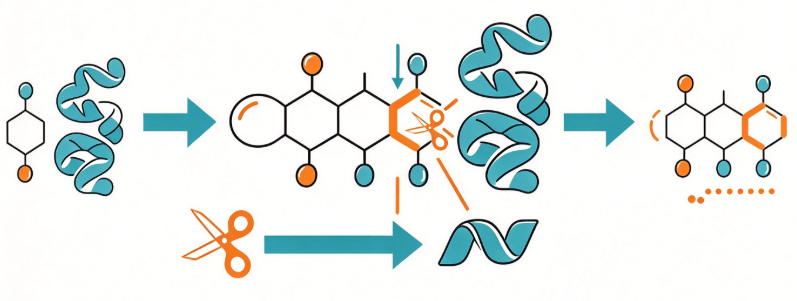
Lipase (EC 3.1.1.3) is a class of hydrolase enzymes that catalyze the hydrolysis of ester bonds in lipids, primarily triglycerides. Its systematic name is triacylglycerol acylhydrolase. Chemically, lipase cleaves the ester linkages connecting fatty acid chains to the glycerol backbone, progressively releasing free fatty acids and glycerol. The overall reaction can be summarized as follows:
Diglyceride + H₂O → Monoglyceride + Fatty Acid
Monoglyceride + H₂O → Glycerol + Fatty Acid
Unlike many enzymes that act in aqueous solution, lipases are unique in that they exhibit “interfacial activation” — they become fully active only when adsorbed onto the surface of lipid droplets, where the concentration of substrate is extremely high. This property makes them highly efficient at breaking down water‑insoluble fats in biological systems.
Lipases are ubiquitous in nature. They are found in animals (pancreatic lipase, hepatic lipase, lipoprotein lipase, hormone‑sensitive lipase), plants (seed lipases involved in germination), and microorganisms (bacterial and fungal lipases such as those from Candida rugosa, Thermomyces lanuginosus, and Rhizomucor miehei). The diversity of sources gives rise to a wide range of enzymatic properties — different optimal temperatures, pH ranges, substrate specificities, and stability profiles — making lipases versatile tools for both biological research and industrial applications.
Biological Functions and Health Benefits
1. Digestive Role
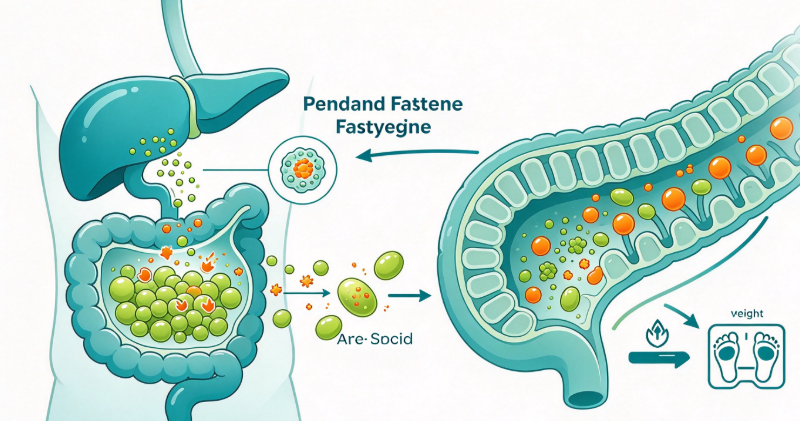
In the human digestive system, pancreatic lipase is the principal enzyme responsible for breaking down dietary fats. Secreted by the pancreas into the small intestine, it works in concert with bile salts, which emulsify large fat globules into smaller droplets, dramatically increasing the surface area available for lipase to act upon. Without adequate lipase activity, the body cannot efficiently absorb fat‑soluble vitamins (A, D, E, and K) or essential fatty acids, leading to conditions such as steatorrhea (fatty stool), malnutrition, and weight loss.
2. Metabolic Regulation
Beyond digestion, lipases are central to lipid metabolism. Lipoprotein lipase (LPL), anchored on the inner surface of blood capillaries, hydrolyzes triglycerides circulating in chylomicrons and VLDL particles, releasing fatty acids for uptake by muscle and adipose tissue. Hormone‑sensitive lipase (HSL) mobilizes stored fat from adipocytes during fasting or exercise, liberating fatty acids as an energy source. Hepatic lipase plays a role in HDL metabolism and cholesterol transport. Together, these enzymes maintain the delicate balance between fat storage and fat burning.
3. Cellular and Signaling Functions
Within cells, lysosomal acid lipase degrades lipids delivered to lysosomes, while adipose triglyceride lipase (ATGL) initiates lipolysis in lipid droplets. Lipases also participate in signaling pathways — for example, endothelial lipase influences HDL levels, and phospholipases (a related family) generate lipid second messengers involved in inflammation and immune responses.
4. Clinical Significance
Abnormal lipase levels are clinically meaningful. Elevated serum lipase is a key diagnostic marker for acute pancreatitis. Lipase replacement therapy is used to treat exocrine pancreatic insufficiency caused by chronic pancreatitis, cystic fibrosis, or pancreatic surgery. In rare genetic disorders such as lipoprotein lipase deficiency, impaired enzyme function leads to severe hypertriglyceridemia.
Industrial and Commercial Applications
1. Food Industry
Lipases are widely used to modify fats and oils, improving both functionality and flavor:
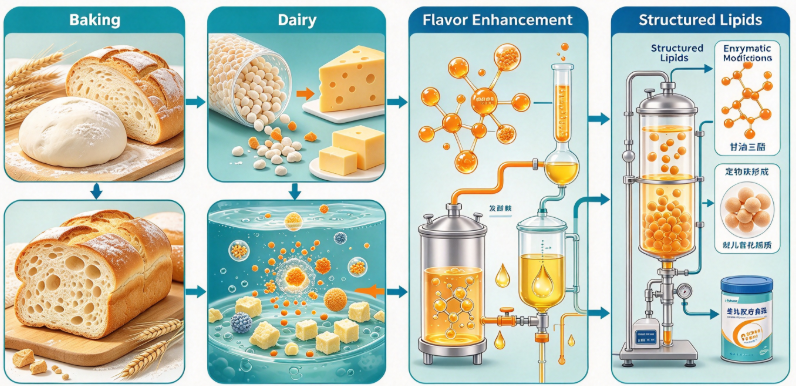
- Baking: Lipases improve dough handling, increase bread volume, and extend shelf life by modifying polar lipids in flour. They can partially replace chemical emulsifiers, meeting consumer demand for clean‑label products.
- Dairy: In cheese production, lipases accelerate fat breakdown, contributing to the characteristic sharp, pungent flavors of Italian cheeses such as Parmesan and Romano. In butter and cream, controlled lipolysis generates desirable flavor notes.
- Flavor Enhancement: Lipases are used to produce natural flavor compounds, such as short‑chain fatty acids and esters, for use in processed foods and beverages.
- Structured Lipids: Enzymatic interesterification using lipases produces structured triglycerides with tailored nutritional properties, such as human milk fat substitutes for infant formula.
2. Detergent Industry
Lipases are among the most important enzymes in modern laundry and dishwashing detergents. They hydrolyze triglyceride‑based stains — such as cooking oil, butter, and sebum — into water‑soluble fatty acids and glycerol, which are then easily rinsed away. Key advantages include:
- Effective at low temperatures (30–40°C), reducing energy consumption.
- Compatible with other detergent enzymes (proteases, amylases, cellulases).
- Biodegradable and environmentally friendly, replacing harsh chemical surfactants.
3. Bioenergy and Green Chemistry
Lipases catalyze the transesterification of triglycerides with alcohols to produce biodiesel, offering a milder, more environmentally friendly alternative to chemical catalysis. Enzymatic biodiesel production has several benefits:
- Operates under mild conditions (30–50°C, near‑neutral pH).
- Avoids soap formation associated with alkaline catalysts.
- Simplifies glycerol recovery and reduces wastewater treatment costs.
- Enables the use of low‑quality feedstocks, such as waste cooking oil and animal fats.
Lipases are also employed in the synthesis of biolubricants, bioplastics, and other bio‑based chemicals, supporting the transition to a circular economy.
4. Pharmaceutical and Diagnostic Applications
- Enzyme Replacement Therapy: Pancreatic lipase preparations (often combined with proteases and amylases) are prescribed for patients with pancreatic insufficiency.
- Diagnostics: Lipase assays are routine in clinical laboratories for diagnosing pancreatitis and other pancreatic disorders.
- Drug Delivery: Lipases are explored as triggers for liposomal drug release systems, exploiting their ability to degrade lipid bilayers.
- Anti‑obesity Research: Lipase inhibitors (such as orlistat) are used to reduce dietary fat absorption, and research continues into safer and more effective lipase‑modulating drugs.
5. Leather, Textile, and Pulp Industries
- Leather Processing: Lipases degrease hides and skins, removing natural fats that interfere with tanning and dyeing, resulting in softer, higher‑quality leather with reduced chemical use.
- Textiles: Lipases improve fabric wettability and dye uptake by removing natural oils and waxes from fibers.
- Pulp and Paper: Lipases help control pitch deposits (resinous materials) in paper manufacturing, reducing equipment fouling and improving product quality.
6. Bioremediation and Waste Management
Lipases can degrade oil and grease contaminants in wastewater and soil, making them valuable for environmental cleanup. They are used in grease traps, drain cleaners, and composting systems to accelerate the breakdown of fats, oils, and greases (FOGs). In bioremediation, lipase‑producing microorganisms are employed to treat oil spills and industrial effluents.
7. Cosmetics and Personal Care
In cosmetics, lipases are incorporated into skin care products for their exfoliating and sebum‑regulating properties. They can gently remove dead skin cells and excess oil, making them suitable for acne‑prone or oily skin formulations. Lipases also find use in hair care products to remove sebum buildup and in deodorants to break down odor‑causing fatty acids.
8. Research and Biotechnology
- Enantioselective Synthesis: Lipases exhibit high stereoselectivity, making them valuable for producing chiral pharmaceuticals, agrochemicals, and flavor compounds.
- Protein Engineering: Directed evolution and rational design have produced lipase variants with enhanced thermostability, altered substrate specificity, and improved activity in non‑aqueous media.
- Immobilization: Immobilized lipases on solid supports enable continuous flow processes and easy recovery, enhancing industrial feasibility.
Market Outlook
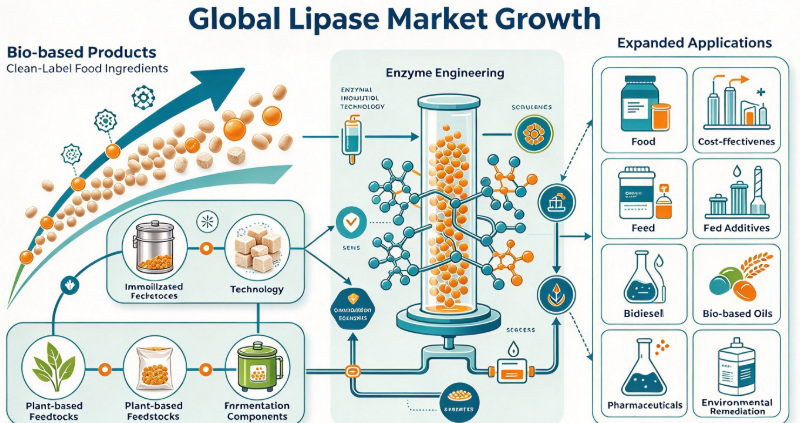
The global lipase market is projected to grow steadily, driven by increasing demand for bio‑based products, clean‑label food ingredients, and sustainable industrial processes. Technological advances in enzyme engineering, formulation, and immobilization are expected to expand the range of applications and improve cost‑effectiveness.
About Ruizelin
Ruizelin specializes in the research, development, and application of enzyme preparations, providing high‑quality lipase products and tailored solutions for food, detergent, pharmaceutical, bioenergy, and other industries. With a commitment to innovation and sustainability, Ruizelin supports customers in achieving efficient, eco‑friendly production.
To learn more, please visit our official website:


