

Glutathione: A Versatile Ingredient for Pharma, Cosmetics & Food
Glutathione: The Master Antioxidant Tripeptide
What Is Glutathione Tripeptide
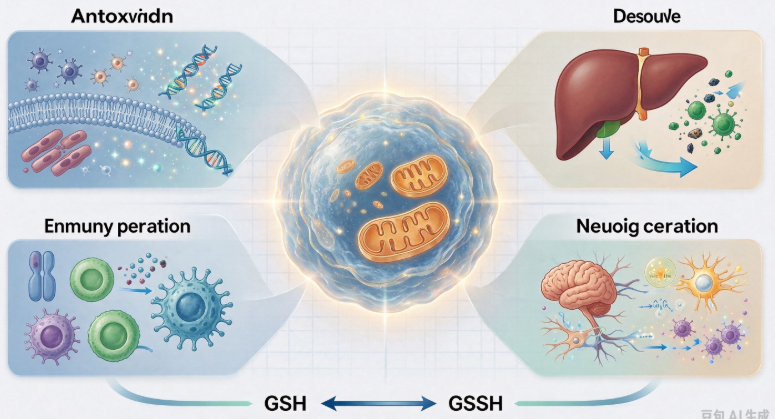
Glutathione is a biologically active tripeptide composed of glutamic acid, cysteine and glycine. Its bioactivity mainly comes from the reactive thiol group (-SH). Under physiological conditions, over 95% exists in reduced form (GSH), while only a small portion is oxidized glutathione (GSSG). The two forms can be converted into each other with the help of glutathione reductase to maintain cellular redox homeostasis.
Core Physiological Functions Four Pillars
The thiol group of glutathione scavenges free radicals such as superoxide anions and hydroxyl radicals. It protects cell membranes, proteins and DNA from oxidative attacks. Through the glutathione redox cycle, GSH can be continuously regenerated, slowing cell ageing and lowering risks of chronic diseases triggered by oxidative stress.
Glutathione plays a vital detox role in the liver. It binds with exogenous toxins including drugs, heavy metals and chemical pollutants, as well as harmful endogenous metabolites. Catalyzed by glutathione S-transferase, the complexes turn water-soluble and get excreted. It can chelate lead, mercury and arsenic, supporting clinical treatment for poisoning cases.
Glutathione maintains a stable antioxidant environment inside immune cells like T cells, B cells and macrophages to avoid oxidative damage. Insufficient glutathione suppresses immune cell proliferation, differentiation and cytokine secretion. It also modulates signalling pathways such as NF-κB to enhance the body's ability to recognize and clear pathogens.
A clinical trial led by Baylor College of Medicine explores glutathione precursors for Alzheimer's disease. This 24-week randomized controlled trial enrolls patients aged 55–85. It evaluates glycine and N-acetylcysteine on cognition, glutathione levels, oxidative stress, brain glucose uptake, neuroinflammation and insulin resistance. The research aims to provide evidence for glutathione's neurological application.
Improved Bioavailability with Advanced Delivery Liposomal Technology
Modern delivery systems greatly boost glutathione absorption. Liposomal glutathione uses phospholipid vesicles similar to cell membranes. The liposome shell protects glutathione from degradation in the gastrointestinal tract. After absorption, glutathione can transfer from plasma into tissues and cross the blood-brain barrier, reaching high concentrations in the liver, kidney and brain for tissue protection.
Latest Regulatory Progress Worldwide 2024–2025
China accepted the new food raw material application for glutathione-rich yeast powder. The review finished in January 2025, allowing glutathione-enriched yeast to be added into common food. It is fermented from Saccharomyces cerevisiae, containing protein, glutathione, amino acids and minerals, complying with GB/T20886.2-2021.
The EU planned to approve S-acetyl glutathione as a novel food. According to EFSA document PC-1620, it targets teenagers above 10 years old and adults, used in food supplements and special medical foods. The maximum daily dosage is set at 300 mg.
Global Market Outlook CAGR 6.5%
Statistics from QYR show the global glutathione market reached USD 98 million in 2024. It is projected to hit USD 134 million by 2031, with a CAGR of 6.5% from 2025 to 2031. North America holds the largest share at about 41%, and China ranks second, accounting for roughly 20%.
Expanding application scenarios, supportive policies and rising health awareness keep driving market growth. As a multi-functional raw material covering pharmaceuticals, cosmetics and functional food, glutathione has broad development prospects.

📌 Closing Remarks
Glutathione is far more than a beauty ingredient. Its redox chemistry underpins antioxidant defense, hepatic detoxification, immune balance and emerging neuroprotective research. With liposomal delivery improving bioavailability and regulators in China and the EU advancing clear frameworks, the tripeptide is entering a new phase of mainstream acceptance.
For inquiries about glutathione raw materials and formulation solutions, please visit our website: www.ruizelinbio.com