

Coenzyme Q10 Effects on the Heart From Cellular Energy to Cardiac Protection
Coenzyme Q10 Heart · Energy · Antioxidant
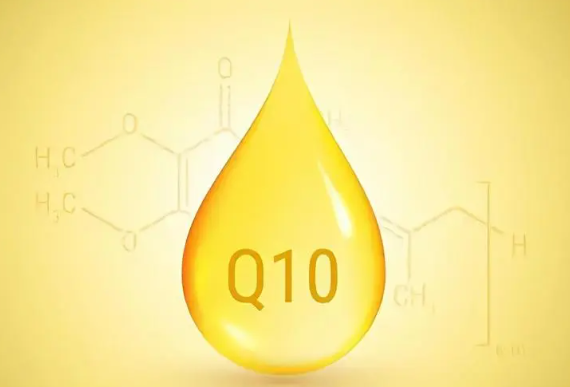
Coenzyme Q10 (CoQ10) is a fat-soluble quinone compound that the human body can synthesize on its own. It is especially abundant in the heart—CoQ10 concentration in heart tissue is as high as 132 μg/g, the highest among all organs. This high-concentration distribution is closely related to its core functions.
CoQ10 is a key cofactor in the mitochondrial electron transport chain and directly participates in the biosynthesis of ATP (adenosine triphosphate). The heart is a high-energy-consuming organ, and every contraction requires a large amount of energy. This is precisely why CoQ10 concentration is highest in the myocardium—it provides sustained energy support for myocardial contraction.
Clinical observations show that the lower the myocardial CoQ10 level in heart failure patients, the more severe the disease (the higher the NYHA class), and vice versa; the two are directly correlated.
CoQ10 is the body's only fat-soluble antioxidant. It can scavenge free radicals, protect cell membranes and mitochondrial DNA from oxidative damage, and maintain the structural integrity and functional stability of myocardial cells.
The Q-SYMBIO Trial—the Most Influential Study
This multicenter randomized controlled trial, which included 420 patients with moderate to severe heart failure, showed after 2 years of follow-up:
A randomized controlled trial published in 2025 (120 heart failure patients, 2×60 mg CoQ10 daily for 6 months) showed:
A 2017 meta-analysis of 14 randomized controlled trials (2149 patients) showed:
- 📉 All-cause mortality risk reduced by 31%
- 🏃 Significant improvement in exercise tolerance
- ❤️ Some improvement in left ventricular ejection fraction (LVEF)
- 🩸 Hypertension: Systematic reviews show that CoQ10 can reduce systolic blood pressure by an average of 11 mmHg and diastolic blood pressure by 7 mmHg
- 💪 Statin-associated muscle pain: Meta-analyses have found that CoQ10 supplementation can reduce muscle pain, weakness, cramps, and fatigue
- 🫀 Coronary heart disease: In combination with conventional treatment, it can be used as adjunctive therapy for ischemic heart disease
-
Overall safety is high:
In the dose range of 60–600 mg/day, it does not cause serious adverse reactions. Occasionally, mild side effects may occur, including: gastrointestinal discomfort (abdominal pain, nausea), central nervous system symptoms (dizziness, headache), rash, fatigue, etc.

Drug Interactions:
- 💊 May reduce the anticoagulant effect of warfarin and increase the risk of thrombosis; those taking anticoagulants should consult a doctor
- ⚠️ May interact with antihypertensive drugs and chemotherapy drugs
CoQ10 exerts cardioprotective effects by participating in energy production and scavenging free radicals in myocardial mitochondria. Clinical evidence shows that long-term CoQ10 supplementation can improve cardiac function and reduce the incidence of cardiovascular events and mortality, with clear benefits especially for heart failure patients. However, its effects are influenced by dosage form, dose, and individual differences, and a professional doctor should be consulted before use.
* This information is for educational purposes only.