


Bromelain: Nature's Health Miracle for Easier Digestion
1. What is Bromelain?
Bromelain is not a single compound, but a collective name for a group of proteolytic enzymes found in the pineapple plant (Ananas comosus). "Proteolytic" means it has the unique ability to break down protein molecules into their building blocks, peptides and amino acids.
There are two primary types of Bromelain, distinguished by their source within the plant:
-
Stem Bromelain: Extracted from the sturdy core or stem of the pineapple. This is the most common and commercially significant form, valued for its high enzymatic activity and stability. Over 95% of the Bromelain on the market is derived from the stem due to its higher yield and concentration.
-
Fruit Bromelain: Found in the juicy flesh of the pineapple fruit itself. While still active, it is present in lower concentrations and is less frequently used for commercial extraction.
-
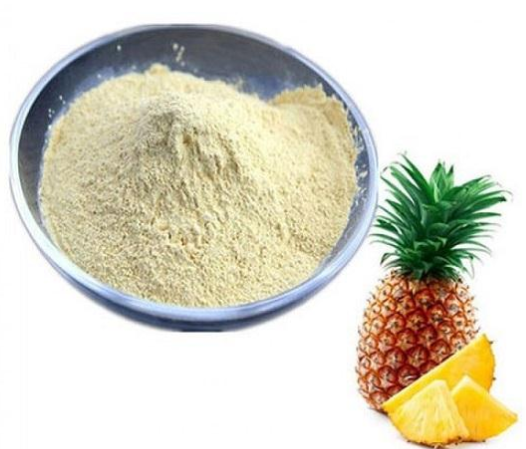
From a sourcing and manufacturing perspective, Bromelain is typically sold as a concentrated, off-white powder after being extracted and purified through processes like ultrafiltration and freeze-drying. Its potency is measured in GDU (Gelatin Digesting Units) or MCU (Milk Clotting Units), which are critical specifications for bulk buyers to verify.
2. How Much Bromelain is in Pineapple?
While all parts of the pineapple contain Bromelain, the concentration varies significantly. This is a crucial point for businesses considering direct sourcing versus purchasing standardized extracts.
-
Highest Concentration: The stem or core is the richest source, containing far more Bromelain per gram than the edible fruit. This is why the stem, often a by-product of pineapple processing, is the primary raw material for industrial Bromelain production.
-
Lower Concentration: The fruit flesh (the part we eat) contains a much smaller amount. The concentration is highest in unripe, green pineapples and decreases as the fruit ripens. The enzyme is also not evenly distributed; it is more concentrated in the stem-end and the base of the fruit.
For commercial and therapeutic applications, relying on fresh pineapple is impractical and ineffective. To achieve a standardized dose (e.g., 500 mg or 2000 GDU), one would need to consume impossibly large quantities of pineapple core. This is why concentrated Bromelain supplements and ingredients are the industry standard for consistent and reliable efficacy.
3. What Foods Have Bromelain?
Pineapple is the only major dietary source of Bromelain. However, how it is consumed and prepared affects its activity:
-
Fresh Pineapple: Eating fresh pineapple, especially the core, provides Bromelain. However, the amount is variable and often low.
-
Canned or Heated Pineapple: This is a critical point for product formulators. Bromelain is extremely sensitive to heat. The canning process (which involves high heat) and cooking denatures the enzymes, rendering them inactive. Therefore, canned pineapple, pineapple juice subjected to pasteurization, and cooked pineapple (e.g., on a pizza) do not provide active Bromelain.
-
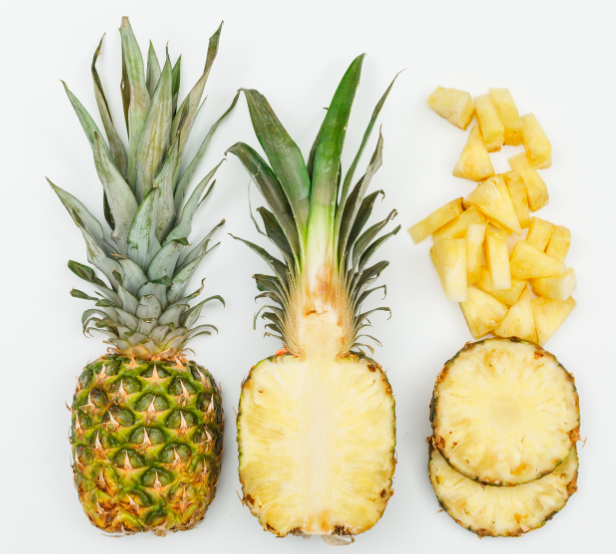
For businesses developing functional foods or beverages, incorporating a stable, powdered Bromelain extract that can be added after any heat treatment is the recommended solution.
4. How Long Does it Take for Bromelain to Work?
The time it takes for Bromelain to work is highly dependent on the dosage, potency (GDU), and the intended application.
-
For Digestive Support: When taken with a protein-rich meal, Bromelain begins working within minutes in the stomach to help break down dietary proteins, aiding digestion.
-
For Systemic Benefits ( Inflammation & Recovery): For benefits like reducing exercise-induced muscle soreness or supporting joint health, Bromelain needs to be absorbed into the bloodstream. This process typically takes between 1 to 4 hours after ingestion. Consistent daily intake over several days or weeks is often required to observe significant systemic effects, particularly for chronic conditions.
-
Topical Applications: In wound debridement creams or skincare, the action is localized and can begin immediately upon application.


