


On the role and efficacy of TUDCA (Tauroursodeoxycholic acid) in sports supplementation
What is tauroursodeoxycholic acid
Taurine Ursodeoxycholic Acid, more commonly known as TUDCA, is, for obvious reasons, found in the bile that our liver excretes and stores in the gallbladder. It is the taurine-bound form of ursodeoxycholic acid (UDCA.) TUDCA is found in very small amounts in human bile, but it makes up about 50% of bear bile. In fact, TUDCA has been used in traditional Chinese medicine for more than 100 years and was actually extracted from bear bile before chemical alternatives were discovered.
Bile aids in digestion; helping the body break down fats into fatty acids, making it easier for our digestive tract to absorb them. Bile is made up of 4 main components; cholesterol, bilirubin, bile acids (also known as bile salts) and of course, water. When supplemented, TUDCA comes in the form of a salt and will be listed on the Nutrition Facts table as TUDCA (Taurine Ursodeoxycholic Acid Sodium).
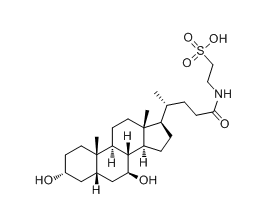
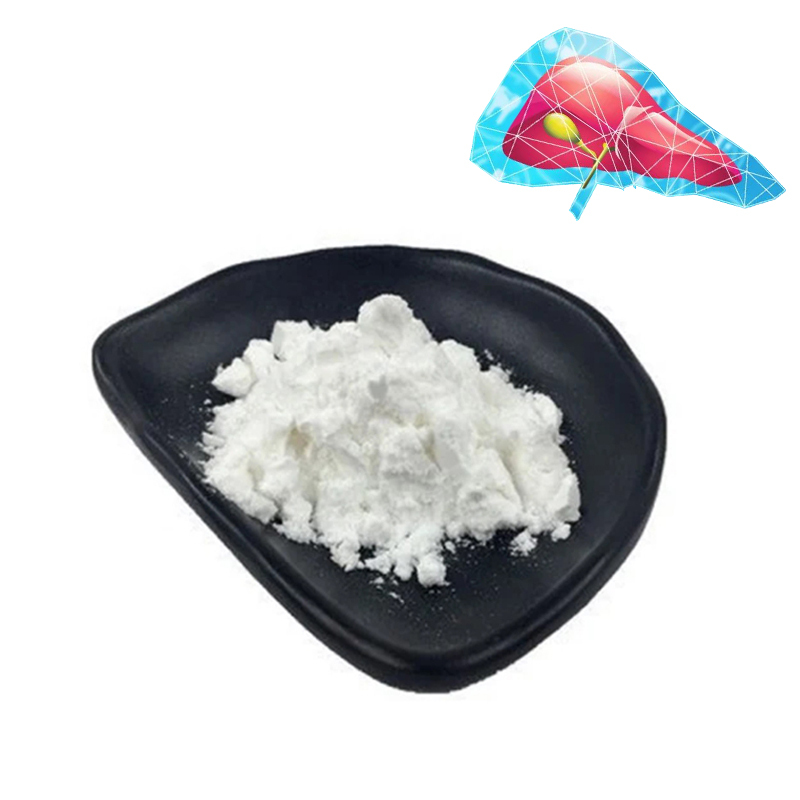
Tauroursodeoxycholic acid benefits
Tauroursodeoxycholic acid is the more hydrophilic form of ursodeoxycholic acid, which is naturally produced in the body. In patients with properly functioning gallbladders, both of these bile acids inhibit liver cholesterol secretion and synthesis as well as intestinal cholesterol absorption allowing for the promotion of cholesterol gallstone dissolution. The main mechanisms supporting possible Neuroprotective effects of TUDCA include the prevention of apoptosis. Specifically, TUDCA has been shown to inhibit apoptosis by modulating mitochondrial membrane perturbation and pore formation, B cell lymphoma 2[Bcl-2]-associated protein X(BAX) translocation, cytochrome c release, and caspase activation[11]. TUDCA inhibits amyloid beta[Ab]-induced apoptosis and attenuates the endoplasmic reticulum(ER) stress, which are thought to be key components of the pathological process in certain diseases.
1.TUDCA inhibits apoptosis
Studies have shown that TUDCA is active in multiple steps of the apoptotic pathway. Apoptosis plays a crucial role in maintaining homeostasis, in physiological processes, and in many diseases.
2.TUDCA modulates Amyloid-beta-induced apoptosis
3.TUDCA modulates ER stress
4.TUDCA modulates protein kinase C
It can be used in the treatment of cholesterol gallstones. Tauroursodeoxycholic acid is also being investigated for use in several conditions such as Primary Biliary Cirrhosis(PBC), insulin resistance, amyloidosis, Cystic Fibrosis, Cholestasis, and Amyotrophic Lateral Sclerosis.
How much do I need to take?
Various doses have been studied for the benefits of TUDCA. Starting with 10-13 mg of TUDCA supplementation per day, patients with chronic liver disease experienced significant reductions in liver enzymes for 3 months. Doses as high as 1,750 mg per day have been shown to be beneficial in fatty liver disease, improving muscle and liver insulin sensitivity. Doses of up to 4,000 mg (human equivalent) have been shown to positively affect neuroprotection against age-related memory loss in animals studied.
How long does it take to work?
TUDCA won't work overnight. Studies have reported various effects of TUDCA after supplementation for 1, 2, 3 and even 6 months. From the available research, it is safe to say that it takes at least 30 days (1 month) of supplementation to see improvements and benefits. However, sustained and long-term use will yield the greatest benefits from supplementing TUDCA.


