


Whey Protein 80 vs 90 What s the Difference and Which One Is Right for You
Whey Protein: The Complete Guide to Benefits, Types (80 vs. 90), and Who Should Use It
If you’ve ever walked into a supplement store or scrolled through fitness social media, you’ve seen it: whey protein. It’s the most popular protein supplement on the planet, but do you actually know what it is, why it works, and how to choose the right one? In this guide, we’ll break down everything you need to know in plain English.

What Is Whey Protein?
Whey protein is a mixture of proteins isolated from whey — the liquid part of milk that separates during cheese production. When you make cheese, the solid curds become cheese, and the liquid left over is whey. For a long time, that liquid was considered a waste product. Today, it’s recognized as one of the highest-quality protein sources available.
Whey is a complete protein, meaning it contains all nine essential amino acids your body cannot make on its own. It’s also particularly rich in branched-chain amino acids (BCAAs) — especially leucine — which play a key role in muscle protein synthesis.
The Main Benefits and Applications
Why do people take it? Here are the most well-researched benefits:
Muscle Growth & Strength
Highly effective for building muscle when combined with resistance training. Fast absorption and high leucine trigger repair.
Muscle Preservation
During a calorie deficit, whey helps preserve lean muscle mass while you shed fat.
Satiety & Weight Management
Protein is the most filling macronutrient. A shake curbs hunger and supports calorie control.
Convenience
Add 20–25g of protein in seconds — no cooking, no prep. Perfect for busy days.
Immune & Antioxidant Support
Contains immunoglobulins and lactoferrin. May help boost glutathione, a key antioxidant.
Whey Protein 80 vs. 90: What’s the Difference?
If you’ve shopped for whey, you’ve likely seen labels like Whey Protein 80 and Whey Protein 90. These numbers refer to the protein content by weight — but the difference goes beyond just percentage.
| Feature | Whey Protein 80 (WPC 80) | Whey Protein 90 (WPI 90) |
|---|---|---|
| Protein Content | ~80% protein by weight | ~90% protein by weight |
| Type | Whey Protein Concentrate (WPC) | Whey Protein Isolate (WPI) |
| Lactose | Contains some lactose (1–5%) | Very low lactose (<1%) |
| Fat & Carbs | Slightly higher | Minimal |
| Taste & Texture | Creamier, thicker | Thinner, sometimes less creamy |
| Cost | More affordable | More expensive |
| Best For | General fitness, bulking, budget | Lactose intolerance, cutting, strict diets |
Who Should Use Whey Protein?
Whey protein isn’t just for bodybuilders. It can benefit a wide range of people:
- Gym-goers and athletes — To support recovery and muscle growth.
- People trying to lose weight — To stay full and preserve muscle.
- Older adults — To combat age-related muscle loss (sarcopenia).
- Busy professionals and students — For a quick, easy protein boost.
- Vegetarians — Who eat dairy but struggle to hit protein targets.
- Lactose-intolerant individuals — If they choose Whey 90 (Isolate).
Who should avoid it? Anyone with a dairy allergy (not just intolerance), people with severe kidney disease (unless cleared by a doctor), and vegans (whey is animal-derived).

How to Choose and Use Whey Protein
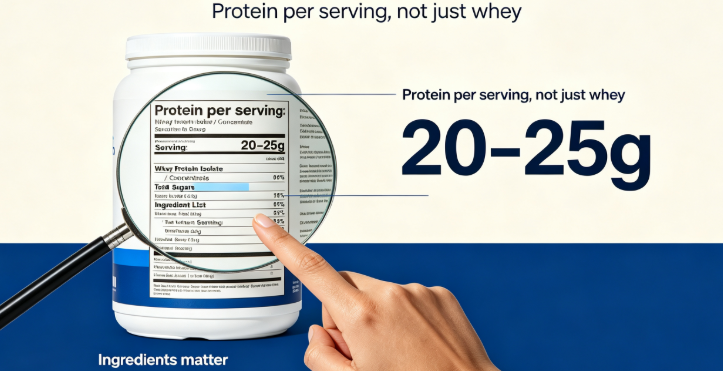
- Check the label: Look for protein per serving, not just “whey” on the front.
- Watch for fillers: Some cheap powders add sugars, gums, and artificial colors.
- Timing: You can take it anytime — post-workout, as a snack, or with breakfast. Total daily protein intake matters most.
- Dosage: A typical scoop provides 20–25g. Most people need 0.7–1g of protein per pound of body weight daily.
Final Thoughts
Whey protein is a safe, effective, and convenient way to boost your protein intake. Whether you choose Whey 80 for value and taste or Whey 90 for purity and low lactose, the key is consistency. As always, supplements support a healthy diet — they don’t replace one. If you have any medical conditions, consult your doctor before starting any new supplement.
Interested? Contact Rui Zelin
If you are interested in sourcing high-quality whey protein, pharmaceutical ingredients, or related nutritional products, please feel free to reach out to Rui Zelin.
We are a large-scale gold supplier with over 17 years of experience in import and export, integrating production and sales. Our professional R&D team and fully equipped laboratory ensure strict quality control for every product we offer.
Website: //www.ruizelinbio.com/
Visit Rui Zelin →

