


Anti-aging! What nutritional supplements can we take?
2026-01-06
What should we do? Today, let's take a look at which nutritional supplements can "boost" our health!
(Nutritional supplements are a lifestyle addition; please use them under professional guidance.)
(Nutritional supplements are a lifestyle addition; please use them under professional guidance.)

1. Coenzyme Q10: The Cell's "Energy Generator"
Coenzyme Q10 is the body's own "energy factory," helping cells produce energy and combat oxidative stress. However, after age 30, the body's coenzyme Q10 production declines year by year. Gradually, cells become less efficient, aging accelerates, and may even increase the risk of neurodegenerative diseases. Therefore, appropriate coenzyme Q10 supplementation is essential!

→Food Sources:
Animal organs, lean meat, broccoli, and sunflower seeds all contain coenzyme Q10, but obtaining fresh, high-quality ingredients is difficult.
→Supplementation Options:
Coenzyme Q10 supplements are more direct and suitable for middle-aged and elderly people who often feel fatigued, or for those who do not want to eat animal organs.
Animal organs, lean meat, broccoli, and sunflower seeds all contain coenzyme Q10, but obtaining fresh, high-quality ingredients is difficult.
→Supplementation Options:
Coenzyme Q10 supplements are more direct and suitable for middle-aged and elderly people who often feel fatigued, or for those who do not want to eat animal organs.
2. Omega-3 fatty acids: Inflammation "fire extinguishers"
Omega-3 fatty acids are powerful anti-inflammatory agents, primarily consisting of ALA, EPA, and DHA. They are an essential class of unsaturated fatty acids. They have anti-inflammatory properties, protect the cardiovascular system, and play a vital role in human health. The human body cannot synthesize these fatty acids on its own and must obtain them from external sources.
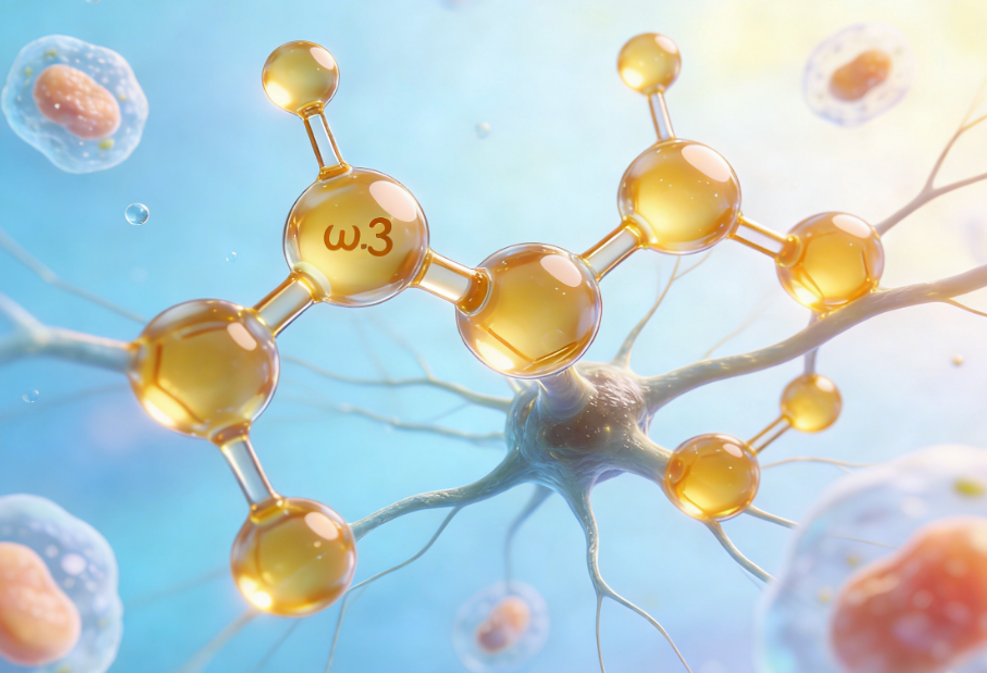
Omega-3 fatty acids are powerful anti-inflammatory agents, primarily consisting of ALA, EPA, and DHA. They are an essential class of unsaturated fatty acids. They have anti-inflammatory properties, protect the cardiovascular system, and play a vital role in human health. The human body cannot synthesize these fatty acids on its own and must obtain them from external sources.
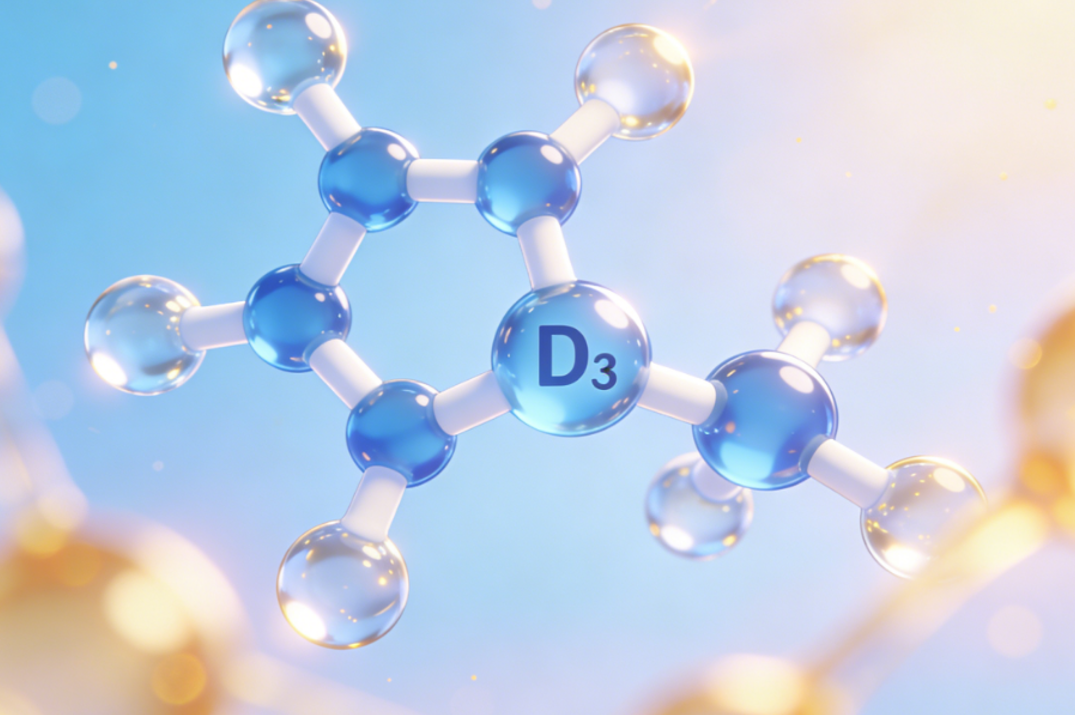
3. Vitamin D3: A Guardian of Bone Immunity
Vitamin D3 is essential for bones, teeth, and the immune system, and it can also improve chronic inflammation and help extend lifespan. However, for people who work indoors for long periods and get little sun exposure, dietary intake alone is simply not enough.
→Food Sources:
Salmon, sardines, egg yolks, organ meats, and dried mushrooms contain vitamin D3, but in extremely limited amounts.
→Supplementation Options:
Taking vitamin D3 supplements directly is more cost-effective, especially suitable for people who don't like to get sunlight, have little outdoor activity, or spend long hours indoors.
Salmon, sardines, egg yolks, organ meats, and dried mushrooms contain vitamin D3, but in extremely limited amounts.
→Supplementation Options:
Taking vitamin D3 supplements directly is more cost-effective, especially suitable for people who don't like to get sunlight, have little outdoor activity, or spend long hours indoors.
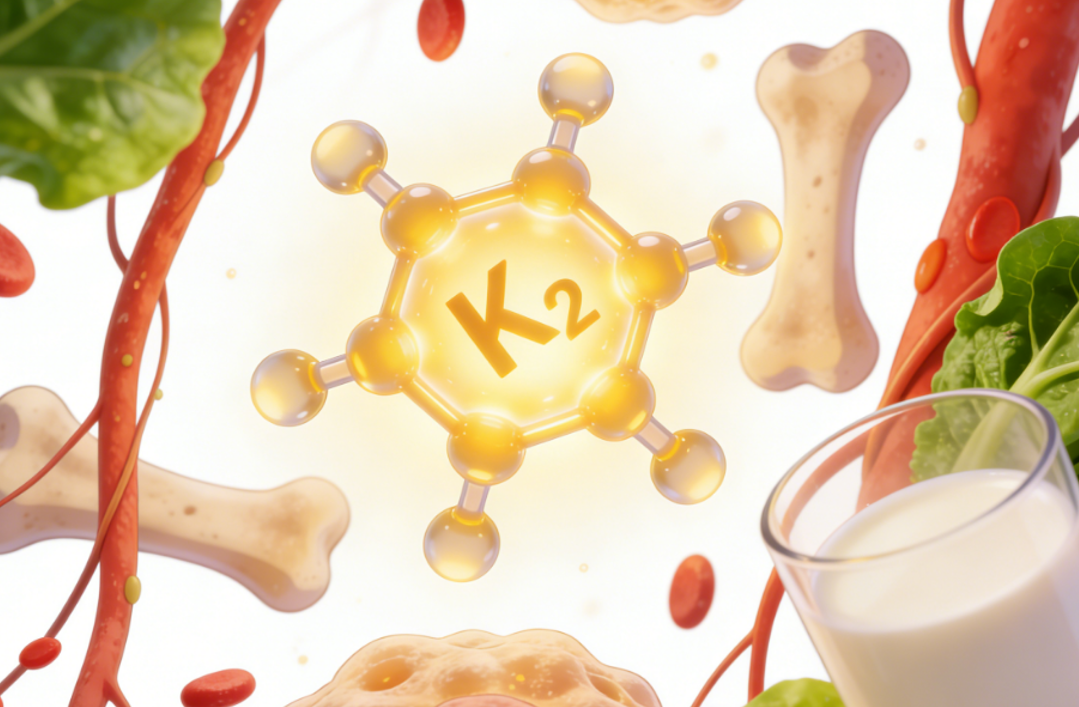
4. Vitamin K2: A "protective shield" for bones and blood vessels.
Vitamin K2 is crucial for bone health, vitamin D3 absorption, and calcium metabolism. It helps calcium enter bones, prevents calcium from depositing in blood vessels, avoids arterial stiffness and calcification, reduces the risk of osteoporosis and cardiovascular disease, and slows down aging.
→Food Sources:
Gut bacteria can produce vitamin K2. Natto, beef liver, and egg yolks also contain vitamin K2, but the amounts are very small and insufficient to meet the body's needs.
→Supplementation:
The most convenient and sufficient source of vitamin K2 is nutritional supplements, suitable for middle-aged and elderly people, postmenopausal women, etc. (to prevent osteoporosis).
Gut bacteria can produce vitamin K2. Natto, beef liver, and egg yolks also contain vitamin K2, but the amounts are very small and insufficient to meet the body's needs.
→Supplementation:
The most convenient and sufficient source of vitamin K2 is nutritional supplements, suitable for middle-aged and elderly people, postmenopausal women, etc. (to prevent osteoporosis).
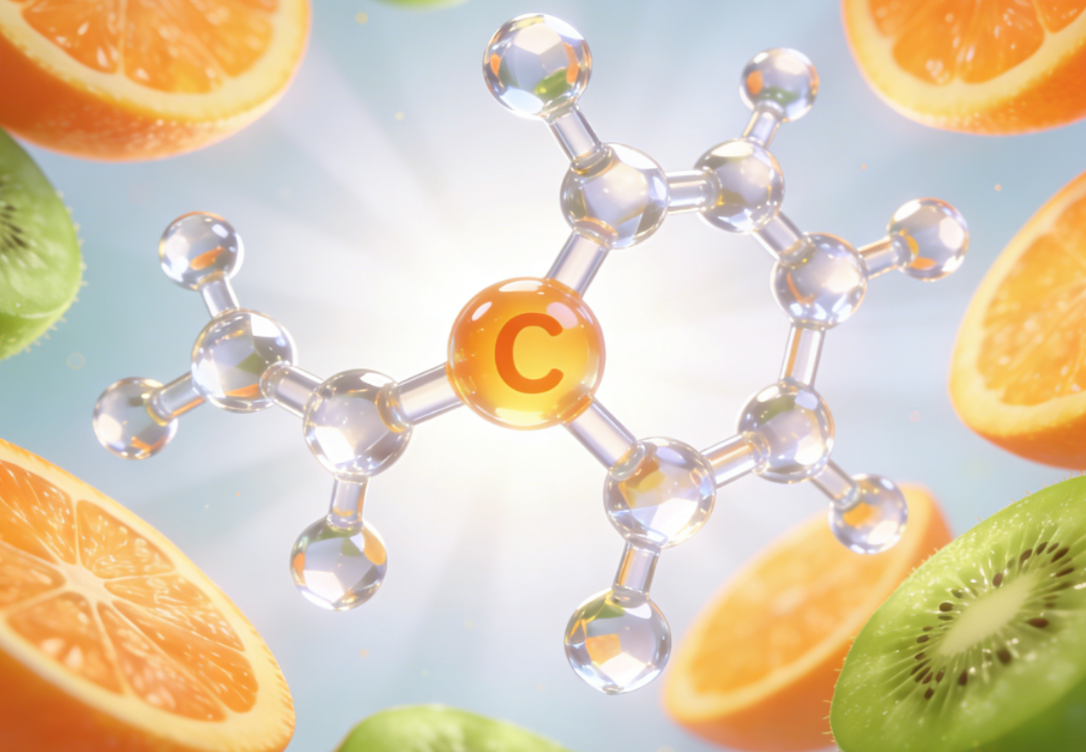
5. Vitamin C: An antioxidant "little guardian"
Vitamin C is a well-known antioxidant that helps the body produce antibodies and collagen, repair damaged tissue, enhance immunity, and promote the absorption and utilization of nutrients, playing an important role in maintaining normal physiological functions. It's important to note that it competes with glucose—if you eat too much sugar before taking vitamin C, the vitamin C will not be able to function effectively.
→Food Sources:
Fresh fruits and vegetables contain vitamin C, but modern dietary habits easily lead to insufficient intake.
→Supplementation:
Prioritize obtaining vitamin C from fresh fruits and vegetables. If intake is insufficient, then supplement with vitamin C supplements. Avoid taking vitamin C supplements with sugar.
Fresh fruits and vegetables contain vitamin C, but modern dietary habits easily lead to insufficient intake.
→Supplementation:
Prioritize obtaining vitamin C from fresh fruits and vegetables. If intake is insufficient, then supplement with vitamin C supplements. Avoid taking vitamin C supplements with sugar.
6. Magnesium: The Body's "Universal Regulator"
Previous News: Betaine has gained significant attention in the anti-aging market
Next News: Astaxanthin: A Natural "Nutritional Guardian" for Pet Health


