






Transglucosidase


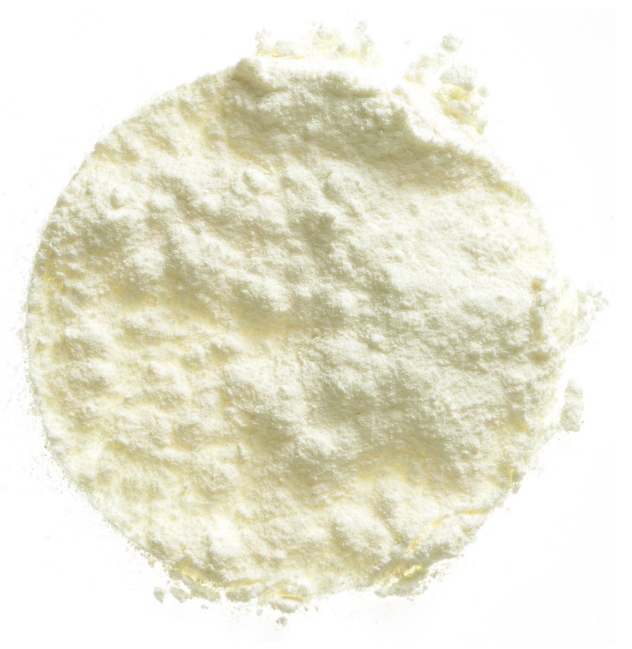
Transglucosidase (EC 3.2.1.20) is a pivotal enzyme in carbohydrate metabolism, primarily utilized in the food and biotechnology industries.
It catalyzes the transfer of glucose residues between substrates, enabling the synthesis of branched oligosaccharides such as isomaltooligosaccharides (IMO).
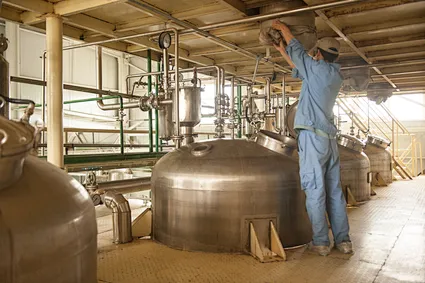
Traditionally derived from Aspergillus niger (black mold), modern production leverages recombinant DNA technology using Trichoderma reesei (a GRAS-certified fungus) for higher efficiency and sustainability.
Transglucosidase is classified as a food-processing aid and enzyme preparation, meeting global safety standards like GB 25594-2010
Hydrolysis and Transglycosylation
Transglucosidase simultaneously hydrolyzes α-D-glucosidic bonds and transfers glucose units to form α-1,6 linkages, converting maltose-based oligosaccharides into IMO. For example, it transforms maltose into panose (4-α-glucosyl maltose) and glucose, enhancing the prebiotic content of products.Specific Catalytic Activity
The enzyme targets hydroxyl groups (e.g., 6-OH, 2-OH, or 3-OH) on glucose residues, generating diverse oligosaccharides like isomaltose, kojibiose, and nigerose. Optimal activity occurs at pH 5.0–5.5 and 55°C, ensuring compatibility with industrial starch-processing conditions.Eco-Efficiency
Recombinant Transglucosidase produced by T. reesei demonstrates 20–30% higher yield and stability compared to traditional A. niger-derived enzymes, reducing resource consumption (e.g., water, energy) and aligning with sustainable practices.

Food Industry
Prebiotic IMO Production: Transglucosidase is central to converting starch-derived maltose syrups into IMO, a functional prebiotic that promotes gut health. Typical usage: 0.5–1.5 kg per ton of dry starch.
Low-Calorie Sweeteners: By generating non-digestible oligosaccharides, it enhances the dietary fiber content of baked goods, beverages, and dairy products.
Biotechnology Innovations
Recombinant Enzyme Engineering: Genetic modifications in T. reesei improve thermal stability and catalytic efficiency, enabling scalable production for high-demand markets.
Vegetarian/Halal Compliance: Microbial-derived Transglucosidase meets ethical and religious dietary requirements, replacing animal-based enzymes.
Sustainable Manufacturing
Waste Reduction: Post-reaction, Transglucosidase is deactivated at 80°C and removed via ion exchange, leaving no residue in final products.
Cost Efficiency: Fermentation-based production lowers costs by 15–20%, benefiting manufacturers and consumers.
Quality Control
Standardized Output: Recombinant Transglucosidase ensures batch-to-batch consistency in curd firmness and oligosaccharide profiles, critical for industrial cheese and functional food production.