


Unveiling the Health Benefits of Proanthocyanidins and Their Diverse Applications in the Food Industry
2025-11-13
Proanthocyanidins (abbreviated as PC) are a group of bioflavonoids and belong to the polyphenolic compounds. They are not a single compound but are composed of a series of compounds with different degrees of polymerization. The two most basic monomers in its structure are catechin and epicatechin. These monomers are further linked according to their molecular structure's α or β positions to form oligomers such as di-linkers, tri-linkers, etc., as well as macromolecular tannins (condensed tannins) and polymers (polyhydroflavan-3-ol).
In simple terms, proanthocyanidins are like a "block castle" constructed by multiple small molecules. Different construction methods and combinations give it a unique chemical structure and biological activity. These low-polymer forms of proanthocyanidins, especially dimers and trimers and other "oligomers", have high biological activity and are the key to exerting their health benefits.
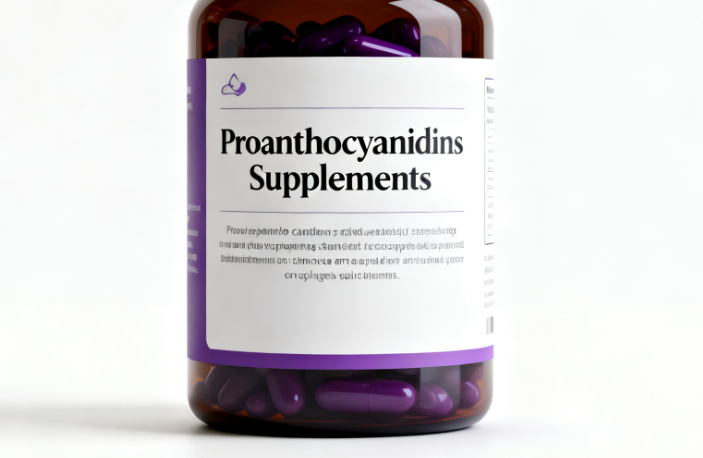
2.The source of proanthocyanidins
Proanthocyanidins are widely present in plants and are secondary metabolites of plants. This means that they are a type of substances produced by plants during their growth and development that offer protection to the plants themselves. Many common foods in our daily lives are excellent sources of proanthocyanidins:
01. Grape Seeds: Grape seed extract is one of the most widely used sources of proanthocyanidins at present. Grape seeds contain abundant proanthocyanidins. Through a special extraction process, these proanthocyanidins can be concentrated and extracted to produce various health supplements and nutritional supplements. This is why we often hear the term "grape seed extract" closely associated with proanthocyanidins.
02. Pine Bark: Pine bark is also rich in proanthocyanidins. The bark of French coastal pine is an important raw material for extracting proanthocyanidins. Through processes such as grinding, ethanol extraction, filtration, concentration, and drying, products with high concentrations of proanthocyanidins can be produced. Historically, pine bark extracts have also had a long history of use and have been employed in traditional medicine.
03. Fruits: Blueberries, strawberries, cranberries, black goji berries, etc. all contain a certain amount of proanthocyanidins. Among them, blueberries, especially wild blueberries, have particularly high levels of proanthocyanidins. These delicious fruits not only have a delicious taste but also can provide us with natural proanthocyanidins while allowing us to enjoy the deliciousness.
04. Vegetables and Grains: Purple cabbage, purple sweet potatoes, black beans, red rice, etc. are also good sources of proanthocyanidins. The bright purple color of purple cabbage and the unique color of purple sweet potatoes are closely related to the proanthocyanidins contained therein.
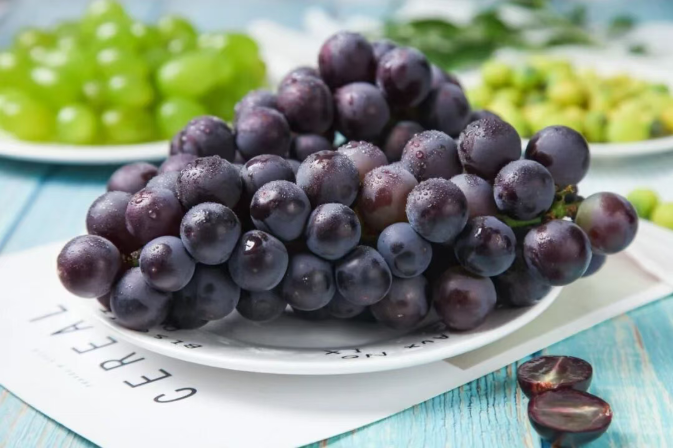
3.The functions and roles of proanthocyanidins
01. Antioxidant effect
Oxidation reactions are an inevitable process in human metabolism. However, when there are excessive free radicals in the body, it will disrupt the balance between oxidation and antioxidation. Excessive free radicals will attack cell membranes, proteins and DNA, leading to damage to the cell membrane structure, DNA damage, and disruption of cell functions, thereby triggering various diseases, such as cardiovascular diseases, cancer, neurodegenerative diseases, etc. It is also an important cause of skin aging.
Proanthocyanidins are a powerful natural antioxidant. Their antioxidant capacity is 50 times higher than that of vitamin E and 200 times higher than that of vitamin C. It can effectively eliminate free radicals in the body by providing hydrogen atoms, such as superoxide anion free radicals, hydroxyl free radicals, and hydrogen peroxide free radicals, thereby reducing the damage of free radicals to cells and tissues, slowing down the aging process, and protecting the health of various organs and systems in the body.
02. Anti-inflammatory effect
Inflammation is a common pathological basis for many diseases. Whether it is chronic inflammation such as arthritis, enteritis, rhinitis, or acute inflammatory responses, it is closely related to the health of the body. Proanthocyanidins have a significant anti-inflammatory effect. The mechanism of action is mainly by inhibiting the production of inflammatory factors and cytokines, such as tumor necrosis factor (TNF-α), interleukins (IL-1, IL-6, etc.), blocking the activation of inflammatory signaling pathways, reducing the aggregation of white blood cells, and the release of inflammatory mediators such as prostaglandins and leukotrienes, thereby alleviating the inflammatory response and relieving the symptoms of inflammatory-related diseases.
03. Protecting Vision
Previous News: Desloratadine-The Advanced Antihistamine for Modern Allergy Relief
Next News: Sererepeptidase: derived from fermentation processes, providing high purity and stable supply


