


The function of probiotics can regulate the intestines
2025-12-18
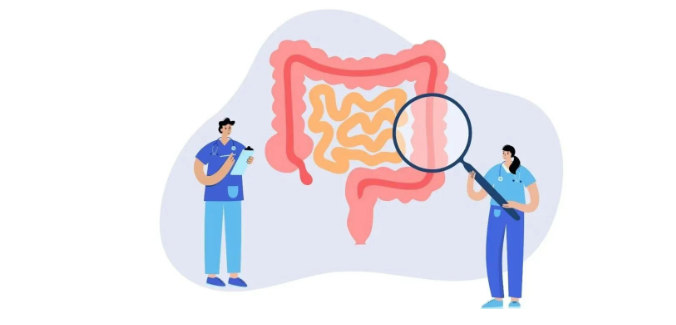
There are over a million trillion bacteria living in the human intestinal tract. There are approximately 500 to 1,000 different types, and they are all alive. The vast majority of them are beneficial to the human body and are called "probiotics", while a small portion are harmful and are called "pathogenic bacteria". As long as the balance between probiotics and pathogenic bacteria is maintained in a dynamic state, our microecology is good. Of course, it also determines our health status. Of course, if this balance is disrupted, the number of probiotics decreases significantly and the number of pathogenic bacteria increases significantly. This is what we commonly refer to as microecological imbalance. Health will also be affected.
01 What are the manifestations of microecological imbalance?
In fact, they are all common health problems in daily life: For instance, constipation, diarrhea, indigestion - these gastrointestinal issues are the most obvious. There are also gynecological inflammations, repeated infections, low immunity, high blood pressure, including aging, and of course, sub-health is no exception. So, have we noticed that: Many of the previously recurring health problems that have troubled us have overlooked an important factor, which is to pay attention to the proportion of probiotics and adjust the intestinal microecology.
Probiotics are actually a type of bacteria. But don't worry, people. Previously, whenever bacteria were mentioned, it was always associated with the bad stuff that makes us sick. This is a big misunderstanding about the bacterial family. Bacteria can be both good and bad.
In simple terms, probiotics are "live beneficial bacteria", and they are the guardians protecting human health.
In fact, probiotics have increasingly become a part of our daily lives. However, we don't have enough knowledge about them and haven't truly recognized their benefits.
The quantity of probiotics is far beyond our imagination. There are approximately trillions of units of probiotics in a healthy human body. If all the probiotics in our body were collected together, they would weigh about 1 kilogram, second only to the liver. If they lined up hand in hand and formed a circle, it could circle the earth more than two and a half times! 80% of them live in the intestines, while the rest can be found in our mouths, nasal cavities, esophagus, stomach, urinary tract, and many other places! They also affect the health of these areas. Thus, the range they can influence is quite extensive!
03 What effects do probiotics have on us?
We can summarize it into two aspects:
Using bacteria to inhibit bacteria, using probiotics to combat pathogenic bacteria and exert anti-inflammatory effects;
By consuming live probiotics, the beneficial bacteria in the body can provide vitality and help achieve a balance in the microecology. Specifically, we can share the health benefits of probiotics from the following four main aspects:
A.It is the guardian of the gastrointestinal tract.
The main habitat of probiotics is in the intestines, and of course, their effects on the intestines are the most obvious. However, we should be clear that the gastrointestinal tract is not merely a place for digestion and absorption; it is also the source of all diseases. 80% of diseases are caused by problems in the intestines, so it is absolutely essential not to ignore this and to actively make adjustments.
The intestines are the main battlefield for probiotics. Let's see what they can do for us?
Probiotics can be closely arranged on the intestinal mucosa, hand in hand and shoulder to shoulder, forming a solid barrier. We call this the biological immune barrier, which is also the first line of defense. This will significantly reduce intestinal infections and can improve the micro-environment of the intestines, just like soldiers protecting our physical health. Therefore, when there is an adequate supply of probiotics and a balanced bacterial community, the common gastrointestinal problems we often encounter will no longer occur.
The bacterial communities in people's intestines are like a big family, and each type of bacteria needs to maintain a certain balance. Probiotics can regulate the balance of the intestinal bacteria, multiply beneficial bacteria, and inhibit harmful bacteria.
B.It is a green "antibiotic".
Antibiotics make us both love and hate them. This is because the side effects they bring are receiving more and more attention. Antibiotics are like atomic bombs. Once they enter the body, they not only kill pathogenic bacteria but also destroy beneficial bacteria.
Since probiotics account for 70-80% of our immune response, it is equivalent to antibiotics killing our immunity. Currently, the whole world is calling for a reduction in the abuse of antibiotics. We mentioned earlier that probiotics work by inhibiting bacteria, that is, using probiotics to defeat pathogenic bacteria. This not only enables us to resist pathogenic bacteria but also enhances our immunity, which is a virtuous cycle process.
Since probiotics account for 70-80% of our immune response, it is equivalent to antibiotics killing our immunity. Currently, the whole world is calling for a reduction in the abuse of antibiotics. We mentioned earlier that probiotics work by inhibiting bacteria, that is, using probiotics to defeat pathogenic bacteria. This not only enables us to resist pathogenic bacteria but also enhances our immunity, which is a virtuous cycle process.
Previous News: Did your body actually absorb the magnesium you supplemented?
Next News: Complete Guide to Xanthan Gum in Food Processing


