


Erythritol-The Game-Changing Sweetener Redefining Healthy Indulgence
2025-09-11
In a world where we crave sweetness without compromising our health goals, finding the perfect balance has long been a challenge. Sugary treats often come with guilt, while some artificial sweeteners leave a bitter aftertaste or raise concerns about long-term use. Enter erythritol—a natural sugar alcohol that’s quickly becoming a favorite among health-conscious consumers, food manufacturers, and wellness experts alike. Let’s dive into why this sweetener is more than just a trend, but a sustainable solution for guilt-free enjoyment.
What Is Erythritol?
Erythritol is a type of sugar alcohol (polyol) that occurs naturally in small amounts in fruits like pears, watermelons, and grapes, as well as fermented foods such as cheese and wine. Unlike many artificial sweeteners, it’s not synthetically created in a lab—instead, commercial erythritol is produced through the fermentation of glucose (often derived from corn or sugarcane) by yeast. This process mimics how nature creates it, resulting in a sweetener that’s both familiar to our bodies and gentle on digestion.
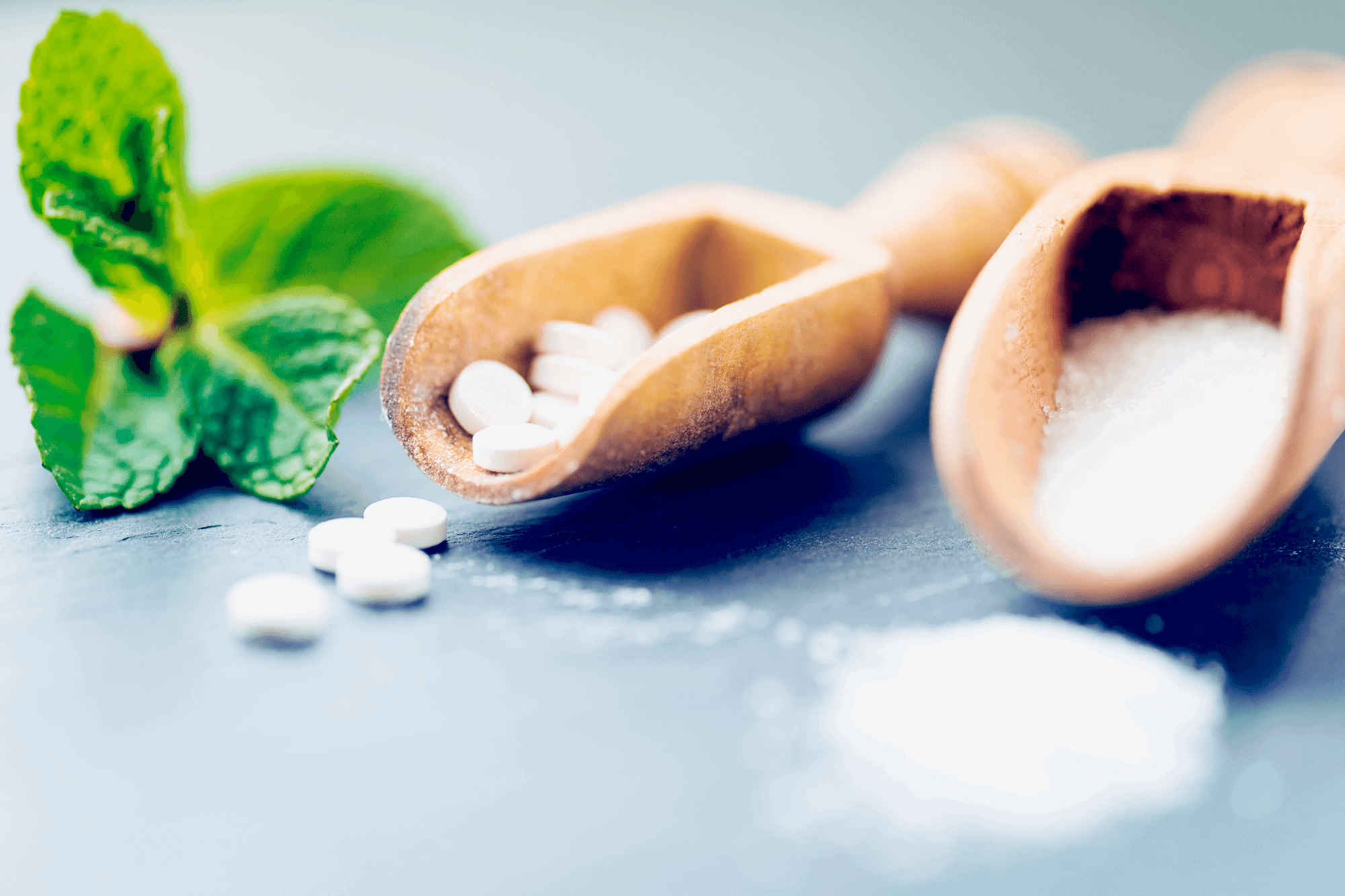
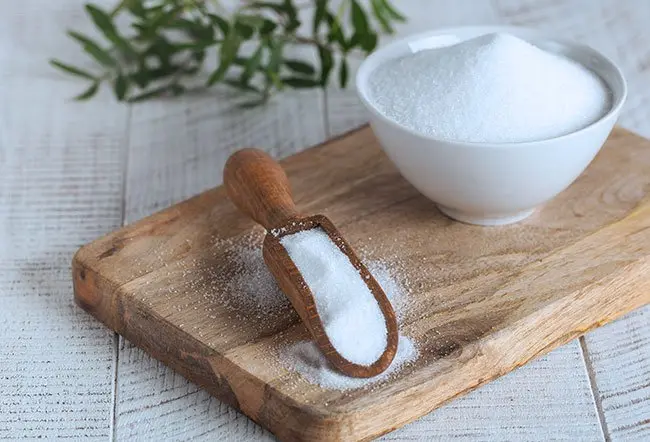
At first glance, erythritol looks and tastes like regular table sugar: it’s a white, crystalline powder that dissolves easily in liquids and adds a clean, sweet flavor to foods. But its similarities to sugar end there—because when it comes to health, erythritol stands in a league of its own.
Why Erythritol Outshines Other Sweeteners: Key Benefits
What makes erythritol a standout choice? Let’s break down its most compelling advantages, which address the biggest pain points of traditional sugars and alternative sweeteners:
1. Zero Calories, Zero Impact on Blood Sugar
For anyone watching their calorie intake or managing blood sugar levels (such as people with diabetes or those following a low-carb diet), erythritol is a game-changer. It contains 0 calories per gram—a stark contrast to sugar’s 4 calories per gram—because the human body doesn’t fully metabolize it. Instead, most erythritol passes through the digestive system unchanged, meaning it won’t spike blood glucose or insulin levels. This makes it an ideal sweetener for keto, paleo, and diabetic-friendly diets.
2. Gentle on Digestion (No Unpleasant Side Effects)
One common complaint about other sugar alcohols (like xylitol or sorbitol) is their tendency to cause digestive discomfort—think bloating, gas, or diarrhea—when consumed in large quantities. Erythritol avoids this issue because it’s absorbed in the small intestine before reaching the colon, where bacteria would otherwise ferment it. Even in larger servings (up to 50 grams per day for most people), erythritol rarely causes side effects, making it one of the most digestion-friendly sweeteners available.
3. Tooth-Friendly: Fights Cavities, Not Enamel
Sugar is the enemy of dental health, as it feeds the bacteria in our mouths that produce cavity-causing acid. Erythritol, however, does the opposite: it doesn’t break down into acid, and it even inhibits the growth of harmful bacteria like Streptococcus mutans. Studies have shown that using erythritol in toothpaste, mouthwash, or sweetened foods can reduce the risk of cavities, making it a win for both your taste buds and your smile.
4. Versatile in the Kitchen (Works Like Sugar)
Unlike some sweeteners that lose their flavor when heated or don’t dissolve well in cold drinks, erythritol is incredibly versatile. It can be used as a 1:1 replacement for sugar in baking (cookies, cakes, muffins), added to smoothies, coffee, or tea, or sprinkled on top of oatmeal or fruit. It also doesn’t caramelize like sugar, but it can be combined with other sweeteners (like stevia) to mimic that rich, browned texture in recipes. Whether you’re a home cook or a professional chef, erythritol fits seamlessly into your routine.
Comparison with Other Sweeteners
| Attribute | Erythritol | Stevia | Sucralose |
|---|---|---|---|
| Calories/g | 0.2 | 0 | 0 |
| Glycemic Index | 0 | 0 | 0 |
| Aftertaste | None | Bitter | Metallic |
| Thermal Stability | High | Low | High |
Who Should Use Erythritol? Spoiler: Almost Everyone
Erythritol isn’t just for a niche group of dieters—it’s a sweetener that works for nearly anyone looking to make healthier choices:
- Diabetics and pre-diabetics: It won’t disrupt blood sugar levels, making it a safe alternative to sugar.
- Keto and low-carb enthusiasts: With 0 net carbs, it fits perfectly into a high-fat, low-carb lifestyle.
- Parents: It’s safe for kids (unlike xylitol, which is toxic to pets) and helps teach them to enjoy less sugary foods.
- Dental health advocates: It protects teeth without sacrificing sweetness.
- Anyone reducing sugar intake: Whether you’re cutting back for weight management or overall wellness, erythritol lets you enjoy treats without the guilt.
Conclusion: Balancing Promise and Prudence
Erythritol offers a compelling blend of functionality and health benefits, making it a cornerstone of modern food and pharmaceutical design. While emerging research calls for mindful consumption, its role in supporting sugar reduction strategies remains invaluable. As science evolves, erythritol is poised to stay at the forefront of sweetener innovation—proof that nature’s smallest molecules can drive the biggest changes.
Previous News: Understanding Ceftriaxone Sodium – A Key Weapon in Modern Medicine
Next News: Looking for a Safer, More Natural Stabilizer? Discover Cyclodextrin.


