


Complete Guide to Xanthan Gum in Food Processing
Complete Guide to Xanthan Gum in Food Processing
Mastering the application, properties, and optimal usage of xanthan gum for enhanced food quality and stability
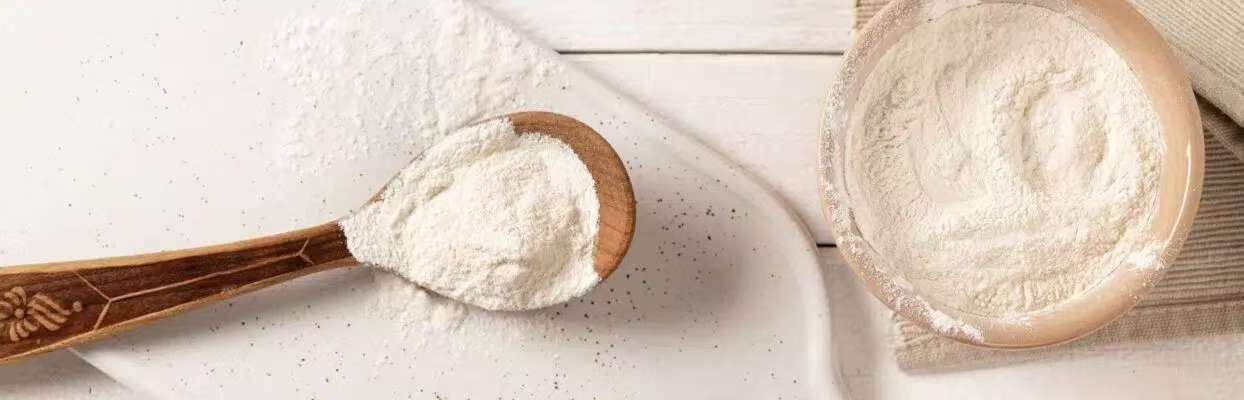
The application of xanthan gum is becoming increasingly widespread in the food industry. Today, we explore its proper utilization in food processing.
Xanthan gum, commonly known as corn sugar gum or Hansen gum, is a complex polysaccharide produced through fermentation of sugars (glucose, sucrose, lactose) by Xanthomonas campestris.
Typically manufactured from corn starch, xanthan gum is an acidic extracellular heteropolysaccharide produced by Xanthomonas campestris using carbohydrates as the primary substrate through aerobic fermentation biotechnology. The process involves cleaving 1,6-glycosidic bonds, opening branched chains, and then synthesizing straight chains via 1,4-linkages.
Core Characteristics of Xanthan Gum
- Physical Form: White or pale yellow powder
- Functional Properties: Excellent thickening, suspending, emulsifying, and water solubility
- Stability: Superior thermal and acid-base stability
- Solubility: Rapid dissolution in both cold and hot water, offering convenience in application
Important Note: Due to its extremely high hydrophilicity, if xanthan gum is directly added to water without sufficient stirring, the outer layer will absorb water and expand into gel lumps, preventing water from penetrating the inner layer and compromising its effectiveness. Proper usage methods are essential.
Xanthan gum powder should be mixed with dry ingredients like salt or sugar before being gradually added to stirring water to prepare a solution. Xanthan gum solution exhibits the characteristic of low concentration with high viscosity (a 1% aqueous solution has approximately 100 times the viscosity of gelatin), making it an efficient thickener.
Shear Characteristics: Xanthan gum aqueous solutions exhibit high viscosity under static or low shear conditions, while viscosity sharply decreases under high shear, though the molecular structure remains unchanged.
Temperature Stability: The viscosity of xanthan gum solutions does not significantly change with temperature variations. Aqueous solutions maintain virtually constant viscosity between 10–80°C. Even low-concentration solutions demonstrate stable high viscosity across a broad temperature range. A 1% xanthan gum solution (containing 1% potassium chloride) experiences only a 3% viscosity reduction when heated from 25°C to 120°C.
Acid-Base Stability: Xanthan gum solutions are highly stable to acids and alkalis. Viscosity remains unaffected within pH 5–10, with only minor changes when pH is below 4 or above 11. Within the pH range of 3–11, the difference between maximum and minimum viscosity is less than 10%.
Solubility Characteristics: Xanthan gum is soluble in various acid solutions, including 5% sulfuric acid, 5% nitric acid, 5% acetic acid, 10% hydrochloric acid, and 25% phosphoric acid. These xanthan gum acid solutions remain remarkably stable at room temperature, maintaining quality for several months.
Salt Compatibility: Xanthan gum solutions are miscible with numerous salt solutions (potassium, sodium, calcium, magnesium salts, etc.) without viscosity impairment. Under high salt concentrations, including saturated salt solutions, xanthan gum maintains solubility without precipitation or flocculation, with viscosity virtually unaffected.
Enzyme Resistance: The stable double helix structure of xanthan gum provides exceptional antioxidant and anti-enzymatic degradation capabilities. Numerous enzymes, including proteases, amylases, cellulases, and hemicellulases, cannot degrade xanthan gum.
Xanthan gum is a shear-thinning pseudoplastic fluid whose viscosity gradually increases with rising mass concentration and shows an initial decrease followed by an increase with temperature elevation. It facilitates food shape retention during processing, functions as a thermoreversible gel, and demonstrates good freeze-thaw stability, though its water-holding capacity is limited. Selection should be based on specific application requirements.
According to China's Hygienic Standards for Food Additives, xanthan gum may be used in appropriate quantities as needed in various food products. Dosages in specific food categories are summarized below:
| Food Category | Recommended Dosage | Primary Functions |
|---|---|---|
| Meat Products | 0.1-0.2% | Tenderizing, water retention, stability enhancement |
| Frozen Foods | 0.1-0.2% | Thickening, texture refinement, structural stabilization |
| Filled Foods | 0.5-1.5% | Molding facilitation, texture enhancement |
| Frozen Desserts | 0.1-0.2% | Water binding, viscosity development, texture refinement, dehydration prevention |
| Instant Noodles | 0.2-0.3% | Toughness enhancement, chewiness improvement, oil consumption reduction, moisture retention |
| Sausages | 0.2-0.3% | Molding facilitation, stuffing improvement, moisture and oil retention |
| Canned Meat | 0.1-0.2% | Seasoning facilitation, soup thickening |
| Dehydrated Foods | 0.2-0.4% | Rehydration acceleration, color and flavor preservation |
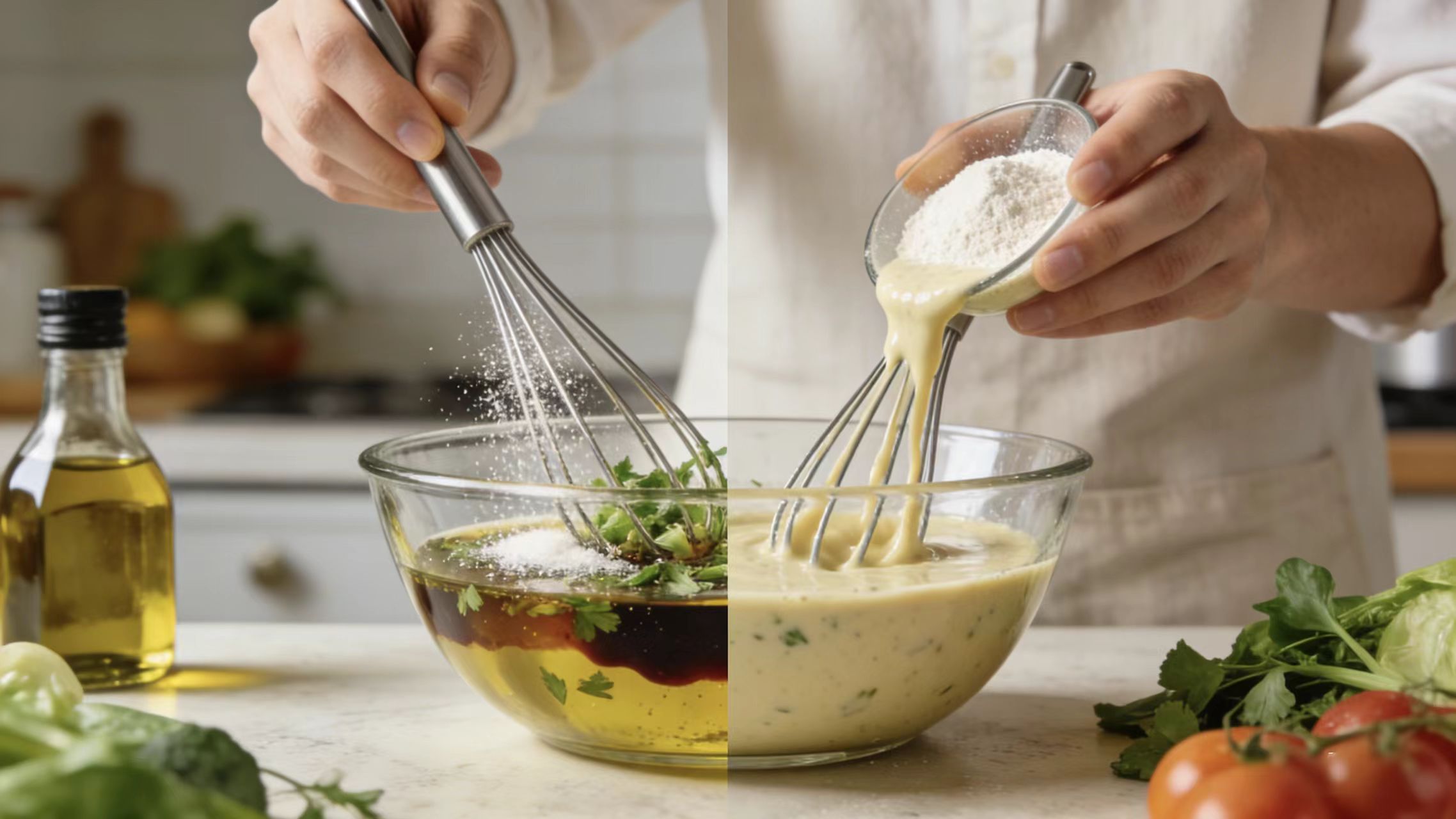
Beverage Applications: Xanthan gum's excellent hydrophilicity, temperature stability, and acid/alkali/salt tolerance enable rapid dissolution in aqueous systems to form stable sols, increasing beverage viscosity while enhancing stability and particle suspension. In liquid beverages, usage levels of 0.1–0.3% provide thickening, suspension, and sensory quality improvement; in powdered beverages, 0.1–0.3% addition facilitates molding and texture enhancement.
Grain Product Applications: Dough formation relies on gluten protein networks. Xanthan gum's strong water absorption allows formation of viscous gels that combine with starch particles and gluten proteins to create three-dimensional networks, increasing dough water retention, strengthening gluten, and improving stability. In flour-based products, typical usage of 0.03–0.08% enhances toughness, water retention, and shelf life.
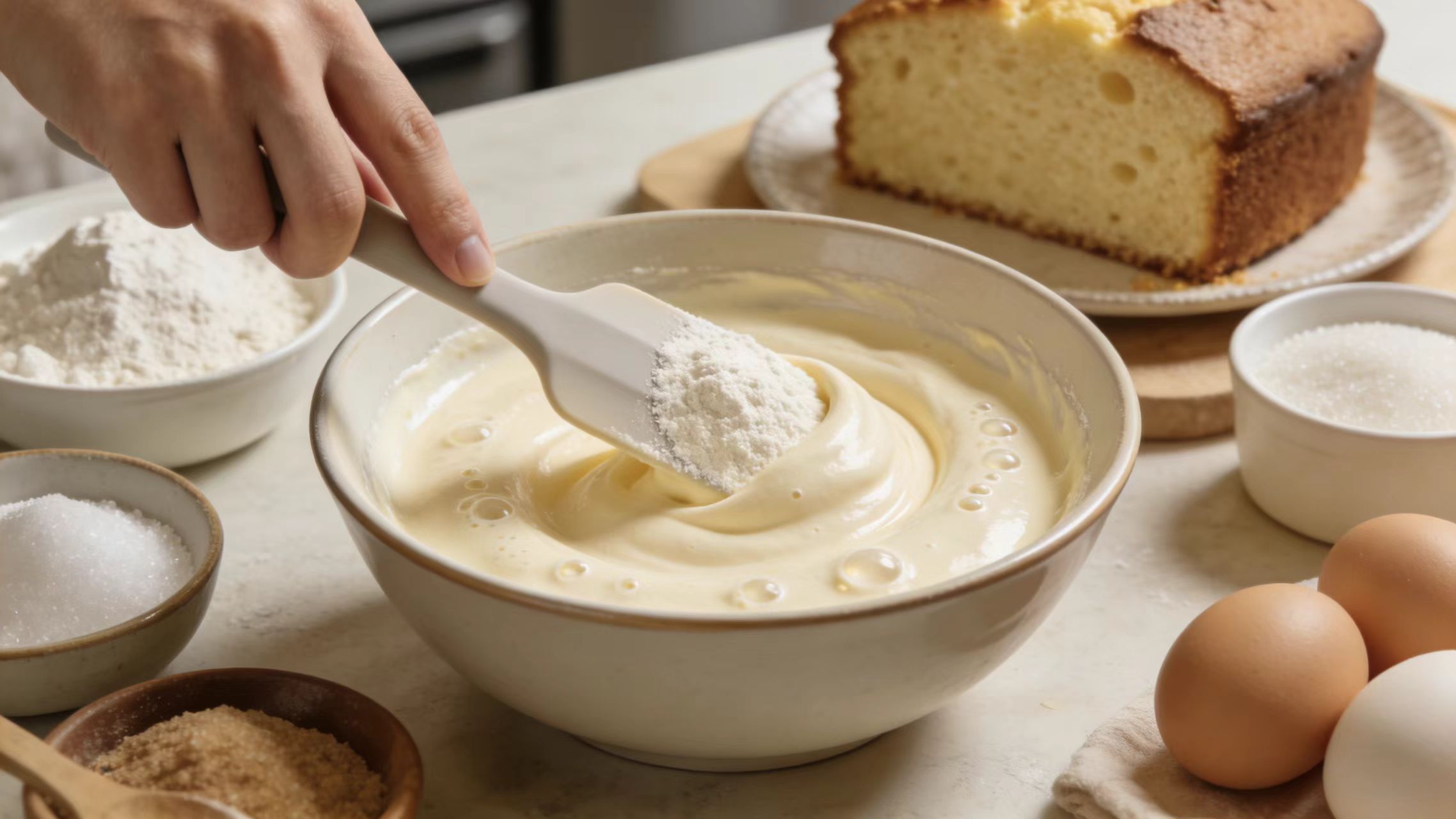
Bakery Applications: As a hydroxyl-rich polysaccharide and hydrophilic colloid, xanthan gum interacts with gluten proteins to form composite spatial networks, significantly improving gluten water retention and dough strength, thereby increasing baked goods' moisture retention, elasticity, softness, and shelf life. In cakes, 0.1-0.3% usage creates finer pores, softer texture, and extended shelf life; in bread, 0.1-0.2% addition provides softening and is particularly suitable for whole-grain varieties.
Due to its extremely high hydrophilicity, improper addition of xanthan gum directly to water without adequate mixing will cause outer-layer hydration and gel lump formation, preventing water penetration to inner layers and compromising functionality. Correct application techniques are crucial:
Standard Operating Procedure
- Blend one part xanthan gum with ten or more parts of other dry ingredients (flour, starch, sugar, MSG, salt, etc.)
- Gradually add the homogeneous dry mixture to stirring water
- Allow approximately two hours of soaking time, then continue stirring until complete dissolution
- Avoid direct addition to water to prevent gel lump formation
During dissolution, rapid surface swelling of xanthan gum particles forms viscous gel layers that may cause clumping and reduce overall dissolution rate, imposing certain application limitations. Currently, xanthan gum is frequently combined with starches for dry heat treatment to enhance viscosity, inhibit gelatinization, and improve thermal stability. Treatment of tapioca, corn, or potato starch with xanthan gum induces cross-linking between starch hydroxyl groups and xanthan gum carboxyl groups, modifying physicochemical properties.
Conclusions and Future Perspectives
As a microbial exopolysaccharide, xanthan gum is indigestible by the human body and low in calories, making it an excellent dietary fiber for functional food applications. However, the current production, R&D, and application of food-grade xanthan gum in China remain insufficiently advanced. Moving forward, continuous improvements are needed in production processes to enhance efficiency and product quality while reducing costs. Additionally, efforts should be intensified in R&D and expanding the application scope of xanthan gum products.


