

Ammonium Glyphosate: The Science-Backed Herbicide Transforming Weed Management
In the fight against invasive weeds, ammonium glyphosate has emerged as a game-changer for farmers, landscapers, and environmental managers worldwide. As a highly soluble and potent formulation of glyphosate, this herbicide delivers targeted weed control while supporting sustainable land use practices. Whether protecting crops, restoring natural habitats, or maintaining urban green spaces, ammonium glyphosate combines science and practicality. Let’s explore its properties, applications, and responsible usage.
What Is Ammonium Glyphosate?
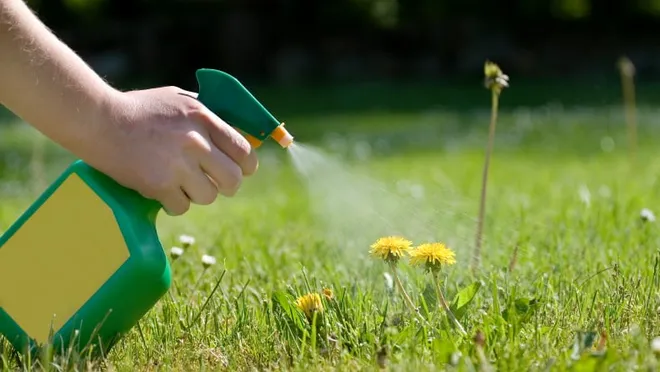
Ammonium glyphosate is the ammonium salt form of glyphosate, a systemic herbicide first commercialized in the 1970s. Its chemical formula, C₃H₈N·C₃H₈NO₅P, enhances water solubility compared to other glyphosate salts (e.g., isopropylamine), ensuring better absorption by plant foliage. This formulation is typically available as a liquid concentrate (e.g., 41% or 62% solutions) or ready-to-use sprays.
As a non-selective herbicide, ammonium glyphosate targets a wide range of broadleaf weeds and grasses by disrupting their metabolic pathways. Its versatility and rapid action make it a go-to solution for pre-planting and post-emergence weed control.
How Does Ammonium Glyphosate Work?
Ammonium glyphosate’s mode of action centers on inhibiting the EPSP synthase enzyme, a critical player in the shikimic acid pathway. Here’s the breakdown:
-
Absorption: Applied to leaves, it penetrates plant tissues and translocates to roots and growing points.
-
Enzyme Disruption: Blocks EPSP synthase, halting the production of aromatic amino acids (tyrosine, phenylalanine, tryptophan).
-
Systemic Collapse: Starved of essential proteins, plants yellow (chlorosis), wither, and die within 7–14 days.
This systemic action ensures complete root-to-tip eradication, minimizing weed regrowth.
Key Applications of Ammonium Glyphosate
From agriculture to urban maintenance, ammonium glyphosate’s uses span diverse sectors:
-
Agriculture:
-
Pre-Planting: Clears fields of weeds before sowing crops like corn, soybeans, and cotton.
-
No-Till Farming: Controls weeds without disturbing soil, preserving moisture and reducing erosion.
-
-
Horticulture:
-
Manages invasive species in orchards, vineyards, and nurseries.
-
-
Public Spaces:
-
Maintains roadsides, railways, and parks by eliminating unwanted vegetation.
-
-
Invasive Species Control:
-
Combats aggressive weeds like kudzu, ragweed, and poison ivy in natural ecosystems.
-
Advantages Over Other Herbicides
-
Superior Solubility: Ammonium salt formulation ensures faster foliar absorption and rainfastness within 2–6 hours.
-
Low Soil Activity: Degrades rapidly upon soil contact, reducing carryover risks for subsequent crops.
-
Cost Efficiency: Requires lower doses (e.g., 1–3 L/hectare) compared to older herbicides.
Safety and Environmental Considerations
While ammonium glyphosate is low in mammalian toxicity (rat oral LD50: >5000 mg/kg), responsible use is critical:
-
Ecological Impact: Avoid spraying near water bodies to protect aquatic life; glyphosate can harm amphibians and algae.
-
Resistance Management: Rotate with herbicides of different modes of action (e.g., 2,4-D) to prevent weed resistance.
-
Regulatory Compliance: Follow label instructions and local regulations (e.g., buffer zones near sensitive areas).
Why Choose Ammonium Glyphosate?
-
Broad-Spectrum Efficacy: Targets over 150 weed species, including glyphosate-resistant varieties when used with adjuvants.
-
Environmental Adaptability: Effective in diverse climates and soil types.
-
Time-Saving: Rapid results reduce labor costs for reapplication.