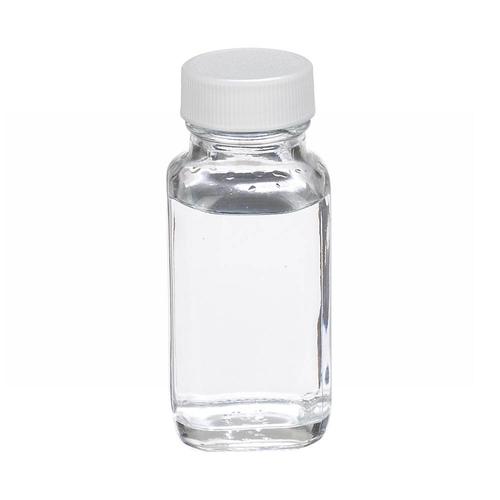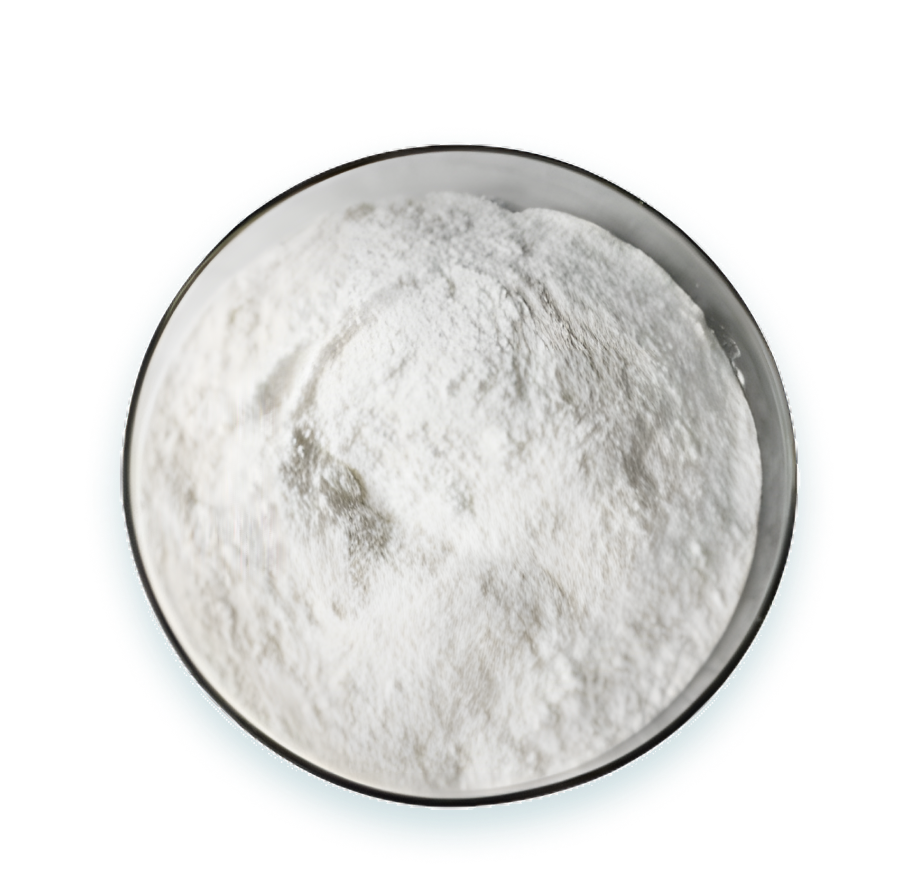







Ammonium glyphosate
MFa: C3H17N4O5P
EINECS No. 601-309-9
Ammonium glyphosate is a herbicidal compound derived from glyphosate, a broad-spectrum systemic herbicide.
It is the ammonium salt form of glyphosate, designed to enhance solubility and stability compared to other glyphosate formulations (e.g., isopropylamine or potassium salts). As a non-selective herbicide, it effectively targets a wide range of weeds and woody plants by disrupting essential metabolic pathways.


Mode of Action:
Ammonium glyphosate inhibits the 5-enolpyruvylshikimate-3-phosphate synthase (EPSPS) enzyme, a critical component in the shikimate pathway.
This pathway is responsible for synthesizing aromatic amino acids (tyrosine, phenylalanine, and tryptophan) in plants. By blocking EPSPS, it starves plants of these amino acids, leading to growth inhibition and eventual death.
Systemic Activity:
Ammonium glyphosate Absorbed through foliage and translocated to roots and other tissues, ensuring complete plant eradication.
Non-Selective:
Ammonium glyphosate Affects nearly all green plants, making it unsuitable for use near desirable crops unless applied with precision or paired with resistant genetically modified (GM) crops.

Ammonium glyphosate Agriculture:
Weed Control: Ammonium glyphosate Used in pre-planting or pre-emergence stages to clear fields of weeds.
GM Crops: Ammonium glyphosate Widely applied to glyphosate-resistant crops (e.g., soybeans, corn, cotton) for post-emergence weed management without harming the crops.
Orchards and Vineyards: Controls weeds between tree rows or vines.
Ammonium glyphosate Non-Agricultural Uses:
Industrial Areas: Manages vegetation along railways, roadsides, and power lines.
Urban Landscapes: Used in parks, gardens, and residential areas for spot treatment of invasive weeds.
Forestry: Aids in site preparation and invasive species control.
Ammonium glyphosate Desiccation: Occasionally applied pre-harvest to dry crops like cereals for uniform ripening.