

Raw Material Pitfalls: What Exactly Is the Difference Between Plant Powder and Plant Extract?
⚠️ Raw Material Pitfalls: What Exactly Is the Difference Between Plant Powder and Plant Extract?
But in the raw material industry, these two are completely different types of products in terms of production process, active ingredients, application performance, formula compatibility, and procurement cost. Choosing the wrong raw material not only affects the efficacy and stability of the finished product, but also unnecessarily raises production costs and may even cause the product to fail testing.
Today we will clarify once and for all the difference between plant powder and plant extract, helping you avoid pitfalls in formula selection.
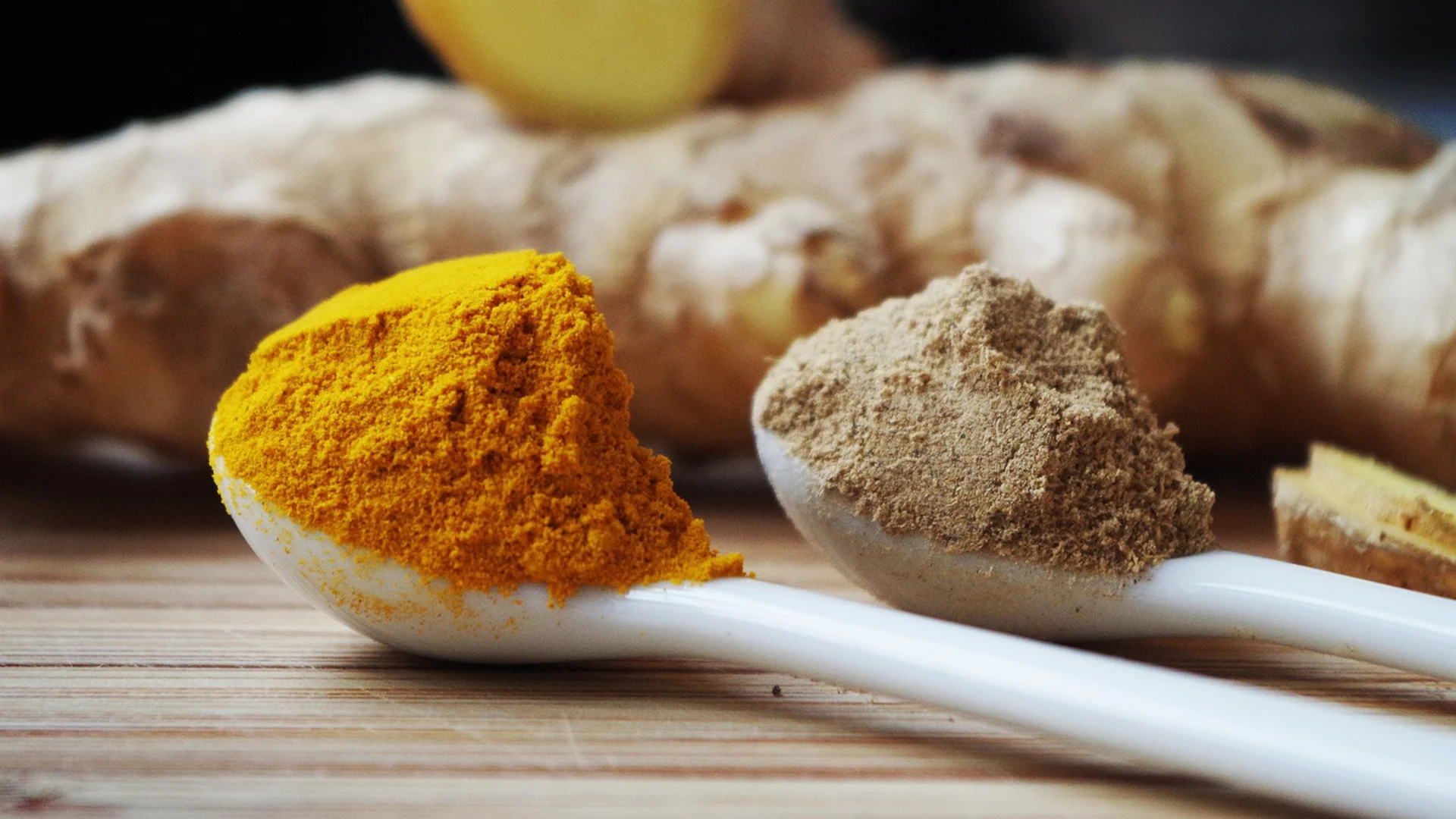
✅ Plant powder (plant raw powder): Simply put: after cleaning and drying the roots/stems/leaves/fruits of the plant, they are directly crushed and ground into fine powder. No extraction or separation is performed, and everything in the plant is retained: fiber, polysaccharides, ash, ineffective impurities; the active ingredients are only at the natural content of the plant itself.
Example: Kudzu root powder is made by drying kudzu root and grinding it directly into powder. Puerarin is only at the native content naturally contained in kudzu root, with no enrichment.
✅ Plant extract: Using plants as raw materials, through a series of processes such as water extraction/alcohol extraction, filtration, concentration, purification, and drying, the target active ingredients are separated and enriched. The content of target components can be increased as needed, and large amounts of plant fiber, residue, and other useless substances are removed.
Example: Using the same kudzu root raw material, puerarin extract can standardize puerarin content to specifications such as 5%, 10%, and 20%.
Plant Powder
Plant raw materials ground directly into fine powder.
Retains complete plant fiber and all native components.
Plant Extract
Components obtained by extracting and separating from plant raw materials.
Target active ingredients are highly enriched and purified.
1. Huge difference in active ingredient content
Plant powder: Low active ingredient content, with large fluctuations. Affected by origin, season, and harvest time, the content of active substances in each batch is unstable. A large portion consists of inert substances such as cellulose. Characteristics: complex composition, low activity.
Plant extract: Target components are standardized. Content can be customized according to customer requirements, with strong batch-to-batch stability. Most ineffective fiber is removed, and the concentration of active ingredients is greatly increased. Characteristics: concentrated active ingredients, controllable content.
👉 Formulation significance: To achieve the same efficacy, plant powder requires a very large addition level; extract requires only a small addition to reach the target activity.
2. Formula compatibility & solubility
Plant powder: Contains large amounts of crude fiber. Poor water solubility; when added to liquid formulas (beverages, essences, aqueous formulations), it easily causes turbidity, precipitation, and layering; in tablets, a large addition level also affects tableting. Its advantage is that it is suitable for solid tablets and meal replacement products.
Plant extract: Purified and impurity-removed. Water solubility/alcohol solubility can be adjusted according to the process, with few impurities and less tendency to precipitate. It is compatible with oral liquids, skincare essences, beverages, soft masks, and many other dosage forms, and the finished product has better appearance.
3. Cost logic, which many people misunderstand
Many purchasers see at first glance: plant powder has a lower unit price, extract is more expensive, so they directly choose plant powder to save money. This is the biggest misconception!
Plant powder has a low unit price, but its active ingredient content is extremely low. To achieve the same active effect, the addition level may need to be dozens of times higher, so the overall addition cost is actually higher, and it also occupies formula space.
Extract looks more expensive per unit, but its active ingredients are highly concentrated, and only a very small amount in the formula is needed to meet the target. When calculating the [cost per unit of active ingredient], extract is actually more cost-effective in many scenarios.
- Using kudzu root raw powder with a puerarin content of 0.2%, 500 g of kudzu root powder is needed;
- Using 20% puerarin extract, only 50 g of extract is needed.
Formula carrier space, excipients, and packaging costs will all change accordingly.
4. Testing and compliance risks
Plant powder: Belongs to ground plant material, with higher microbial and pesticide residue risks because all plant tissues are retained and impurities are numerous.
Plant extract: The extraction and purification process itself is a purification step and can remove some impurities. Products from regular factories can provide content test reports, facilitating finished product filing and submission for testing, with controllable product indicators.
At-a-Glance Comparison
| Comparison Dimension | Plant Powder | Plant Extract |
|---|---|---|
| Production process | Drying and direct crushing | Extraction, concentration, purification, drying |
| Active ingredients | Native content, low and fluctuating | Enriched and purified, standardized content |
| Solubility | Poor, prone to precipitation and layering | Controllable, few impurities, good stability |
| Usage characteristics | Large addition level, complex composition | Small addition, high activity |
III. How to choose? Based on product positioning
🔹 Scenarios suitable for choosing [plant powder]: Meal replacement powder, dietary solid beverages, roughly processed tablets; focusing on natural raw materials and high fiber, not pursuing high active ingredients, and formulas that allow the presence of large amounts of plant fiber.
🔹 Scenarios suitable for choosing [plant extract]: Functional beverages, oral liquids, skincare raw materials, functional tablets; products focusing on efficacy, requiring stable indicators, clear liquid systems, ingredient filing, and streamlined formulas.
Key point: The two have no absolute good or bad; it is only a matter of whether they fit the product positioning. If plant powder is used to replace extract in efficacy-oriented products, it is easy for efficacy to fall short of claimed indicators, creating hidden compliance risks.
In the natural raw material track, material selection cannot rely only on names. A difference of just one word represents completely different production logic, activity levels, and cost structures. Choosing the right raw material can both stabilize product quality and optimize formula costs, avoiding risks in testing and claims.