


Nystatin : a powerful antifungal weapon
Nystatin was found in the mycelium of Streptomyces noursei in 1950 and produced on an industrial scale by Squibb & Sons Co. in 1954. This antibiotic was used orally and topically as the first clinically applied polyene macrolide with antifungal properties. Nystatin shows activity against Candida and filamentous fungi and is used to treat Candida infections of the mouth, digestive organs, and vagina. The application of nystatin in combination with gentamicin and vancomycin to sterilize the gut in perioperation of bone-marrow transplantation has been developed recently.
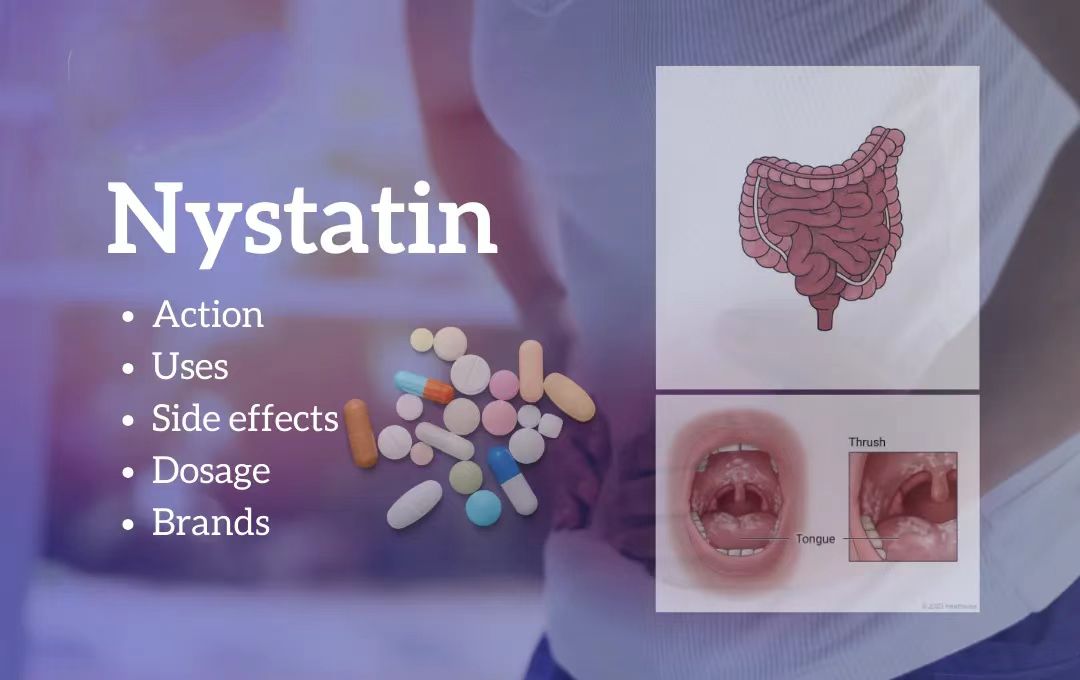
Nystatin was marketed in 1957 and became one of the important drugs in the field of antifungal therapy. Nystatin is a polyene broad-spectrum antifungal drug, which has strong effect on Candida, and also has good antibacterial activity against Cryptococcus, Aspergillus, Trichoderma and other fungi. Its mechanism of action is to bind with sterols on the cell membrane of fungi and change the permeability of the cell, leading to the leakage of amino acids, glucose and other important substances in the cell, thus inhibiting the growth of fungi. Nystatin has no therapeutic effect on deep systemic infections because it is hardly absorbed in the gastrointestinal tract.

What is nystatin used for
Nystatin is prescribed to prevent and treat fungal skin infections and oral thrush. If not treated, oral thrush can spread from your mouth to other parts of your body, which can be dangerous for your overall health. It also helps treat yeast infections in the stomach, mouth, toes, or anywhere on the skin. It protects against new fungal infections as well.
It is available as an ointment, suspension, and powder.
- Nystatin oral liquid is commonly used to treat certain fungal infections in your mouth, also called oral thrush.
- Nystatin oral tablet is commonly used to treat certain fungal infections in your digestive tract.
- Nystatin may also be used for other conditions as determined by your healthcare provider.
Nystatin side effects
Clinical application attention
2. The drug is ineffective for systemic fungal infections, treatment of candidiasis, the maximum effect is reached 24-72h after topical application of the drug.
3. In order to prevent recurrence, patients should be treated until the symptoms disappear and the bacterial culture becomes negative 48h.
4. When oral suspension is taken, the medicine can be contained for a long time or gargled, and then swallowed.
5. If irritation occurs during vaginal administration, stop the drug immediately.
6. Diarrhoea, nausea, vomiting and epigastric pain may occur with larger oral doses, but the symptoms may disappear rapidly after the dose is reduced or the drug is discontinued.
What is the contact information?


