

Magnesium Glycinate vs Magnesium Citrate vs Magnesium L-Threonate: What Is the Real Difference?
Not All Magnesium Supplements Work the Same
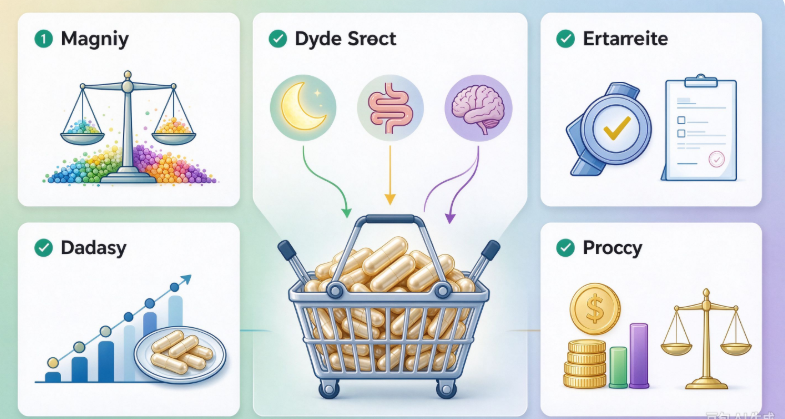
Here is a key principle: magnesium supplements are not pure elemental magnesium. Each product combines magnesium with a carrier molecule. This carrier controls three critical factors: how much magnesium your gut absorbs, where magnesium acts inside your body, and whether you get unwanted side effects.
It is similar to travelling to the same destination by high-speed train, car or bicycle. The delivery carrier shapes efficiency. If the carrier is poor, most magnesium will simply pass through your digestive tract without being utilised.
Research confirms huge gaps in bioavailability between different magnesium forms. Organic magnesium including glycinate and citrate generally absorbs far better than inorganic magnesium such as magnesium oxide. One randomised double-blind trial found magnesium citrate outperforms magnesium oxide and some amino acid chelated magnesium. Surveys on commercial products show magnesium oxide only has roughly 4% fractional absorption, ranking at the bottom. This means two supplements labelled with 200mg magnesium may deliver vastly different actual elemental magnesium to your body.
It is also important to note that robust head-to-head human trials directly comparing glycinate, citrate and L-threonate remain limited. Many online claims citing precise percentage gaps in absorption lack solid proof. What we can confirm: all three belong to high-bioavailability organic magnesium, superior to magnesium oxide, yet they serve different wellness purposes. When shopping for magnesium, the form matters as much as the elemental magnesium dosage.
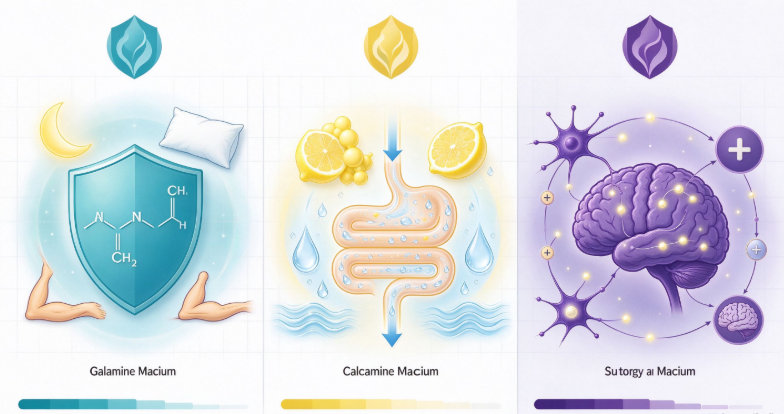
Choose magnesium glycinate if your priority is relaxation and sleep support. Magnesium glycinate is a chelate of magnesium and glycine, an amino acid. Its biggest strengths are reliable absorption and excellent gastrointestinal tolerance. Studies dating back to 1994 have verified its favourable absorption even among people with impaired intestinal absorption. It rarely triggers upset stomach or diarrhoea, making it friendly for sensitive guts.
Glycine itself acts as an inhibitory neurotransmitter that helps regulate mood and sleep quality. This is why magnesium glycinate is widely recommended for people under stress or struggling with poor sleep. We should stay objective: high-quality exclusive human trials focused solely on magnesium glycinate for sleep are still limited. Meta-analyses show magnesium supplementation overall can shorten sleep onset by around 17 minutes and ease insomnia severity in older adults, and it may relieve subjective anxiety. Magnesium glycinate offers a mild, well-tolerated way to get these benefits.
Choose magnesium citrate for affordable daily magnesium intake or occasional constipation relief. Magnesium citrate binds magnesium with citric acid. It dissolves easily in water, delivers mid-to-high absorption and usually carries a budget-friendly price tag. Great water solubility is its core advantage, unlike poorly soluble magnesium oxide. Multiple studies measuring serum magnesium and urinary magnesium excretion confirm its solid bioavailability.
Its well-known downside is osmotic laxative action. Unabsorbed magnesium and citrate draw extra water into the intestinal lumen, softening stool and stimulating bowel movement. Clinically, this property is used to treat constipation. At low doses, it works as a mineral supplement; at higher doses, it functions as a bowel stimulant.
Choose magnesium L-threonate if you focus on brain health and memory support with sufficient budget. Magnesium L-threonate combines magnesium with L-threonic acid. Animal research indicates it is uniquely capable of raising magnesium levels inside the brain. A 2010 study published in Neuron demonstrated that elevated brain magnesium improves synaptic plasticity, learning ability and memory in rodents. Later Alzheimer's disease mouse studies found magnesium L-threonate helps reduce beta-amyloid plaques, protects synapses and reverses cognitive deficits. Most common magnesium forms mainly boost magnesium in blood and peripheral tissues, while this variant is designed for brain delivery.
Human research shows promising results: one double-blind placebo-controlled trial reported improved cognitive markers in older adults with declining cognition, and another trial on healthy Chinese adults also noted cognitive benefits. Caveat: these human studies involve industry funding and small sample sizes. Independent large-scale trials are still needed to validate its effects. It is promising but not conclusively proven.
Quick Comparison Table Comparison
| Feature | Magnesium Glycinate | Magnesium Citrate | Magnesium L-Threonate |
|---|---|---|---|
| Absorption | High, gut-friendly | Medium-high, water-soluble | High, preferentially elevates brain magnesium |
| Gut reaction | Mild, low diarrhoea risk | Laxative effect at higher doses | Mild |
| Primary use | Relaxation, sleep, long-term daily supplementation | Daily replenishment, occasional constipation aid | Brain health, cognitive and memory support |
| Evidence status | Moderate overall magnesium evidence | Strong bioavailability data | Strong animal data, limited human evidence |
| Price | Mid-range | Low | High |
| Ideal users | Poor sleep, stress, sensitive stomach | Cost-conscious, occasional constipation | Cognitive concerns, sufficient budget |
5 Practical Rules to Buy Magnesium Supplements Buying Guide
Check elemental magnesium content instead of total compound weight. A 2000mg serving of magnesium glycinate does not equal 2000mg magnesium. Always confirm the labelled elemental magnesium per serving.
Select the form based on your needs: glycinate for sleep and sensitive gut, citrate for budget and constipation, L-threonate only for cognitive goals. Do not pay extra for functions you do not need.
Look for third-party testing and GMP certification. For imported goods, you may check GRAS safety assessment records.
Start low and increase gradually. Take magnesium with meals and watch for gastrointestinal responses.
Do not equate high price with better suitability. Cheap magnesium oxide wastes money due to ultra-low absorption, while premium L-threonate is unnecessary for basic magnesium deficiency.
Important safety reminder: magnesium interacts with certain antibiotics, osteoporosis medications and thyroid treatments. If you take long-term prescription drugs, seek professional medical advice before supplementation.
📌 Closing Remarks
There is no universal "best" magnesium form. Magnesium glycinate suits sleep and relaxation, magnesium citrate works well for budget users and constipation, and magnesium L-threonate targets cognitive health for those who can afford it.
Supplements are not the first step. Prioritise dietary sources of magnesium such as leafy greens, nuts and whole grains if you suspect low magnesium intake.
Which magnesium form are you taking now? Would you switch after reading this guide? Visit our website www.ruizelinbio.com to share your thoughts.