


Fish Oil, Glucosamine, Curcumin: Which Nutrients Really Help Arthritis?
Fish Oil, Glucosamine, Curcumin: Which Nutrients Really Help Arthritis?
Joint discomfort affects more and more people. Faced with a wide array of joint nutritional supplements on the market, how should we choose? Which ones are truly effective, and which are just placebos? This article will clear the fog and scientifically analyze those popular "joint guardians."
Key Takeaways
- Joint pain ≠ Arthritis. Weight management, regular exercise, and health education are the most effective foundational measures for controlling osteoarthritis.
- Regarding nutritional supplements: Fish oil (Ω-3) and high-quality collagen peptide supplementation might offer slight help; Vitamin D, Glucosamine, Curcumin, etc., have limited or mixed evidence.
- Never blindly supplement with health care products. A balanced diet, quitting smoking, limiting alcohol, and maintaining moderate exercise are the keys to protecting your joints.
Foundation: Three Things More Important Than Any Supplement
Before delving into supplements, we must establish a core premise: Joint pain is not equivalent to arthritis. Joint problems have complex causes. It's essential to first get a clear diagnosis from a doctor to determine whether it's osteoarthritis, rheumatoid arthritis, gout, or something else.
For the most common osteoarthritis, all international authoritative guidelines primarily recommend the following three most effective and economical basic measures. They are the "foundation" of joint health:
- Weight Management: Weight loss is the most direct way to reduce the load on joints. Research shows that losing 5% of body weight can show improvement, and losing 10% can significantly relieve pain and improve function.
- Regular Exercise: Strengthening the muscles around the joints provides better support and protection for the joints.
- Health Education: Understanding the disease and establishing correct lifestyle and exercise habits.
On the basis of doing the above three points well, we can then examine the role of nutritional supplements.
In-Depth Analysis of Popular Supplements
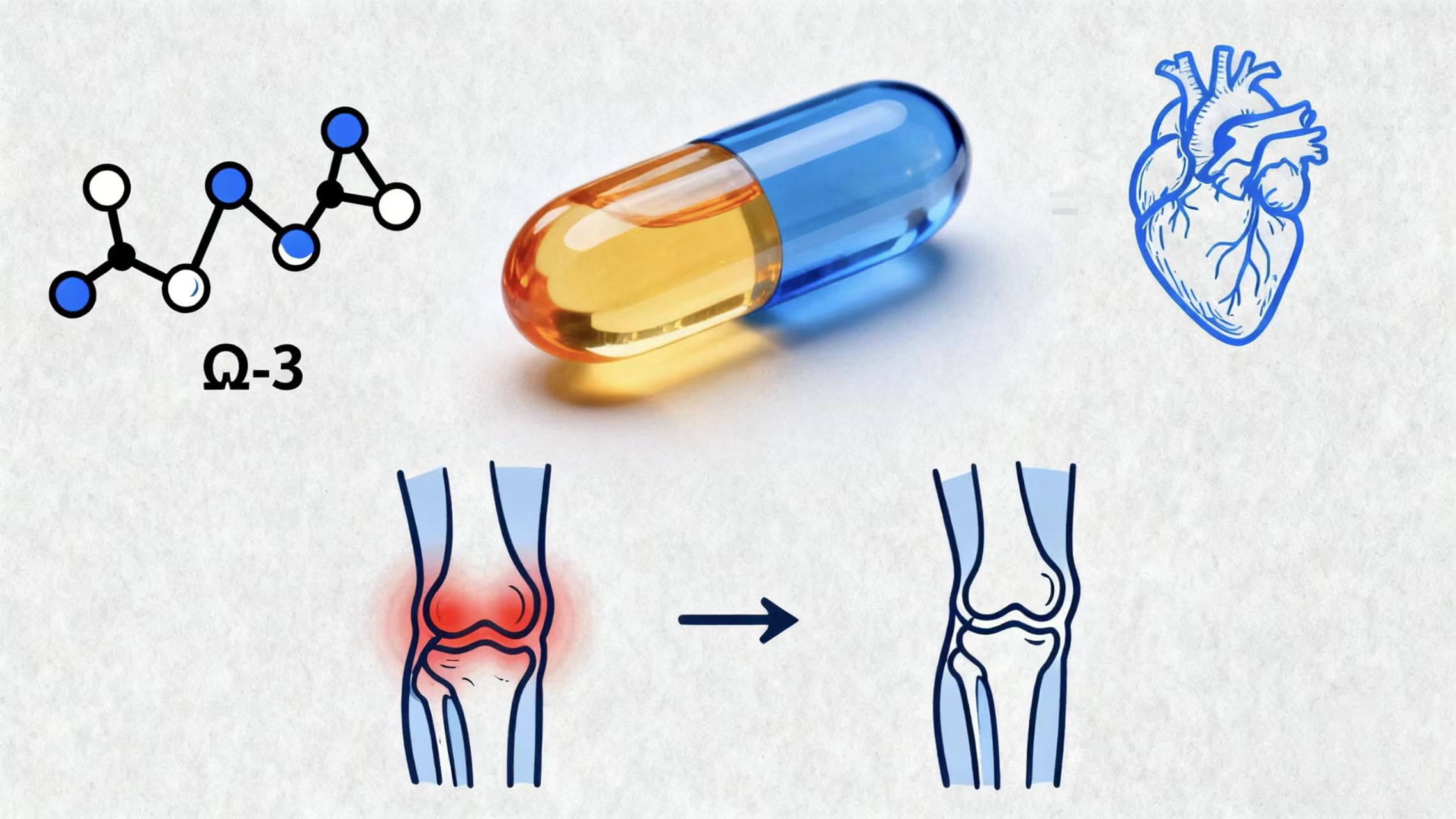
1. Fish Oil (Ω-3 Fatty Acids) — The "Anti-inflammatory Player" with the Strongest Evidence
Mechanism of Action: Ω-3 fatty acids (especially EPA and DHA) are famous anti-inflammatory nutrients. They can help balance the body's inflammatory response, thereby alleviating swelling and pain symptoms in inflammatory joint diseases like rheumatoid arthritis. For osteoarthritis, although the main issue is "wear and tear," it is often accompanied by low-grade inflammation.
Evidence Strength: Medium to Strong. There is a substantial body of research supporting that fish oil clearly helps relieve joint pain and morning stiffness, and it is also beneficial for cardiovascular health.
Recommendation: Worth trying. Whether it's fish oil or krill oil, choose products with high purity and low contaminants. The benefits of supplementing with fish oil may be greater for inflammatory joint issues.
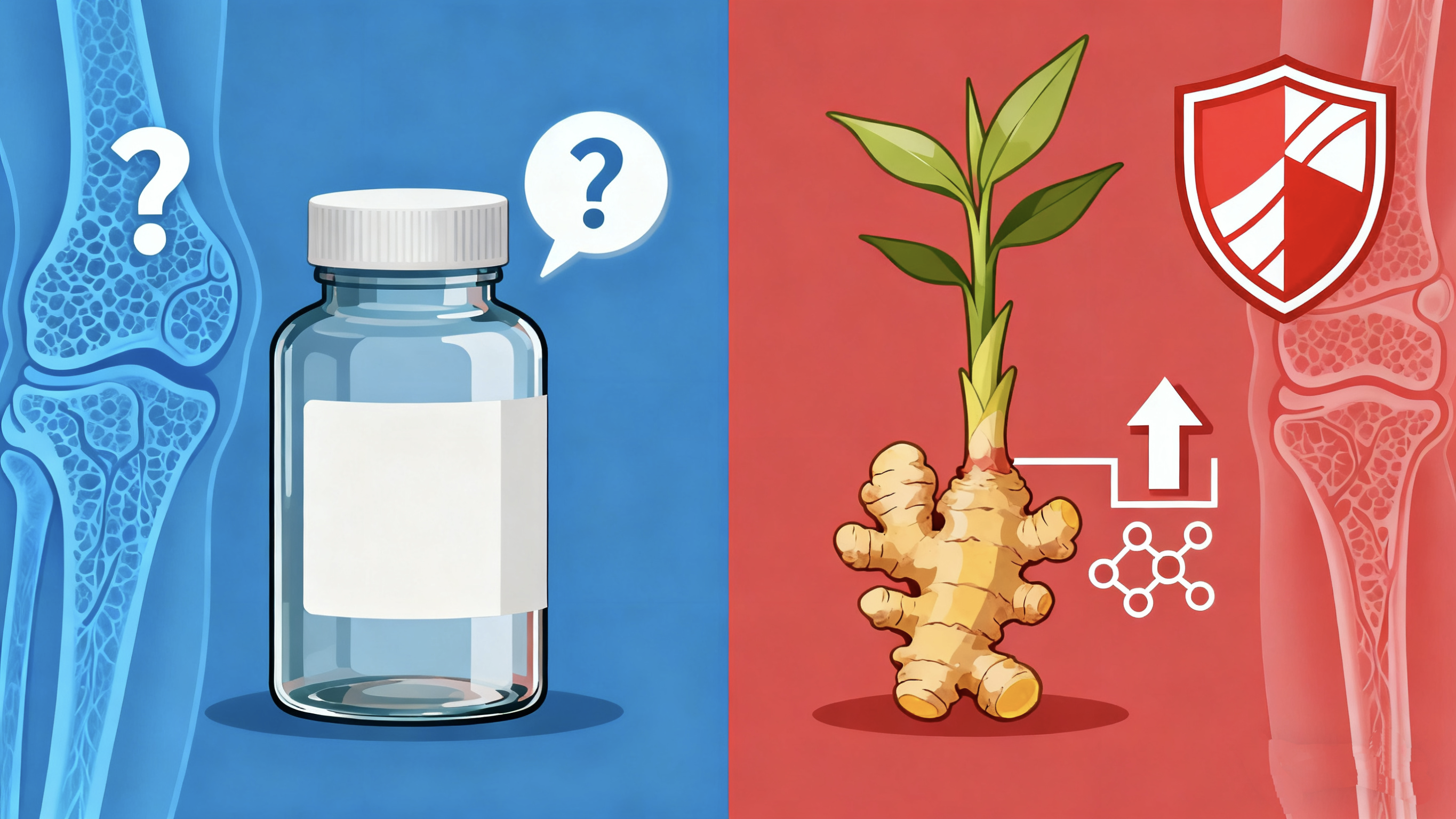
2. Glucosamine — The Most Controversial "Cartilage Repair Agent"
Mechanism of Action: Glucosamine is an important nutrient for forming cartilage cells, theoretically providing "raw materials" for cartilage repair.
Evidence Strength: Inconsistent and highly controversial.
- Most large-scale studies have found it no more effective than a placebo.
- Some studies suggest that prescription-grade glucosamine sulfate (not the supplement grade), especially when combined with chondroitin, might slightly alleviate moderate to severe pain.
- International guidelines disagree: The European Society for Clinical and Economic Aspects of Osteoporosis and Osteoarthritis (ESCEO) tends to support it, while the Osteoarthritis Research Society International (OARSI) tends not to recommend it.
Recommendation: No need to specifically spend money to try it. However, if you are already taking it and feel it's effective, given its relatively high safety profile, you can continue using it. Consumers should note that most commercially available products are glucosamine hydrochloride or non-prescription glucosamine sulfate, whose purity and effects differ from prescription drugs.
3. Curcumin — The Promising "Natural Anti-inflammatory"
Mechanism of Action: Curcumin is the core active ingredient in turmeric, possessing powerful anti-inflammatory and antioxidant properties. Its mechanism of action is similar to some anti-inflammatory drugs.
Evidence Strength: Preliminary but promising. There are already some short-term, small-sample studies showing that curcumin supplements can effectively relieve pain in osteoarthritis, with effects possibly comparable to some NSAIDs. However, the quality and scale of the research need improvement.
Special Note: Choosing high-quality products is crucial! Curcumin has poor absorption, so it's best to choose products that use solubility enhancement technologies (like combination with piperine). Also, the market has previously reported lead contamination in turmeric products, so be sure to purchase from reliable sources.
4. Collagen Peptides — The "Building Material" for Joints
Mechanism of Action: Collagen is the main component of cartilage, tendons, and ligaments. Small-molecule collagen peptides are believed to be more easily absorbed and may stimulate the body's own collagen synthesis and inhibit cartilage breakdown.
Evidence Strength: Slightly effective. Research shows that continuous supplementation with collagen peptides has a slight effect on improving joint pain. Although the effect is small, it is statistically significant.
Recommendation: Can be used as an auxiliary method, especially when combined with strength training, where the effect might be better.
Other Supplements: Brief Evaluation
- Vitamin D: For patients who already have structural damage from arthritis, supplementing with Vitamin D has been proven ineffective. But if you are deficient yourself, you should still supplement, just don't expect it to treat arthritis.
- Vitamin K & Vitamin C: Not recommended as a treatment for arthritis. Vitamin C has a mild uric acid-lowering effect, but it is far from being a substitute for gout treatment. Adequate intake through a balanced diet (eating more leafy greens and fruits) is sufficient.
Summary and Action Guide
To help you see clearly at a glance, we have created the following decision table:
| Supplement | Recommendation | Evidence Strength | Core Action | Notes |
|---|---|---|---|---|
| Fish Oil (Ω-3) | Medium to Strong | Anti-inflammatory, pain relief | More effective for inflammatory arthritis, also benefits cardiovascular health | |
| Curcumin | Preliminary, promising | Anti-inflammatory, antioxidant | Must choose high-bioavailability, uncontaminated products | |
| Collagen Peptide | Slightly effective | May promote cartilage repair | Better effect when combined with exercise, requires long-term adherence | |
| Glucosamine | Inconsistent, controversial | Theoretical cartilage nutrition | Effect varies by person, no need to try as priority | |
| Vitamin D | Ineffective (for treatment) | Bone health | Only recommended for deficient individuals, not effective for arthritis itself |

Final Advice
- Lay the Foundation First: Don't put the cart before the horse. Before considering any supplements, first implement weight loss, exercise, and healthy eating. Quitting smoking, limiting alcohol, and controlling sugar intake are crucial for joint health.
- Consult a Doctor or Nutritionist: Before starting any supplement, especially if you are taking other medications, consult a professional.
- Manage Expectations: Nutritional supplements are not drugs. Their role is more about "auxiliary relief" and "nutritional support." They cannot reverse joint damage. They are the icing on the cake for your joint health, not a lifesaving straw in a emergency.
We hope this article helps you make more informed and economical choices, using science to protect your joint health!


