


Discover Magnesium Glycinate: Your New Energy and Relaxation Partner
What is Magnesium Glycinate?
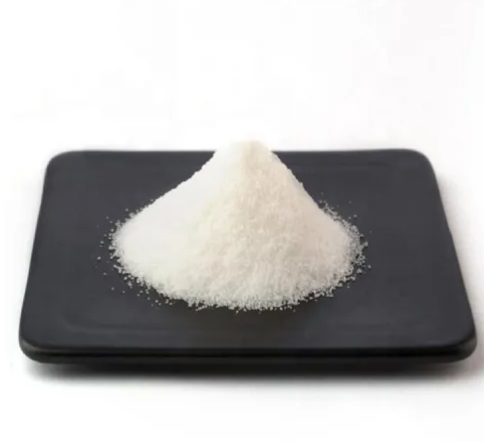
Magnesium glycinate is a highly bioavailable form of magnesium, where magnesium is chelated with glycine, an amino acid. This combination enhances the mineral's absorption in the body while providing a calming effect. Magnesium itself is essential for over 300 biochemical reactions, including energy production, nerve function, and muscle relaxation. Magnesium glycinate is particularly valued for its gentle effect on the stomach, making it an ideal choice for those seeking to supplement magnesium without the laxative effects associated with other forms like magnesium citrate.
What is Magnesium Glycinate Good For?
Magnesium glycinate offers numerous health benefits due to its high absorption rate and calming properties. It is widely used to support mental and physical well-being. Key benefits include:
-
Reducing Anxiety and Stress: Glycine, as a neurotransmitter, promotes relaxation and reduces nervous excitement.
-
Supporting Bone Health: Magnesium plays a critical role in bone formation and density.
-
Improving Heart Health: It helps maintain a regular heartbeat and supports cardiovascular function.
-
Enhancing Muscle Function: Magnesium glycinate alleviates muscle cramps and spasms by regulating muscle contractions.
-
Boosting Cognitive Function: It may improve memory and focus by supporting brain health.
Does Magnesium Glycinate Help You Sleep?
Of all the questions surrounding magnesium supplements, this is one of the most common. The short answer is yes, magnesium glycinate is widely recognized as one of the most effective forms of magnesium for improving sleep quality.

Here’s a detailed look at how and why it works so well for sleep:
The Science Behind Magnesium Glycinate and Sleep
Magnesium glycinate aids sleep through a powerful two-part mechanism:
-
The Power of Magnesium: Magnesium itself is a crucial mineral for sleep regulation. It plays a key role in:
-
Regulating Neurotransmitters: It helps calm the nervous system by binding to GABA receptors. GABA (gamma-aminobutyric acid) is the primary neurotransmitter responsible for quieting nerve activity, promoting relaxation, and preparing the brain for sleep.
-
Managing the Stress Response: Magnesium helps regulate the body's hypothalamic-pituitary-adrenal (HPA) axis, which controls the stress response. By keeping the stress hormone cortisol in check, it prevents the hyperarousal that can keep you awake at night.
-
Maintaining Healthy Circadian Rhythms: It supports the proper function of your body's internal clock.
-
-
The Added Benefit of Glycine: This is what sets magnesium glycinate apart. Glycine is a calming amino acid that itself functions as a neurotransmitter. Studies have shown that glycine:
-
Lowers core body temperature, a natural physiological change that signals the body it's time to sleep.
-
Promotes a sense of calmness and reduces anxiety by modulating serotonin levels.
-
Improves sleep quality by supporting deeper, more restorative REM sleep and reducing the time it takes to fall asleep.
-
When is the Best Time to Take Magnesium Glycinate?
Optimizing your supplement routine isn't just about what you take—it's also about when you take it. For magnesium glycinate, a supplement renowned for its high absorption and calming properties, timing can significantly enhance its targeted benefits. The best time to take magnesium glycinate ultimately depends on your specific health goals, but it is most commonly and effectively taken in the evening, 30-60 minutes before bedtime.


