


Agar-Nature's Versatile Gelling Agent
Agar : Nature's Versatile Gelling Agent
Agar, also known as agar-agar, is a natural hydrocolloid extracted from red algae (primarily species of Gelidium and Gracilaria). For centuries, this remarkable substance has been prized for its exceptional gelling, thickening, and stabilizing properties. Today, agar powder serves as an indispensable ingredient across multiple industries, from food and pharmaceuticals to cosmetics and biotechnology.
Did you know? Agar was discovered in Japan around 1658 and has been used in Asian cuisine for over 300 years. Its name comes from the Malay word "agar-agar," meaning "jelly."
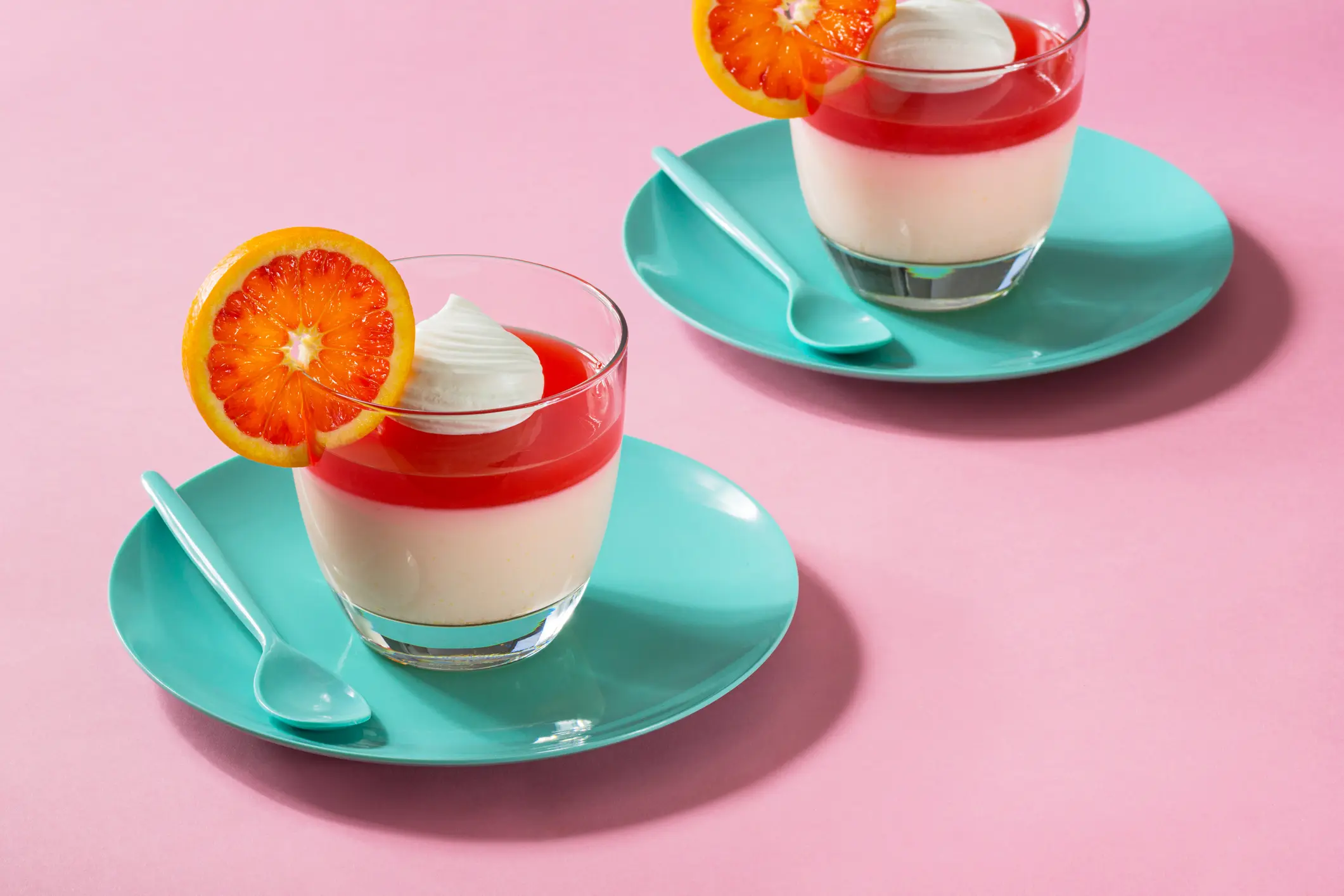
Agar is a complex polysaccharide composed of two main components:
- Agarose: The gelling component (approximately 70% of agar) - a linear polymer of alternating D-galactose and 3,6-anhydro-L-galactopyranose
- Agaropectin: The non-gelling component (approximately 30% of agar) - a heterogeneous mixture of smaller molecules containing sulfate esters, D-glucuronic acid, and pyruvic acid
This unique composition gives agar its remarkable properties, including the ability to form thermoreversible gels that melt at high temperatures (85-95°C) and solidify at much lower temperatures (32-45°C).
Agar is extracted from various species of red algae through a multi-step process:
- Harvesting: Red algae are collected from coastal waters, primarily in Asia (Japan, Korea, China), South America, and Morocco
- Cleaning & Washing: Algae are thoroughly cleaned to remove impurities
- Extraction: Hot water extraction under controlled conditions
- Filtration: Removal of algal residues
- Gelation & Freezing: The extract is gelled and frozen to separate agar from water
- Thawing & Drying: Frozen blocks are thawed, and water is pressed out, followed by drying and milling into powder
- High Gelling Strength: Forms firm, brittle gels at concentrations as low as 0.5-2%
- Thermoreversible Gels: Melts at 85-95°C and sets at 32-45°C (wide hysteresis)
- Syneresis Resistance: Minimal water release from gels during storage
- Heat Stability: Stable at high temperatures during processing
- pH Stability: Functions well in a pH range of 4.5-8.5
- Low Caloric Value: Only 3 kcal/g, considered a dietary fiber
- Vegan & Vegetarian Friendly: Plant-based alternative to animal-derived gelatins
- Non-toxic & Safe: Generally recognized as safe (GRAS) by FDA

| Property | Agar | Gelatin | Carrageenan | Pectin |
|---|---|---|---|---|
| Source | Red algae | Animal collagen | Red algae | Fruits |
| Gel Type | Thermoreversible | Thermoreversible | Thermoreversible | Thermoreversible (HM) / Non-reversible (LM) |
| Melting Point | 85-95°C | 35-40°C | 55-65°C | Varies by type |
| Setting Point | 32-45°C | 15-25°C | 40-50°C | Varies by type |
| Vegan/Vegetarian | Yes | No | Yes | Yes |
| Allergen Risk | Low | Medium | Low | Low |
Industrial Applications
Confectionery: Gelling agent in jellies, marshmallows, gummy candies
Bakery: Stabilizer in icings, glazes, fillings
Dairy: Texture improver in yogurt, cheese, desserts
Meat & Seafood: Binder in processed meat products
Vegetarian Products: Gelatin substitute in vegan foods
Culture Media: Solidifying agent for bacterial and fungal cultures
Molecular Biology: Gel medium for electrophoresis (agarose gels)
Tissue Culture: Support matrix for plant tissue culture
Immobilization: Matrix for enzyme and cell immobilization
Tablet Manufacturing: Binder and disintegrant
Capsule Production: Vegetarian capsule shells
Controlled Release: Matrix for sustained drug delivery
Laxatives: Bulk-forming laxative due to high fiber content
Wound Dressings: Hydrogel component
Skincare: Thickener in creams, lotions, and gels
Hair Care: Styling agent in gels and mousses
Dental Care: Impression material in dentistry
Natural Formulations: Clean-label ingredient for natural cosmetics
Technical Specifications & Grades
| Parameter | Food Grade | Pharmaceutical Grade | Microbiological Grade |
|---|---|---|---|
| Gel Strength (1.5%) | 600-900 g/cm² | 700-1000 g/cm² | 800-1200 g/cm² |
| Moisture Content | ≤15% | ≤12% | ≤10% |
| Ash Content | ≤6.5% | ≤5.0% | ≤3.5% |
| Acid Insoluble Ash | ≤0.5% | ≤0.3% | ≤0.2% |
| Heavy Metals (Pb) | ≤5 ppm | ≤2 ppm | ≤1 ppm |
| Microbial Count | ≤5000 CFU/g | ≤1000 CFU/g | ≤100 CFU/g |
| E. coli | Absent in 1g | Absent in 1g | Absent in 1g |
| Salmonella | Absent in 25g | Absent in 25g | Absent in 25g |
- Powder: Fine to coarse powder (80-200 mesh)
- Flakes: Irregular flakes for specific applications
- Bars/Strips: Traditional form for home cooking
- Packaging Options: 1kg, 5kg, 10kg, 25kg bags with inner liner
- Custom Blends: Available with other hydrocolloids as per formulation requirements
Store in a cool, dry place away from direct sunlight and moisture. Keep in tightly sealed containers to prevent moisture absorption. Shelf life: 2-3 years when stored properly.
Premium Agar Powder from RUI ZELIN
As a leading supplier of natural ingredients, RUI ZELIN provides high-quality agar powder that meets the diverse needs of food, pharmaceutical, cosmetic, and biotechnology industries.
Sourced from sustainable red algae cultivation, no chemical modification
ISO, HACCP, Kosher, Halal, Organic (available), GMP compliant
Rigorous quality control with batch-to-batch consistency
Reliable worldwide distribution with flexible quantities
Why Choose RUI ZELIN Agar Powder?
- Superior gelling strength and clarity
- Customized solutions for specific applications
- Technical support and formulation assistance
- Competitive pricing without compromising quality
- Complete documentation and regulatory support
Contact us today for technical specifications, samples, and pricing information!
Agar continues to be a vital ingredient in modern industry, offering natural, sustainable, and functional solutions for gelling, thickening, and stabilizing applications. Its unique properties and versatility make it an essential component in both traditional and innovative formulations.


