


Inulin-The Versatile Prebiotic Fiber Revolutionizing Gut Health and Beyond
What Is Inulin?
Inulin is a naturally occurring soluble dietary fiber classified as a fructan—a polymer of fructose molecules linked by β-(2→1) bonds. It is found in over 15% of flowering plants, including chicory root, Jerusalem artichokes, garlic, and agave. Industrially, inulin is extracted primarily from chicory root (Cichorium intybus), where it serves as an energy storage carbohydrate.
Key Properties:
-
Structure: Ranges from short-chain (DP 2–10) to long-chain (DP 10–60) polymers, influencing its solubility and fermentability.
-
Function: As a prebiotic, it resists digestion in the upper gut and ferments in the colon, selectively feeding beneficial bacteria like Bifidobacterium and Lactobacillus.
-
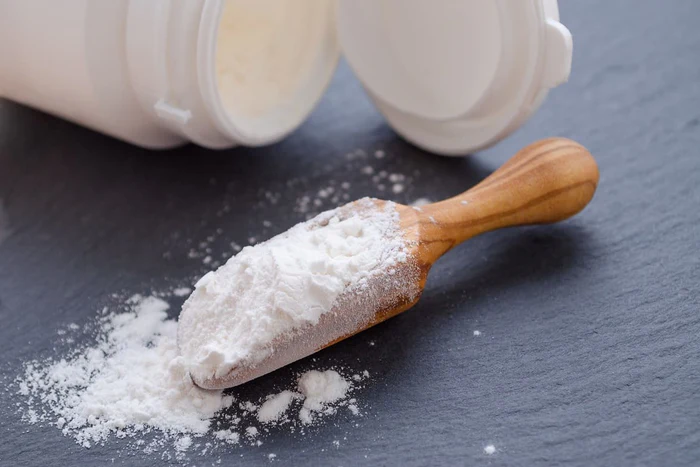
Commercial Forms: Sold as a white powder or liquid concentrate, often labeled as "chicory root fiber" or "prebiotic fiber.
What Is Inulin Used For?
Inulin’s unique functional properties make it a powerhouse across industries:
-
Food & Beverage:
-
Probiotic Booster: Enhances gut-healthy bacteria in yogurts, fermented drinks, and synbiotic products (e.g., ITF-fortified dessert bars).
-
Fat/Sugar Substitute: Provides creaminess in dairy alternatives and reduces sugar in baked goods (30% calorie reduction).
-
Texture Modifier: Improves mouthfeel in gluten-free breads and sauces.
-
-
Healthcare & Pharmaceuticals:
-
IBD Therapy: Nano-encapsulated with probiotics (e.g., Bifidobacterium) to reduce colon inflammation and extend gut retention.
-
Kidney Protection: Counters mycotoxin-induced kidney damage by modulating gut microbiota and boosting short-chain fatty acids (SCFAs).
-
Psoriasis Relief: Inulin-type fructans from herbs like Atractylodis Macrocephalae suppress skin inflammation via the PI3K/AKT pathway.
-
-
Weight Management:
-
Appetite Control: Inulin-propionate ester (a derivative) stimulates satiety hormones (PYY, GLP-1), reducing calorie intake by 14% in clinical trials4.
-
-
Research Tools:
-
Fluorescent Probes: FITC-labeled inulin tracks polysaccharide absorption in cellular studies
-
What Foods Contain Inulin?
While natural sources include garlic, asparagus, and bananas, commercial inulin extracts dominate the market. Here’s a breakdown:
| Source | Extract Type | Market Share | Key Features |
|---|---|---|---|
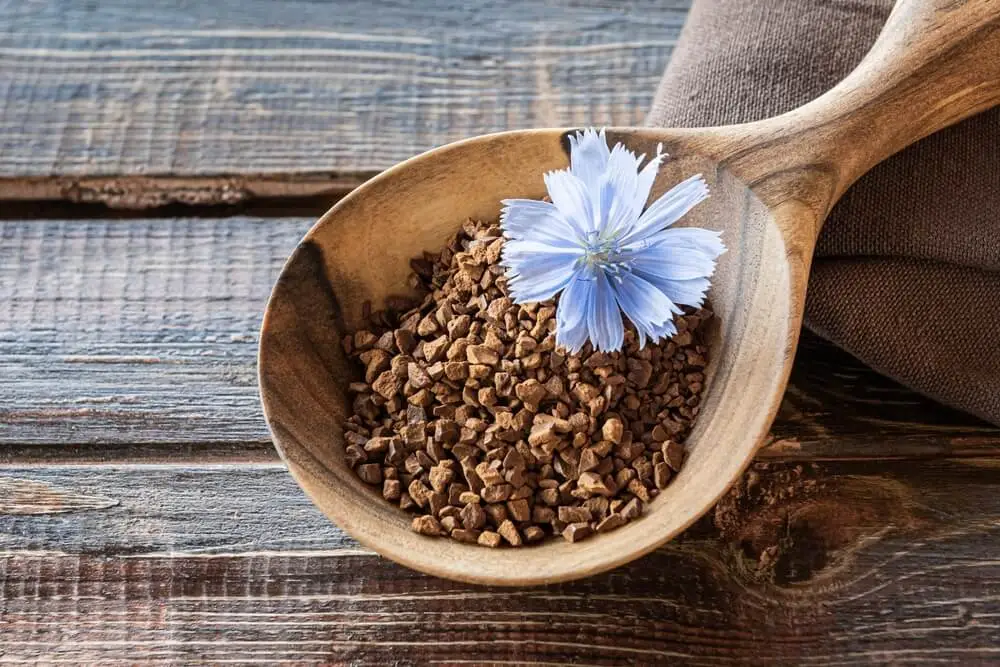
| Chicory Root | High-purity powder (≥90% inulin) | 70% | Long-chain DP; superior gelling, low glycemic index |
| Jerusalem Artichoke | Conventional powder | 30% | Short-chain DP; sweeter, faster fermentation |
| Agave | Organic liquid/syrup | <5% | Mild flavor; used in tequila alternatives |
| TCM Herbs (e.g., Huangjing) |
Agavin-type fructan | Emerging | Branched structure; energy + disease prevention6 |
Top-Selling Extract:
Chicory root inulin (e.g., Orafti® by Beneo) is the market leader, valued for:
-
Functional Performance: Heat-stable, neutral taste, and high solubility.
-
Dominant Brands: Beneo, Sensus, and Cosucra capture 60% of the global market.


