








Chymosin


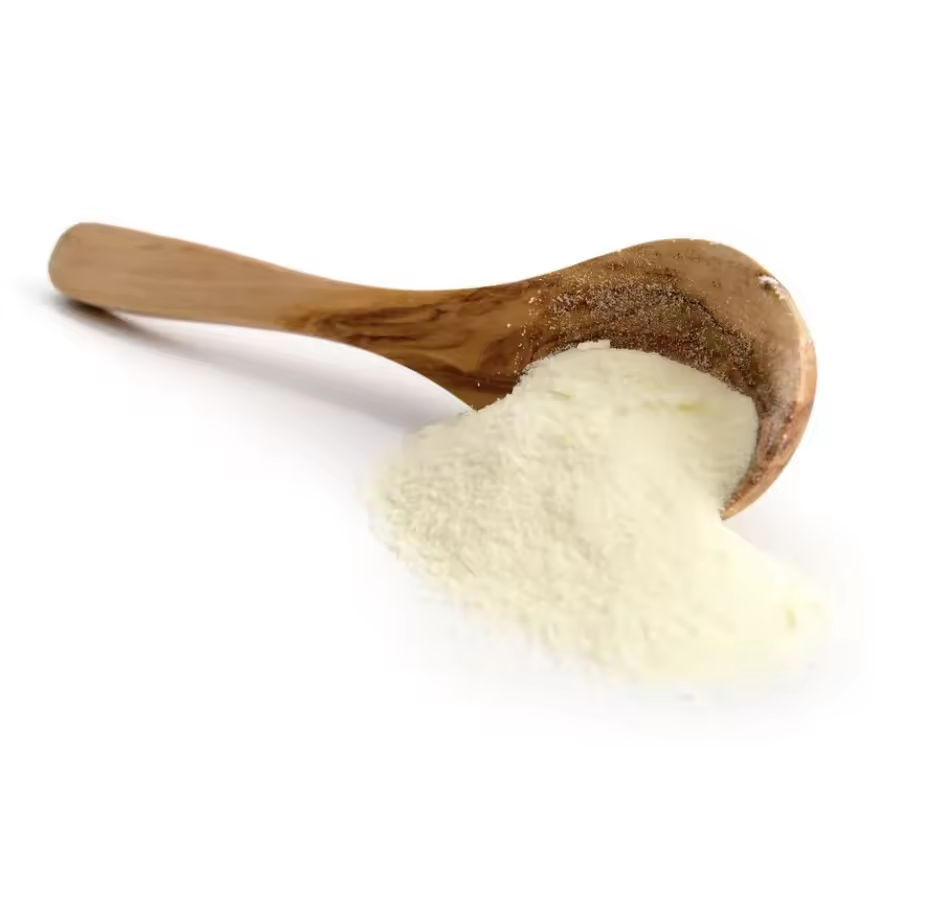
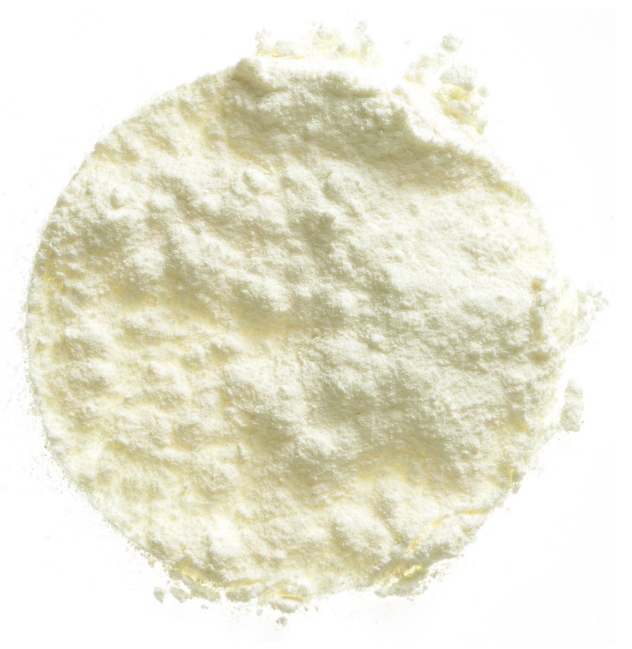
Chymosin, also known as rennin, is a protease enzyme primarily found in the stomachs of young ruminants, such as calves and lambs.
It plays a pivotal role in the dairy industry by specifically cleaving κ-casein in milk, initiating coagulation—a critical step in cheese production.
Casein-Specific Cleavage
Chymosin selectively hydrolyzes the Phe105-Met106 bond in κ-casein, destabilizing milk micelles and triggering the formation of curds while releasing whey. This specificity ensures optimal texture and yield in cheese.High Catalytic Efficiency
Compared to other proteases (e.g., pepsin), Chymosin exhibits superior activity in acidic environments (pH 4.0–6.5), making it ideal for controlled curdling in industrial cheese manufacturing.Biocompatibility and Safety
Both natural and recombinant Chymosin are non-toxic, residue-free, and compliant with global food safety standards, ensuring consumer trust and regulatory approval.

Dairy Industry
Cheese Production: Chymosin is indispensable for manufacturing cheeses like Cheddar, Mozzarella, and Gouda. Recombinant Chymosin (e.g., Chy-Max® or Maxiren®) dominates modern production due to consistency and scalability.
Curd Quality Control: Chymosin enables precise control over curd firmness and syneresis, enhancing product uniformity.
Food Innovation
Whey Protein Processing: Whey byproducts from Chymosin-driven coagulation are processed into protein powders, nutritional supplements, and functional ingredients.
Biotechnology & Sustainability
Enzyme Engineering: Genetic modification of Chymosin improves thermal stability or activity for niche applications.
Vegetarian & Halal Compliance: Microbial-derived Chymosin meets dietary preferences (vegetarian, kosher, halal), expanding market reach.
Eco-Friendly Practices
Animal Welfare: Recombinant Chymosin reduces reliance on calf stomachs, aligning with ethical and sustainable sourcing trends.
Cost Efficiency: Microbial fermentation lowers production costs, benefiting both manufacturers and consumers.