


The Truth About Sucralose: Is it Really Healthy?
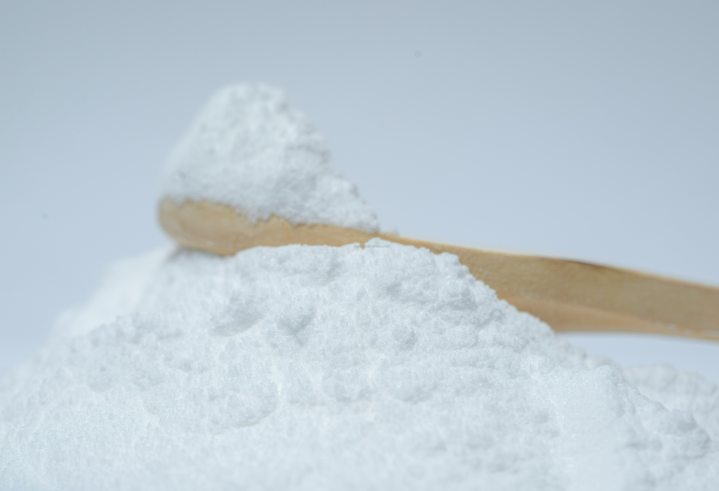
Sucralose is an artificial sweetener that is commonly used as a sugar substitute in food and drinks. It is approximately 600 times sweeter than sugar and is non-caloric, meaning it does not provide any calories to the body when consumed, making it a popular choice for individuals trying to reduce their caloric intake or manage their blood sugar levels. Sucralose is created by modifying sugar chemically, making it resistant to digestion and absorption in the body. It is commonly found in diet sodas, chewing gum, baked goods, and other low-calorie products.
Sucralose is generally considered safe for consumption by regulatory agencies, including the FDA and the European Food Safety Authority. It has been extensively studied and there is no evidence to suggest that it poses any significant health risks when consumed in moderate amounts.
However, some studies have raised concerns about potential negative effects of sucralose on gut health and the microbiome. Some research has suggested that sucralose may alter the balance of bacteria in the gut, which could have implications for overall health and metabolism. Additionally, there have been reports of sucralose causing digestive issues in some individuals, such as bloating, gas, and diarrhea.
Overall, while sucralose is considered safe for most people when consumed in moderation, it is always a good idea to be mindful of your overall intake of artificial sweeteners and to consider incorporating natural sweeteners, such as stevia or monk fruit, into your diet as well. As with any food additive, it is important to listen to your body and make choices that work best for your individual health and well-being.

3.Is sucralose better than aspartame?
It depends on individual preferences and health considerations.
Sucralose produced by Rui zelin is a zero-calorie artificial sweetener that is derived from sugar. It is about 600 times sweeter than sugar and does not affect blood sugar levels. Some studies have suggested that sucralose is safe for consumption, but there are also concerns about potential negative health effects, such as digestive issues and disruption of gut bacteria.
Aspartame produced by Rui zelin is another zero-calorie artificial sweetener that is commonly used in diet products. It is about 200 times sweeter than sugar and is also considered safe for consumption by regulatory agencies. However, some people may experience side effects such as headaches or allergic reactions from consuming aspartame.
Ultimately, the choice between sucralose and aspartame comes down to personal preference and any potential health concerns. It is important to consume artificial sweeteners in moderation and consult with a healthcare provider if you have any questions or concerns.
4.What are the side effects of sucralose?
While sucralose is generally considered safe for consumption, some people may experience side effects when consuming it in large amounts. Common side effects of sucralose may include:
01.Digestive issues: Some individuals may experience bloating, gas, diarrhea, or other gastrointestinal discomfort when consuming large amounts of sucralose.
02.Headaches: Some people have reported experiencing headaches or migraines after consuming products containing sucralose.
03.Allergic reactions: In rare cases, individuals may have an allergic reaction to sucralose, which can manifest as hives, itching, swelling, or difficulty breathing.
04.Insulin response: Some studies suggest that sucralose may affect insulin levels and glucose metabolism, which could potentially impact blood sugar control in individuals with diabetes.
In conclusion, while sucralose is generally considered safe for consumption, it is important to be mindful of its potential effects on health and to consume it in moderation. As with any food or ingredient, it is always best to consult with a healthcare professional before making significant changes to your diet.