


Epsilon Polylysine: The New Breakthrough in Food Preservation
Epsilon polylysine is a natural antimicrobial compound that is produced by fermentation of Streptomyces albulus. It is a linear homopolymer of the amino acid lysine, with a molecular weight ranging from 4,000 to 10,000 Daltons. Epsilon polylysine has strong antimicrobial properties against a wide range of bacteria, fungi, and yeasts, making it a popular ingredient in food preservation and cosmetics. It is considered safe for consumption and has been approved for use in various countries as a food preservative.
Lysine is an essential amino acid that is necessary for the body to build proteins. It plays a crucial role in various bodily functions, including the growth and maintenance of tissues, the production of enzymes and hormones, and the absorption of calcium. Lysine is found in many foods, such as meat, fish, dairy products, and legumes. It is also available as a dietary supplement and is commonly used to treat cold sores and improve athletic performance.

3.Epsilon Polylysine VS Lysine
Epsilon polylysine and lysine are both amino acids that are commonly used in the food industry as preservatives. However, there are some key differences between the two.
A. Chemical structure: Epsilon polylysine is a polymer that is made up of multiple lysine amino acids linked together. Lysine, on the other hand, is a single amino acid.
B. Antimicrobial properties: Both epsilon polylysine and lysine have antimicrobial properties, but epsilon polylysine is more effective against a wider range of bacteria and fungi. It is also more heat-stable than lysine.
C. Usage: Epsilon polylysine is used in very small quantities (usually less than 1%) as a preservative in a wide range of food products, including soy sauce, fermented foods, and beverages. Lysine is used in larger quantities (up to 2%) as a supplement in animal feed to improve the protein content.
D. Safety: Both epsilon polylysine and lysine are generally recognized as safe (GRAS) by the FDA. However, some studies have raised concerns about the potential health effects of high doses of lysine, including damage to the liver and kidneys, and an increased risk of gallstones.
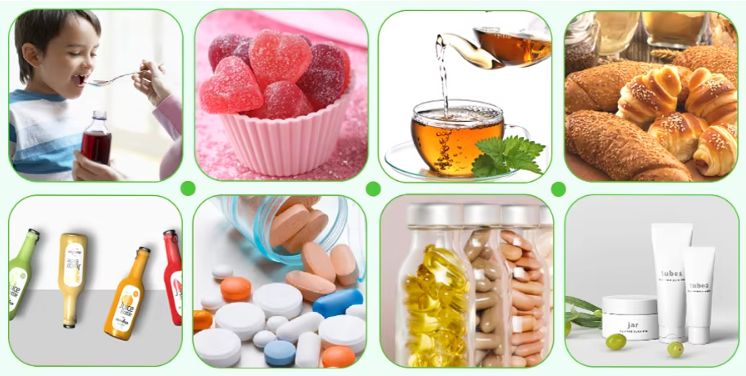
4.What is Epsilon Polylysine produced by Rui zelin used for ?
1. Food industry: as a safe natural food preservative, Rui zelin epsilon polylysine can inhibit the growth of bacteria, yeast, mold, and other microorganisms, and extend the shelf life of food. It is mainly used in fermented foods such as soy sauce, vinegar, sauce, juice, and beer.
2. Pharmaceutical industry: having various functions such as bactericidal, antiviral, anti-tumor, and nutritional supplement, epsilon polylysine is widely used in eye drops, oral care liquid, disinfectant equipment liquid, surgical supplies, and other products.
3. Cosmetic industry: it can act as an antibacterial, preservative, antioxidant, moisturizer, among others, in cosmetics, including sunscreen, toner, face masks, and other products.
4. Livestock industry: Rui zelin epsilon polylysine can inhibit the growth and reproduction of internal and external parasitic bacteria of animals, enhance the protein content and nutritional value of feed, and promote animal growth and development. It is mainly used in feed for poultry, livestock, and aquatic animals.
In general,Epsilon Polylysine stands out as a versatile and reliable ingredient that meets the evolving needs of the food industry. With its proven track record in preserving food quality and safety, this natural antimicrobial compound is set to play a key role in shaping the future of food preservation practices.