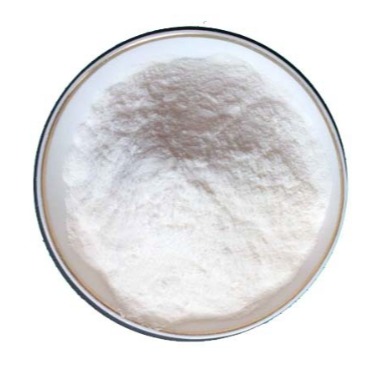





BEE VENOM
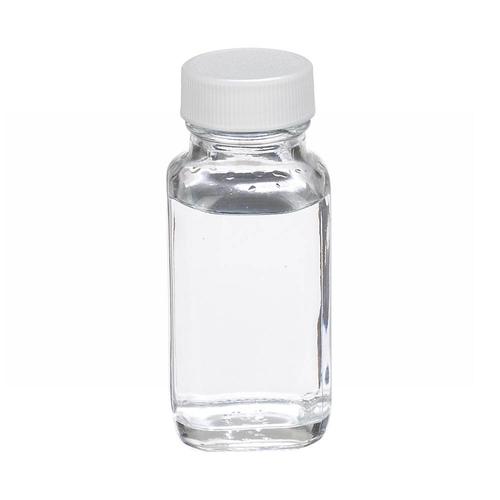
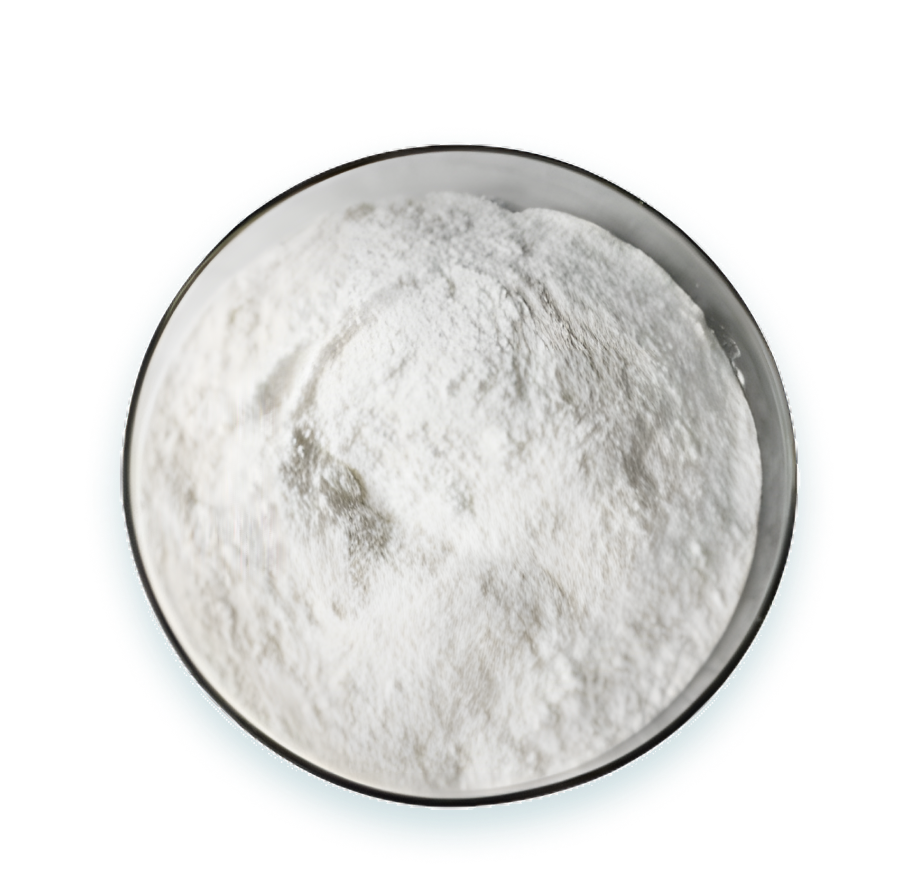
In its natural state, bee venom is a transparent yellowish liquid with bitter taste, viscosity and special aromatic odor. PH value 5.5, specific gravity 1.1313; Water content 80 ~ 88%, easy to volatilize at room temperature, and soon dry to 30 ~ 40% of the weight of the original liquid, a transparent piece of bone glue; Bee venom is soluble in water and oleic acid, its aqueous solution does not have acidic reaction, but it is insoluble in ethanol, and its effect is unchanged in 0.1N caustic soda or sulfuric acid solution for 24 hours. However, heating with oxidation and acid-base mixture for a long time can reduce its activity, and it will soon lose its activity under the action of gastrointestinal enzymes. The effect of dried bee venom is not affected by heating to 100℃ or freezing. Under strict sealed conditions, it can be stored for several years. Bee venom is a highly complex mixture of pharmacological and biochemical activities.
The composition of bee venom is also very complex, mainly containing highly biologically active polypeptide substances, acids, formic acid, hydrochloric acid, II-phosphate, magnesium phosphate, histamine, amino acids, cystine, methionine, tryptophan, choline, glycerol, lipids, proteins, volatile oils, sulfur, potassium, calcium, molybdenum and other elements. Bee venom also contains several toxins (mainly Miri tincture, which accounts for about 50% of the toxins).


Anti-inflammatory effect: The proteins and enzymes in BEE VENOM can reduce inflammation and swelling.
Antioxidant effect: The amino acids and bioactive peptides in BEE VENOM have antioxidant effects, which can help protect the skin from free radical damage.
Promote blood circulation: BEE VENOM can promote blood circulation and help improve the skin's radiance and elasticity.
Antibacterial effect: BEE VENOM has antibacterial effects, which can help prevent and treat skin infections.

BEE VENOM is commonly used in beauty and skin care products, such as creams, essences and masks.