




Chrysophanol


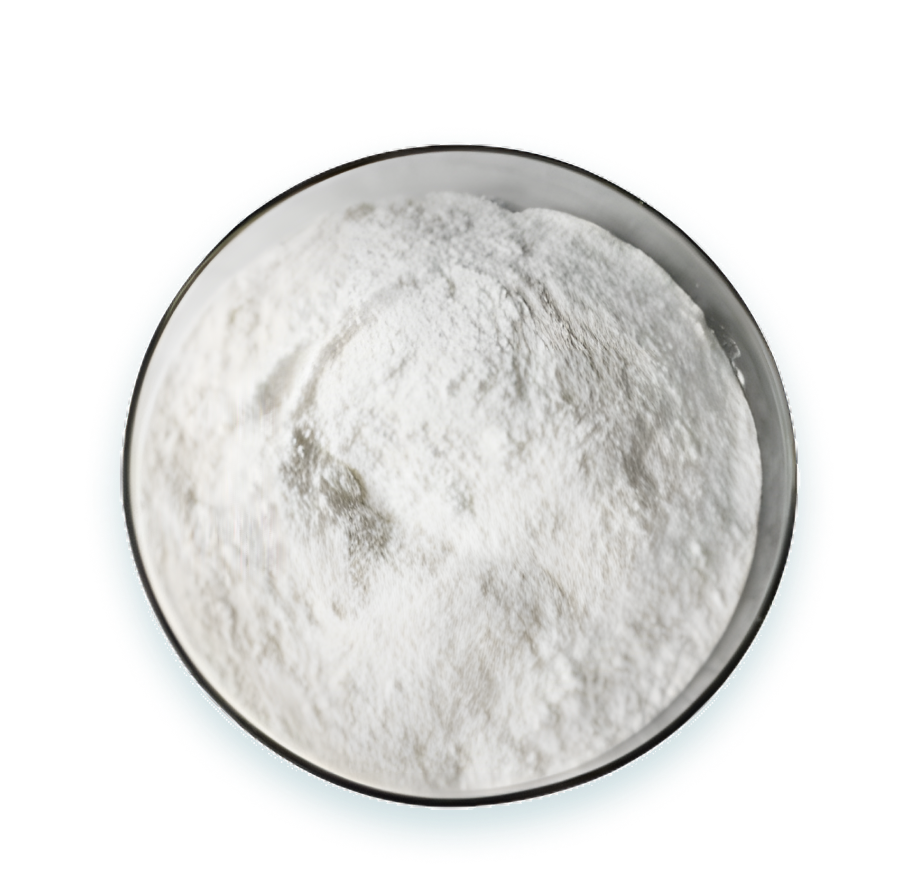
Chrysophanol is a natural organic compound belonging to the anthraquinone class of compounds. It is often used as a raw material for traditional Chinese medicine and cosmetics. It has the following effects and applications:
1. Antibacterial and antiviral: Studies have shown that Chrysophanol has certain antibacterial and antiviral capabilities and can be used to treat infectious diseases.
2. Antioxidant: Chrysophanol has a strong free radical scavenging ability, can resist oxidation, and reduce cell damage caused by oxidation reactions.
3. Regulating blood sugar: Chrysophanol can affect glucose metabolism, promote insulin secretion, and lower blood sugar levels. It has a certain auxiliary therapeutic effect on diabetic patients.
4. Choleretic and laxative: Chrysophanol has a slight choleretic and laxative effect, which can help eliminate excess toxins and waste.
5. Treatment of skin diseases: Chrysophanol can promote skin cell metabolism, reduce skin pigmentation, brighten the skin, and has a certain effect on controlling skin pigmentation and treating skin inflammation.
6. Cosmetic application: Chrysophanol is widely used in cosmetics, such as whitening cream, skin care cream, facial mask and other products, because of its whitening, anti-oxidation and anti-inflammatory effects.

In addition, Chrysophanol can also be used in medicine and other fields, such as foot wrapping pills, external patches, dyes, etc.