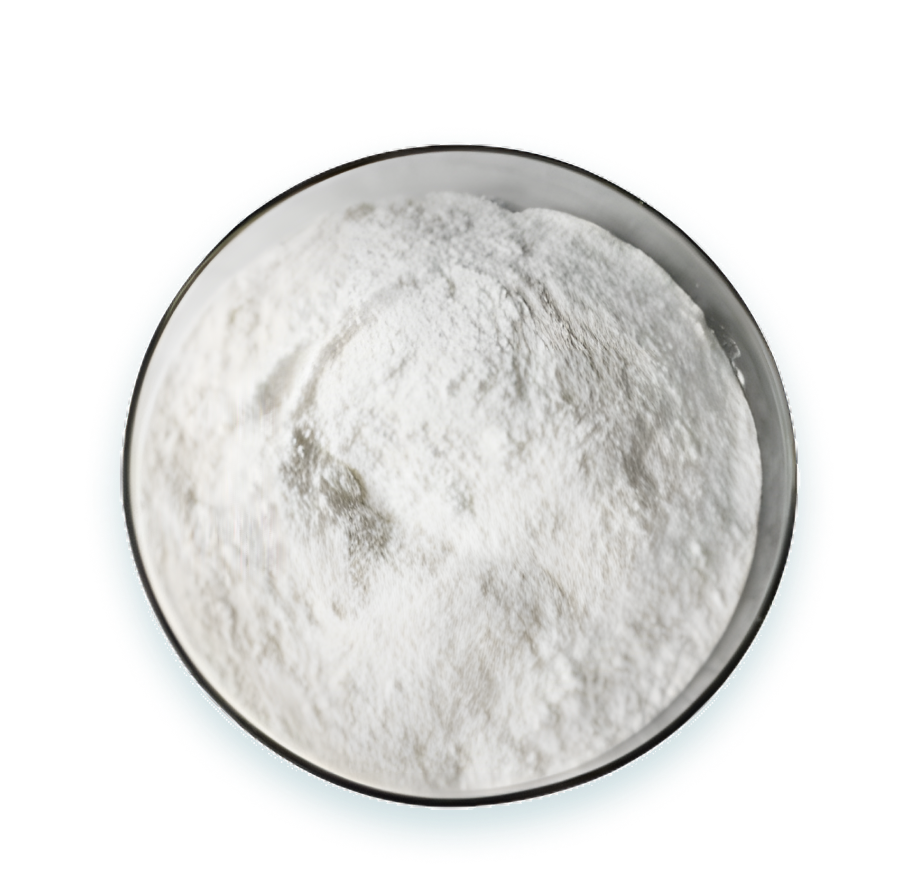
Product Name | Cefuroxime sodium |
Appearance | White powder |
Specification | 99% |
Test Method | HPLC |
Storage | Keep in a cool, dry, dark location in a tightly sealed container or cylinder. |
Shelf Time | 24 months |
| MOQ | 1kg |

Cefuroxime sodium is a second-generation cephalosporin antibiotic. Its core function is to kill susceptible bacteria, thereby treating infections caused by these bacteria.
Its mechanism of action is:
Attacking the bacterial cell wall: It binds to specific proteins (penicillin-binding proteins) on the bacterial cell membrane.
Inhibiting cell wall synthesis: It hinders the synthesis of a key component of the bacterial cell wall (peptidoglycan).
Causing bacterial death: Without a robust cell wall for protection, bacteria swell and rupture under their own osmotic pressure, leading to death.
Key characteristic: It is highly stable against β-lactamases. This enzyme is a"weapon"used by many bacteria to resist penicillin and first-generation cephalosporins. Therefore, cefuroxime is effective in treating some bacterial infections resistant to common penicillin.

Cefuroxime sodium is primarily administered via injection (intramuscular or intravenous) and is suitable for moderate to severe infections requiring systemic medication. Its main clinical applications include:
1. Lower Respiratory Tract Infections
Community-acquired pneumonia
Acute exacerbations of chronic bronchitis
Especially effective against common pathogens such as Streptococcus pneumoniae and Haemophilus influenzae (including drug-resistant strains).
2. Urinary Tract Infections
Acute pyelonephritis
Complicated urinary tract infections
Usually caused by Gram-negative bacteria such as Escherichia coli.
3. Skin and Soft Tissue Infections
Cellulitis, erysipelas, abscesses, wound infections, etc.
Common pathogens include Staphylococcus aureus and Streptococcus pyogenes.
4. Central Nervous System Infections
Bacterial Meningitis
When the blood-brain barrier permeability increases due to inflammation, cefuroxime can effectively enter the cerebrospinal fluid to combat Streptococcus pneumoniae, Neisseria meningitidis, and Haemophilus influenzae.
5. Bone and Joint Infections
Osteomyelitis and suppurative arthritis.
6. Gonorrhea
Used to treat uncomplicated gonorrhea (such as urethritis, cervicitis).
7. Perioperative Infection Prophylaxis
Administered intravenously before surgical procedures (such as orthopedic, cardiovascular, and gastrointestinal surgeries) to prevent postoperative wound and deep tissue infections.
8. Sepsis
Used to treat bacteremia or sepsis caused by susceptible bacteria entering the bloodstream.