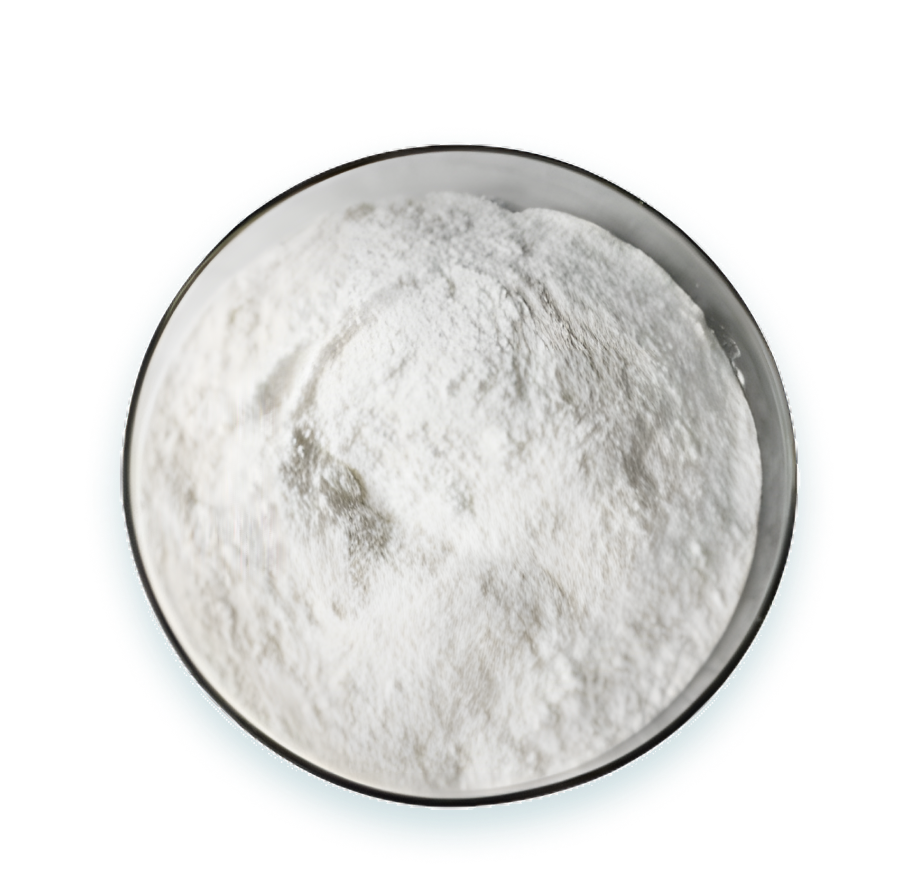





Cardiac Peptide Powder


Cardiac Peptide Powder mainly refers to some peptide substances related to heart function, which are usually used in research and clinical applications.
Heart Protection: Certain Cardiac Peptide Powder can protect the heart by improving the function and survival of cardiomyocytes.
Diuretic Effect: Some Cardiac Peptide Powder have a diuretic effect, helping to reduce excess fluid in the body, thereby reducing the workload on the heart.
Lowering Blood Pressure: Cardiac Peptide Powder can lower blood pressure by dilating blood vessels, helping to improve cardiovascular health.
Regulating Heart Rate: Cardiac Peptide Powder can affect the electrophysiological properties of the heart, thereby regulating heart rate.
Anti-Inflammatory Effect: Some Cardiac Peptide Powder may have anti-inflammatory properties, helping to reduce the inflammatory response associated with heart disease.

Applications
Cardiovascular Disease Treatment: Cardiac peptide powder can be used to treat cardiovascular diseases such as heart failure and hypertension.
Research Uses: Cardiac Peptide Powder are used in basic research to investigate cardiac function, disease mechanisms, and potential therapeutic targets.
Nutritional Supplementation: Cardiac Peptide Powder are added as ingredients in some health supplements to support heart health.
Drug Development: Research on Cardiac Peptide Powder may provide leads for the development of new drugs, particularly for heart disease and metabolic syndrome.