


Potassium Citrate How This Versatile Additive Transforms Food and Health
Potassium Citrate
🧪 What Is Potassium Citrate?
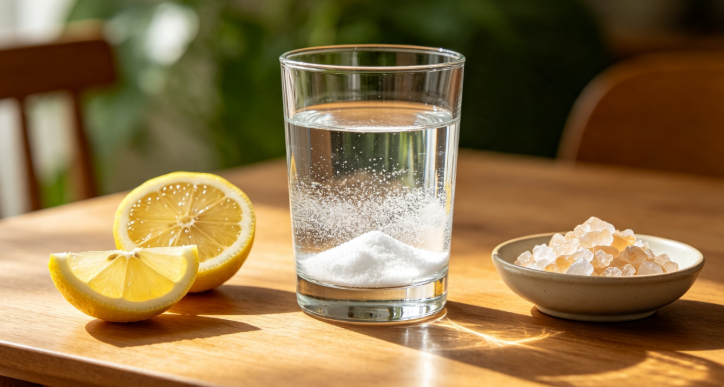
Chemically designated as C₆H₅K₃O₇, potassium citrate is a potassium salt of citric acid. It appears as a white, crystalline powder or translucent granules, highly soluble in water with a mildly tart, saline taste.

Key Properties
- Molecular Weight: 306.39 g/mol (anhydrous)
- Solubility: Highly soluble in water; practically insoluble in ethanol.
- pH (solution): Alkaline (7.5–9.0) — central to its physiological effects.
Unlike potassium chloride, potassium citrate provides a metabolizable organic anion (citrate). After absorption, citrate is oxidized in the liver to bicarbonate, yielding an alkaline load that neutralizes metabolic acids.
⚙️ Mechanisms & Health Benefits
The efficacy of potassium citrate stems from two core actions: alkalinization and potassium supplementation.
🟡 A. Urinary Alkalinization & Stone Prevention
The most documented application: kidney stone management. By increasing urinary pH, it:
- Reduces supersaturation of calcium oxalate and uric acid, preventing crystallization.
- Increases inhibitory activity against stone formation.
- Promotes dissolution of uric acid stones.
🟠 B. Metabolic Acidosis Correction
In chronic acidosis (renal insufficiency, high-protein diets), the body leaches calcium from bones. Potassium citrate provides bicarbonate precursors, restoring acid-base balance and preserving muscle/bone mass.
🔴 C. Cardiovascular & Bone Health
As a potassium source, it counteracts sodium’s pressor effects, supports healthy blood pressure, and reduces urinary calcium loss — helping maintain bone mineral density.
📦 Primary Applications & Use Cases
Potassium citrate is used across clinical medicine, food processing, and sports nutrition.
🧬 I. Clinical & Pharmaceutical
- Nephrolithiasis (Kidney Stones): First-line therapy for recurrent calcium oxalate, calcium phosphate, and uric acid stones. Extended‑release tablets (e.g., Urocit‑K) ensure 24‑hour alkalinization.
- Renal Tubular Acidosis (RTA): Corrects hypokalemia and chronic acidosis in distal RTA (Type 1).
- Hypokalemia: Gentle, non‑chloride potassium replacement for diuretic‑induced or GI losses.
🍽️ II. Food & Beverage Industry (E332)
- Acidity Regulator: pH control in jams, jellies, carbonated drinks without harsh sourness.
- Emulsifying Salt: Prevents fat separation in processed cheese; improves meltability.
- Buffering Agent: Stabilizes active ingredients in effervescent tablets and pharmaceuticals.
🏃 III. Sports Nutrition & Wellness
- Performance: Buffers lactic acid, delays neuromuscular fatigue during intense exercise.
- Recovery: Replenishes electrolytes lost in sweat; aids clearance of metabolic byproducts.

🎯 Target Populations & Industries
Potassium citrate serves diverse groups — from clinical patients to food technologists.
| Industry / Sector | Target Population | Rationale |
|---|---|---|
| 🏥 Urology | Recurrent stone formers; ketogenic diet patients | Prevents stone recurrence; protects renal function |
| 🧓 Geriatrics | Elderly with metabolic acidosis & osteopenia | Reduces bone resorption; potassium without sodium |
| 🏋️ Sports | Endurance athletes; high‑intensity trainers | Lactic acid buffer; electrolyte replenishment |
| 🥫 Food Tech | Processed food & low‑sugar beverage makers | Clean‑label acidity regulator; sodium reduction |
| 🐾 Veterinary | Dogs & cats with urate/cystine uroliths | Urine alkalinization to dissolve crystals |
⚠️ Dosage, Safety & Contraindications
GRAS (Generally Recognized as Safe) by the FDA, but must be used cautiously.
- Typical Dosage: 30–60 mEq/day for stone prevention, divided into 2–3 doses with meals to reduce gastric upset.
- Side Effects: Mild GI symptoms (nausea, abdominal discomfort). Extended‑release forms help.
- Absolute Contraindications:
- Severe renal impairment (eGFR < 30 mL/min) – risk of hyperkalemia.
- Hyperkalemia (elevated blood potassium).
- Peptic ulcer disease or esophageal compression.
- Acute UTI with obstruction.
Drug Interactions: ACE inhibitors, ARBs, potassium‑sparing diuretics, and NSAIDs may increase potassium levels. Concurrent use requires strict medical supervision.
✨ Conclusion: Cornerstone of Metabolic Health
Potassium citrate is much more than a simple salt — it is a metabolic mediator connecting diet, homeostasis, and therapy. From dissolving kidney stones to extending shelf life, from preserving muscle function to protecting bones, its applications are remarkably diverse.
As modern diets shift toward higher acid loads (animal protein, processed foods), the demand for safe, effective alkalinizing agents like potassium citrate will continue to grow. For healthcare professionals, dietitians, and food scientists, understanding this compound is not just beneficial — it is essential for optimizing human health and product quality in the 21st century.


