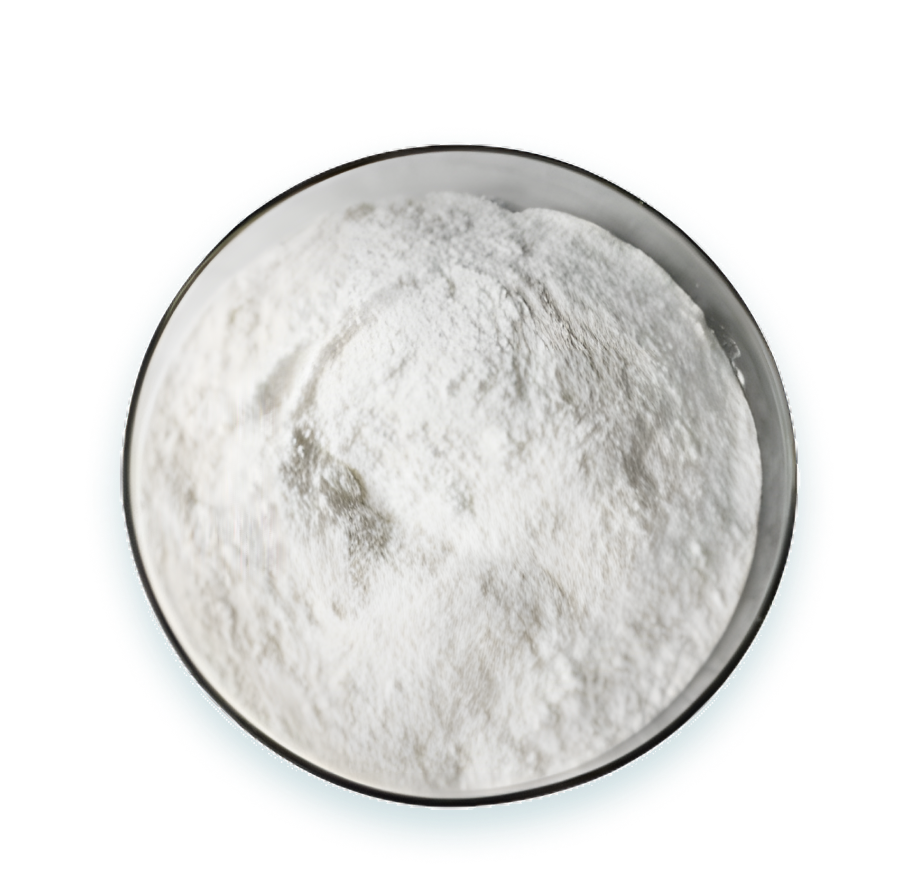





Oxytetracycline hydrochloride
MF: C22H25ClN2O9
MW:496.89
EINECS: 218-161-2


Oxytetracycline hydrochloride inhibits bacterial protein synthesis by reversibly binding to the 30S ribosomal subunit, preventing aminoacyl-tRNA from attaching to the acceptor (A) site.
This bacteriostatic action disrupts peptide chain elongation, effectively controlling Gram-positive and Gram-negative bacteria, rickettsiae, chlamydia, mycoplasma, and protozoa.
Its lipophilic nature allows passive diffusion through bacterial membranes, enhancing efficacy against intracellular pathogens

1.Oxytetracycline hydrochloride Human Medicine
Oxytetracycline hydrochloride treats diverse infections, including:
Rickettsial diseases: Q fever, typhus.
Bacterial infections: Brucellosis (combined with aminoglycosides), plague, cholera, and chlamydia.
Adjunctive therapy: Acute intestinal amebiasis and severe acne
2.Oxytetracycline hydrochloride Research Applications
Genetic studies: Serves as a selective agent in vectors with oxytetracycline-controlled transcriptional systems to regulate gene expression.
Environmental science: Investigates antibiotic resistance in livestock environments and aquatic ecosystems.
Material development: Oxytetracycline hydrochloride Used in photocatalytic degradation studies (e.g., Co-TiO₂ nanoparticles) for environmental remediation
3.Oxytetracycline hydrochloride Veterinary & Livestock Use
Livestock: Controls E. coli, Salmonella (e.g., piglet scours), Pasteurella, and Brucella infections. Administered via feed (10–50 g/ton) or water (100 g/400 L).
Poultry: Added to feed (5–50 g/ton) for growth promotion and disease prevention (withdrawn 7 days pre-slaughter).
Aquaculture: Treats bacterial infections in fish (100 g/200 kg feed for 3–7 days)