


Vitamin B5-The Essential Architect of Cellular Energy and Radiant Health
1. What Is Vitamin B5? The Ubiquitous Nutrient
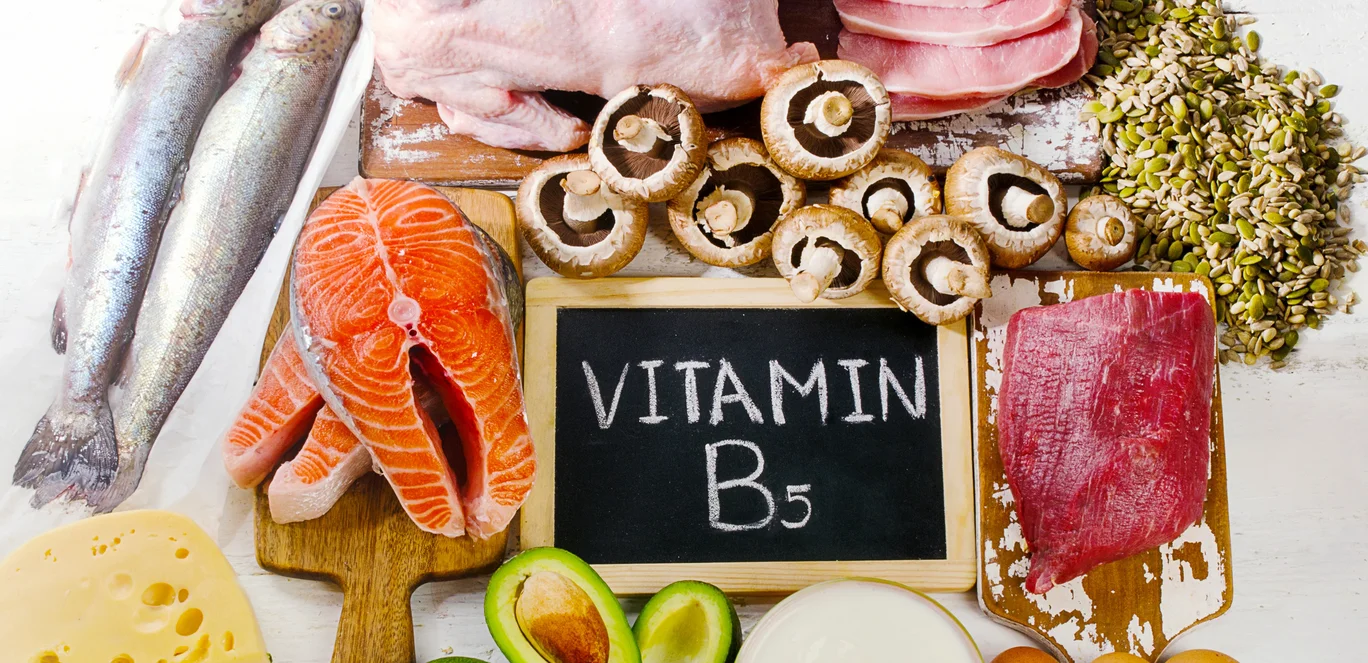
Vitamin B5, scientifically termed pantothenic acid (from the Greek pantos, meaning "everywhere"), is a water-soluble vitamin that permeates nearly all plant and animal tissues. Its name reflects its widespread presence in nature, from sunflower seeds to salmon. Within the body, vitamin B5 is transformed into its active form, coenzyme A (CoA)—a fundamental cofactor involved in over 100 metabolic pathways. Unlike fat-soluble vitamins, B5 cannot be stored significantly in the body, necessitating daily intake through diet or supplementation to sustain optimal physiological function.
2. Biological Roles: The Metabolic Powerhouse
-
Energy Production: As a component of CoA, it facilitates the conversion of carbohydrates, fats, and proteins into adenosine triphosphate (ATP)—the body’s primary energy currency.
-
Fatty Acid Synthesis & Oxidation: It initiates the synthesis of lipids essential for cell membranes and hormones, while also enabling the breakdown of fats for energy.
-
Detoxification Support: CoA assists the liver in neutralizing toxins and drugs.
-
Neurotransmitter Production: It contributes to the synthesis of acetylcholine, a key neurotransmitter for memory and muscle control.
3. Vitamin B5 in Human Health: From Skin Deep to Systemic Vitality
Skin Regeneration and Wound Healing
Clinical studies demonstrate that topical or oral vitamin B5 (often as panthenol) accelerates tissue repair by stimulating fibroblast proliferation and enhancing epidermal barrier function. Its anti-inflammatory properties make it effective in managing acne, eczema, and sunburn. For instance, a 2022 study published in Skin Pharmacology and Physiology showed a 5% panthenol cream reduced transepidermal water loss by 30% in patients with moderate dermatitis.
Hormonal Balance and Stress Adaptation
Vitamin B5 supports adrenal gland function, helping regulate cortisol production. Supplementation with 500–1,000 mg/day has been linked to improved resilience to physical and emotional stress.
Cardiovascular Wellness
The derivative pantethine has been shown in clinical trials to lower LDL cholesterol by 11% and triglycerides by 18%, outperforming standard pantothenic acid in lipid management.
4. Sources and Supplementation: Meeting Your Daily Needs
| Source | B5 Content (mg per 100g) | Bioavailability |
|---|---|---|
| Sunflower seeds | 7.0–8.5 | High |
| Chicken liver | 6.5–7.5 | High |
| Avocado | 1.5–2.0 | Moderate |
| Shiitake mushrooms | 3.5–4.5 | High |
Supplement Forms:
-
Pantothenic acid: Ideal for general supplementation.
-
Calcium pantothenate: A stable salt form used in multivitamins.
-
Panthenol: Preferred for topical applications and liquid formulations.
Dosage Guidance:
-
Adults (RDA): 5 mg/day
-
Therapeutic use: 100–500 mg/day (under medical guidance for specific conditions)
5. Innovations and Industrial Applications
Cosmeceuticals
Vitamin B5 is a star ingredient in "clean beauty" products due to its non-irritating, hydrating, and reparative properties. Nano-emulsified panthenol now enables deeper skin penetration in anti-aging serums.
Clinical Nutrition
High-dose B5 is utilized in critical care to support patients with metabolic stress, burns, or postoperative recovery.
Sustainable Production
Advances in microbial fermentation using Escherichia coli or Bacillus subtilis allow for eco-friendly, animal-free B5 production, meeting vegan and allergen-free market demands.
6. Safety, Synergies, and Considerations
Vitamin B5 is exceptionally safe, with no established upper limit. Excess intake is excreted renally. However, very high doses (>1,000 mg/day) may cause mild gastrointestinal discomfort.
Synergistic Combinations:
-
With biotin (B7): Enhances cosmetic efficacy for hair and nail strength.
-
With vitamin C: Promotes collagen synthesis and immune defense.
Special Populations:
-
Pregnant women: Ensure adequate intake for fetal development.
-
Elderly: Support energy metabolism and cognitive function.
7. The Future of Vitamin B5 Research
Emerging studies explore:
-
Epigenetic influence: B5’s role in modulating gene expression via acyl-CoA metabolites.
-
Longevity science: Potential involvement in mitochondrial biogenesis and cellular repair.
-
Mental health applications: Investigating CoA’s impact on neurotransmitter balance in depression and anxiety.
Conclusion: The Quiet Guardian of Holistic Health
Vitamin B5 may lack the celebrity status of vitamins like D or C, but its omnipresence in metabolism underscores its irreplaceable role. From fueling every cell to repairing skin and balancing stress, this humble vitamin exemplifies how foundational nutrients empower vitality. As science unveils new dimensions of its utility, vitamin B5 continues to prove that true wellness often starts with the basics.


