


The Golden Molecule That Keeps You Young-Beta-Carotene
What Is Beta-Carotene?
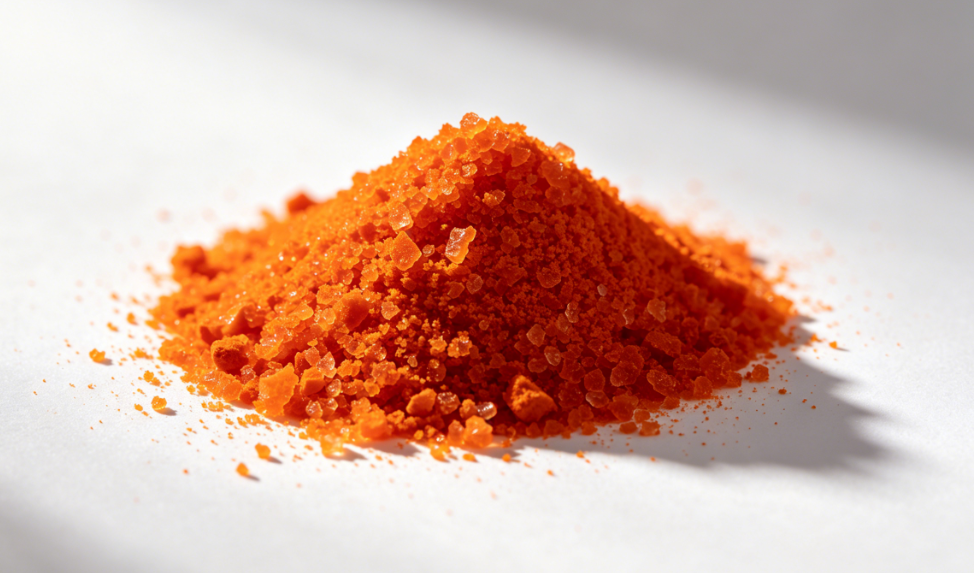
Beta-carotene is a naturally occurring red-orange pigment found abundantly in plants and fruits. It belongs to a family of compounds called carotenoids, which are responsible for the vibrant colors of carrots, sweet potatoes, pumpkins, apricots, and leafy greens like spinach.
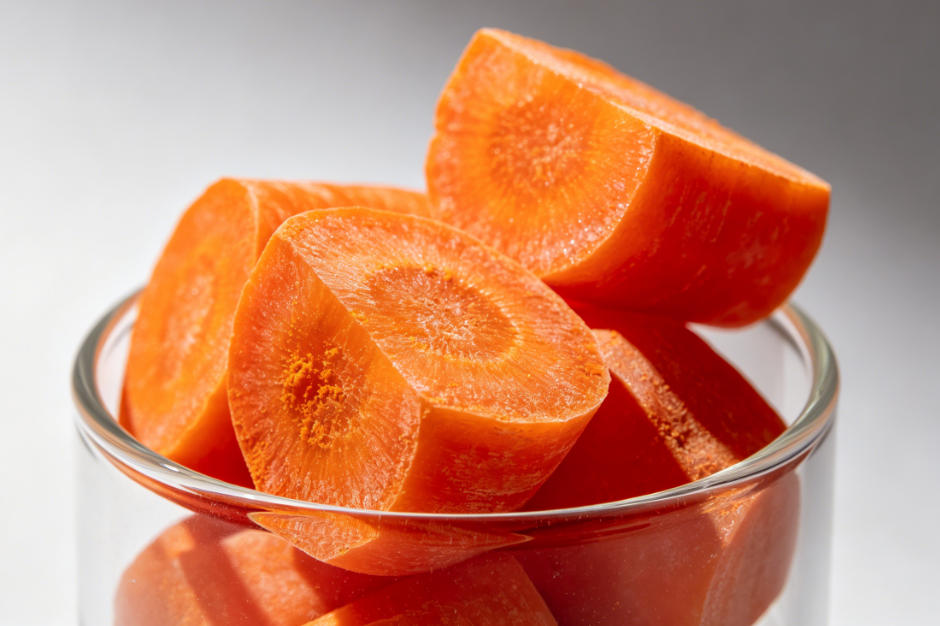
Scientifically, beta-carotene is classified as a provitamin A — meaning your body converts it into retinol (active vitamin A) only when needed. This built-in safety mechanism prevents the risk of vitamin A toxicity, a concern associated with consuming high doses of preformed vitamin A from animal sources (such as liver or supplements).
🔬 Chemical formula: C₄₀H₅₆
💧 Solubility: Fat-soluble (absorbs best with dietary fats)
Top Health Benefits of Beta-Carotene
1. Potent Antioxidant Protection
Beta-carotene is a powerful free radical scavenger. It helps neutralize singlet oxygen and other reactive oxygen species (ROS), reducing oxidative stress that can damage DNA, proteins, and cell membranes. This antioxidant activity is linked to slower aging and reduced risk of chronic diseases.
2. Supports Healthy Vision
As a precursor to vitamin A, beta-carotene is essential for maintaining the retina, cornea, and night vision. Vitamin A deficiency is a leading cause of preventable blindness worldwide. Beta-carotene also contributes to lowering the risk of age-related macular degeneration (AMD), especially when combined with vitamins C, E, and zinc.

3. Boosts Immune Function
Vitamin A derived from beta-carotene helps maintain mucosal barriers (respiratory, digestive, urinary) and supports the activity of natural killer (NK) cells and T lymphocytes. Adequate intake enhances resistance to infections and supports faster recovery.
4. Promotes Skin Health
Oral beta-carotene has been clinically shown to reduce photosensitivity in conditions such as erythropoietic protoporphyria (EPP) and polymorphous light eruption. Consistent intake over several weeks leads to gradual accumulation in the skin, providing a mild protective effect against UV damage — though it is not a substitute for sunscreen.
5. Cardiovascular Support
Epidemiological studies suggest that higher dietary intake of beta-carotene is associated with a reduced risk of coronary artery disease, stroke, and angina. The effect is linked to reduced lipid peroxidation and improved endothelial function.
6. Cognitive Health
Emerging research indicates that carotenoids, including beta-carotene, may help preserve cognitive function by reducing oxidative stress in neural tissues. Long-term intake has been associated with slower cognitive decline in aging populations.

Important Safety Note for Smokers
⚠️ Large-scale clinical trials (ATBC, CARET) found that high-dose beta-carotene supplements (20–30 mg/day) increase lung cancer risk by 18–28% in current smokers and asbestos-exposed individuals.
✅ This risk does not apply to beta-carotene obtained from whole foods (fruits and vegetables).
🚭 Smokers should avoid high-dose supplements unless specifically prescribed by a physician.
Applications of Beta-Carotene
🍎 Food Industry
Beta-carotene (E 160a) is one of the most widely used natural food colorants. It provides a clean-label yellow-to-orange hue in:
-
Dairy products (butter, margarine, cheese)
-
Salad dressings and sauces
-
Beverages and syrups
-
Ice cream and confectionery
-
Pasta and bakery goods
-
Instant drink powders and nutritional bars
💊 Dietary Supplements
Available in various forms:
-
Softgels, capsules, and chewable tablets
-
Multivitamin formulations
-
High-dose medical preparations (for EPP and other photosensitivity disorders)
🐟 Animal Feed
Synthetic or algal beta-carotene is added to poultry and aquaculture feed to enhance:
-
Egg yolk color
-
Chicken skin pigmentation
-
Flesh color of farmed salmon and trout


