


p-Coumaric Acid: Nature's Versatile Assistant Hidden in Plants
p-Coumaric acid, chemically known as 4-hydroxycinnamic acid, is an organic acid naturally present in plants. It belongs to the phenolic acid compound family and is an important product of plant metabolism. p-Coumaric acid plays multiple roles: it is a component of cell walls, helping plants maintain their structure; it participates in plant defense mechanisms, resisting pathogen invasion; and it serves as a precursor for many vital plant compounds.
In our daily diet, p-Coumaric acid is ubiquitous. It may not be as well-known as vitamin C or calcium, but its impact on our dietary experience and health is not to be underestimated.
In Which Foods is p-Coumaric Acid Found?
Cereals and Grains: Whole grain products such as whole wheat flour, oats, and brown rice are good sources of p-Coumaric acid. Interestingly, p-Coumaric acid is primarily found in the outer bran layer of grains, which is why whole grain foods contain significantly more of this beneficial compound compared to refined grains. When you choose whole wheat bread over white bread, your intake of p-Coumaric acid may increase several-fold.
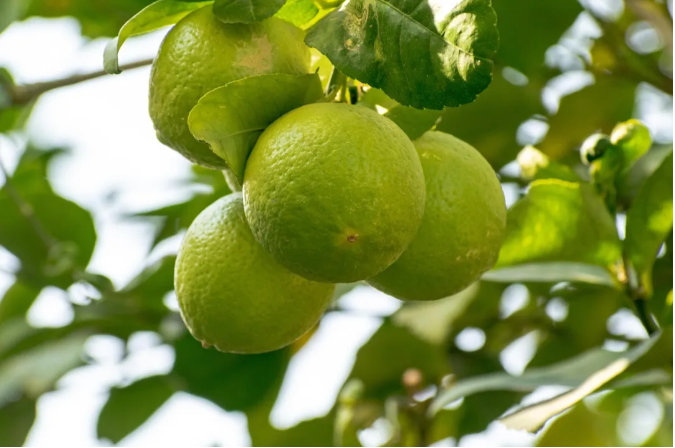
Fruits: Many berries and citrus fruits are rich in p-Coumaric acid. Berries like strawberries, blueberries, and blackberries are not only visually appealing with their vibrant colors but also contain abundant phenolic compounds, including p-Coumaric acid. Citrus fruits such as oranges and lemons contain this substance in both their peel and pulp. This is one reason why consuming certain fruits with the peel (after thorough washing) might be more beneficial for health.
Vegetables: Common vegetables like tomatoes, carrots, onions, and spinach all contain p-Coumaric acid. It is particularly noteworthy that the p-Coumaric acid content in tomatoes changes as they ripen, which is one reason why fully ripe tomatoes have a superior flavor.
Beverages: Coffee, tea, red wine, and beer all contain p-Coumaric acid. During the coffee bean roasting process, p-Coumaric acid undergoes chemical changes, contributing to the coffee's characteristic aroma. The p-Coumaric acid in red wine primarily comes from grape skins and is incorporated into the wine during fermentation.
Nuts and Seeds: Peanuts, almonds, flaxseeds, and others also contain certain amounts of p-Coumaric acid.
Herbs and Spices: Commonly used culinary herbs and spices like cinnamon, basil, and mint are concentrated sources of p-Coumaric acid. This explains why these seasonings not only add flavor but may also offer health benefits.
It is important to note that the content of p-Coumaric acid in foods is influenced by various factors, including plant variety, growing conditions, ripeness, as well as food processing and cooking methods.
How Does p-Coumaric Acid Influence Food Flavor?
p-Coumaric acid itself does not have a prominent taste, yet it acts as a "behind-the-scenes driver" for many food flavors. During food processing and storage, p-Coumaric acid undergoes a series of chemical changes, generating pleasant aromas.
For example, during bread baking, p-Coumaric acid can participate in the Maillard reaction (a reaction between amino acids and reducing sugars), producing the characteristic baking aroma of bread. Similarly, in the coffee roasting process, p-Coumaric acid and its derivatives contribute significantly to the formation of coffee's complex aromatic profile.
In fermented foods like red wine and beer, p-Coumaric acid can be converted into other volatile compounds, adding layers and complexity to the beverages. The unique flavor of certain cheeses is also partially attributed to compounds produced by microbial metabolism of p-Coumaric acid.
Furthermore, p-Coumaric acid can influence our perception of bitterness and astringency. At appropriate concentrations, it can balance the overall flavor profile of food, making the taste more rounded and harmonious.
p-Coumaric Acid in the Food Industry
Natural Preservative: In an era where synthetic preservatives are a sensitive topic, the preservative effects of natural compounds are gaining increasing attention. p-Coumaric acid shows potential value in this regard. Due to its antioxidant properties, p-Coumaric acid can help delay the oxidative rancidity of fat-rich foods. Lipid oxidation not only leads to undesirable off-flavors (such as "rancidity") in food but can also produce harmful substances. p-Coumaric acid helps slow this process by scavenging free radicals, thereby extending the product's shelf life.
However, it's important to note that these protective effects of p-Coumaric acid are mild and auxiliary; they cannot completely replace modern food preservation technologies. Yet, amidst the "clean label" trend, leveraging natural components to enhance food stability is undoubtedly a direction worth exploring.

Flavor Enhancer: p-Coumaric acid and its derivatives can be used to enhance or modify food flavors. For instance, in low-salt products, adding an appropriate amount of such compounds might help compensate for flavor loss caused by salt reduction.


