


Invertase----The Sweet Science Behind Sugar Breakdown
Invertase, an enzyme with a knack for transforming sucrose into sweetness, has quietly revolutionized industries from food manufacturing to biotechnology. Found naturally in organisms like yeast and bees, this catalytic powerhouse unlocks the secrets of sugar metabolism while serving as a critical tool in scientific research. Let’s delve into the science, applications, and fascinating versatility of invertase.
What Is Invertase?
Invertase (EC 3.2.1.26), also known as β-fructofuranosidase or saccharase, is an enzyme that hydrolyzes sucrose into its constituent monosaccharides: glucose and fructose. This reaction yields "invert sugar," a sweeter and more soluble mixture than sucrose itself212.
Derived primarily from baker’s yeast (Saccharomyces cerevisiae), invertase exists in glycosylated forms, such as the periplasmic invertase used in proteomics studies2. Its molecular weight varies by source, with yeast-derived invertase typically around 60 kDa

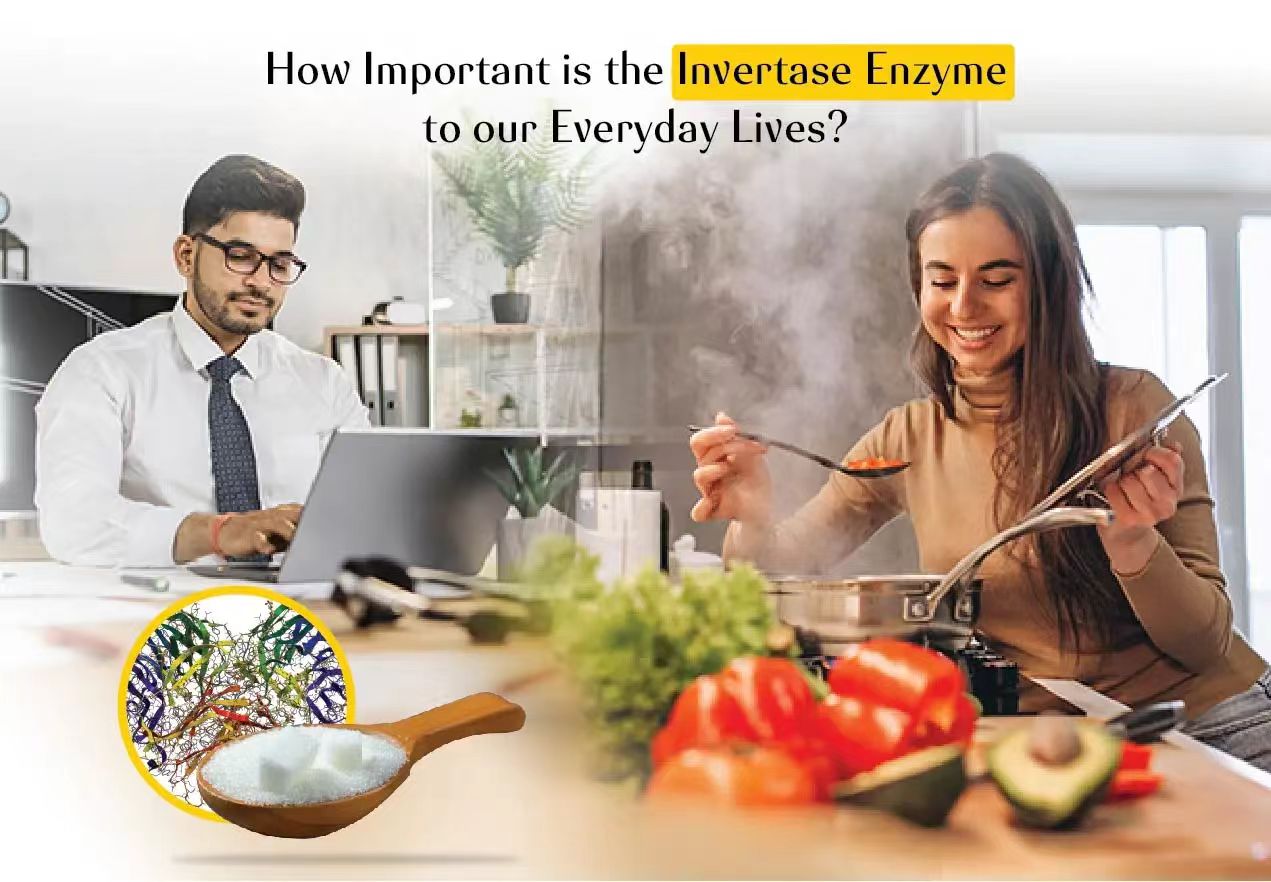
Types and Distribution of Invertase
Invertase is classified based on its pH optimum and cellular localization:
-
Acid Invertase: Thrives in acidic environments (pH 4–5) and is found in cell walls or vacuoles. It plays a key role in sucrose unloading during plant growth.
-
Neutral/Alkaline Invertase: Active at neutral to alkaline pH, located in the cytoplasm. This type is crucial for intracellular sugar metabolism.
-
Extracellular Invertase: Secreted by organisms like yeast, it facilitates sucrose breakdown outside cells.
In plants, invertase distribution varies between "source" tissues (e.g., leaves) and "sink" tissues (e.g., roots), regulating sugar allocation for growth and development
How Does Invertase Work?
The enzyme’s mechanism is elegantly simple:
-
Substrate Binding: Invertase recognizes sucrose and cleaves the β-1,2-glycosidic bond.
-
Hydrolysis: Water molecules break the bond, producing glucose and fructose.
-
Energy Efficiency: Unlike acid hydrolysis, enzymatic action preserves energy and avoids byproducts.
This process is vital for organisms like bees, which use invertase to convert nectar into honey.
Invertase’s versatility spans multiple industries:
-
Food and Beverage:
-
Confectionery: Creates creamy centers in chocolates (e.g., fondant) by liquefying sucrose.
-
Artificial Honey: Mimics natural honey’s texture and sweetness.
-
Baking: Enhances dough fermentation by providing fermentable sugars.
-
-
Biotechnology:
-
Glycoprotein Research: Serves as a standard for studying N-linked glycosylation, aiding proteomics and drug toxicity analyses.
-
Biofuel Production: Breaks down plant biomass into fermentable sugars for ethanol synthesis.
-
-
Agriculture:
-
Plant Development: Regulates sugar metabolism in crops, influencing fruit ripening and root growth.
-
-
Medical Diagnostics:
-
Used in biosensors to detect sucrose levels in clinical samples.
-

The Role of Invertase in Plant Biology
Invertase is a linchpin in plant physiology:
-
Sugar Signaling: By modulating sucrose-to-glucose/fructose ratios, it influences gene expression and stress responses.
-
Growth Regulation: High invertase activity in sink tissues (e.g., roots) drives nutrient partitioning and organ development12.
-
Stress Adaptation: Acid invertase enhances drought tolerance by maintaining osmotic balance
Applications of Invertase
Safety and Industrial Considerations
While invertase is generally safe, industrial use requires precautions:
-
Allergenicity: Yeast-derived invertase may trigger allergies in sensitive individuals.
-
Storage: Lyophilized forms should be stored at 2–8°C to preserve activity2.
-
Regulatory Compliance: Adherence to guidelines ensures safe application in food and pharmaceuticals2.
Why Invertase Matters
-
Natural Efficiency: Offers an eco-friendly alternative to chemical hydrolysis.
-
Economic Impact: Reduces costs in food production by optimizing sugar utilization.
-
Scientific Utility: Aids breakthroughs in glycobiology and metabolic engineering.
From sweetening chocolates to decoding glycoprotein structures, invertase exemplifies the intersection of nature and innovation. Its ability to "unlock" sucrose’s potential has made it indispensable across industries, while ongoing research continues to unveil new applications. Whether you’re a food scientist, biochemist, or curious consumer, invertase’s story is a testament to the power of enzymes in shaping our world.


