


Ferulic acid is nature antioxidant star
2025-02-11
The Benefits of Ferulic Acid for Skin and Its Synergy with Vitamin C.
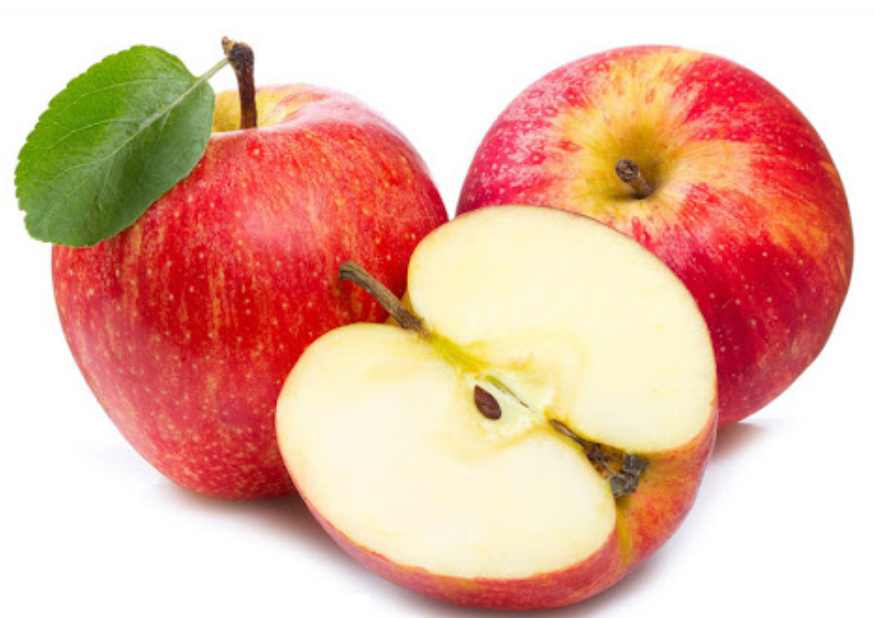
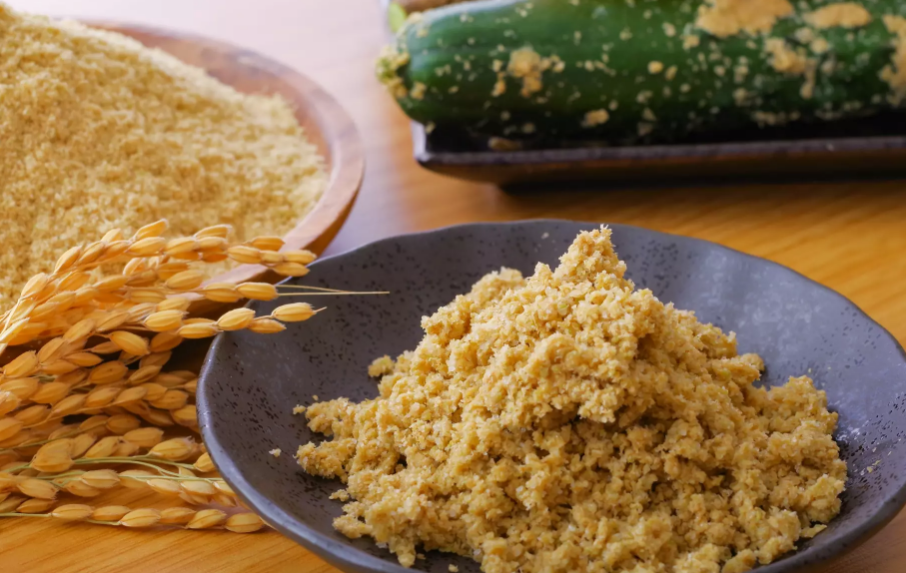
Ferulic acid is a naturally occurring compound found in the cell walls of plants such as rice bran, oats, and apples. It is a potent antioxidant that has gained significant attention in the skincare industry due to its ability to neutralize free radicals, protect against environmental damage, and enhance the efficacy of other antioxidants like vitamin C.
1.What is Ferulic Acid?
Ferulic acid is a hydroxycinnamic acid, a type of organic compound that belongs to the phenolic acid family. It is widely recognized for its antioxidant properties, which help combat oxidative stress caused by factors such as UV radiation, pollution, and other environmental aggressors. In skincare, ferulic acid is often used in serums, creams, and lotions to improve skin health and appearance.
Ferulic acid is a hydroxycinnamic acid, a type of organic compound that belongs to the phenolic acid family. It is widely recognized for its antioxidant properties, which help combat oxidative stress caused by factors such as UV radiation, pollution, and other environmental aggressors. In skincare, ferulic acid is often used in serums, creams, and lotions to improve skin health and appearance.
2.What is Ferulic Acid Good For?
A. Antioxidant effect
Ferulic acid has many mechanisms in antioxidation, such as inhibiting the generation of reactive oxygen species (ROS) and removing excessive free radicals. In addition, it can chelate protonated metal ions and prevent lipid peroxidation, etc.
Ferulic acid has many mechanisms in antioxidation, such as inhibiting the generation of reactive oxygen species (ROS) and removing excessive free radicals. In addition, it can chelate protonated metal ions and prevent lipid peroxidation, etc.
In various in vivo and in vitro tests, ferulic acid can significantly increase the activity of a series of antioxidant factors (TAC content, SOD and CAT activity).
As early as 2006, a review study showed that ferulic acid, as an excellent antioxidant, has been used in the treatment of more diseases. In skin care products, the use of ferulic acid as an antioxidant has also been widely recognized.
The antioxidant effect of ferulic acid is also reflected in the fact that it can significantly improve the barrier protection of the skin after oral administration. For example, taking 200 mg of ferulic acid orally every day can significantly reduce transepidermal water loss and improve keratin hydration after 2 weeks.
As early as 2006, a review study showed that ferulic acid, as an excellent antioxidant, has been used in the treatment of more diseases. In skin care products, the use of ferulic acid as an antioxidant has also been widely recognized.
The antioxidant effect of ferulic acid is also reflected in the fact that it can significantly improve the barrier protection of the skin after oral administration. For example, taking 200 mg of ferulic acid orally every day can significantly reduce transepidermal water loss and improve keratin hydration after 2 weeks.
If you have to compare in terms of antioxidant, ferulic acid may not be as famous as vitamin C, but it has its own unique advantages. For example, once it enters the skin or blood, ferulic acid will stay and take effect longer. For example, when a large number of oxygen free radicals are generated in the body, when the highly active VCs have all died, there may still be a lot of ferulic acid that can fight to the last moment, and it is definitely the king of the "protracted war".
B. UV protection and radiation protection
Because of its cinnamate structure, ferulic acid has a natural sunscreen effect. Studies have shown that it can directly absorb 290-320nm ultraviolet rays.
More importantly, ferulic acid, as a natural sunscreen with antioxidant properties, is safer than other sunscreen ingredients such as benzophenone. It is not easy to produce potential phototoxicity due to the large-scale generation of free radicals, so the safety factor is also high.
A 2018 study showed that combining 1% ferulic acid with several other sunscreen ingredients such as 5% ethylhexyl triazone (a UVA sunscreen) and 10% bis-ethylhexyloxyphenol methoxyphenyl triazine (UVA and UVB sunscreens) can increase SPF by 37% and PA value by 26%, respectively.
Because of its cinnamate structure, ferulic acid has a natural sunscreen effect. Studies have shown that it can directly absorb 290-320nm ultraviolet rays.
More importantly, ferulic acid, as a natural sunscreen with antioxidant properties, is safer than other sunscreen ingredients such as benzophenone. It is not easy to produce potential phototoxicity due to the large-scale generation of free radicals, so the safety factor is also high.
A 2018 study showed that combining 1% ferulic acid with several other sunscreen ingredients such as 5% ethylhexyl triazone (a UVA sunscreen) and 10% bis-ethylhexyloxyphenol methoxyphenyl triazine (UVA and UVB sunscreens) can increase SPF by 37% and PA value by 26%, respectively.
C. Anti-inflammatory effect
Because ferulic acid has a strong antioxidant effect, it is not surprising that it has anti-inflammatory effects. After all, many inflammatory signaling pathways are closely related to antioxidants, and many experiments directly compare it with many non-steroidal anti-inflammatory and glucocorticoid drugs.
For example, ferulic acid can inhibit the gene expression of cyclooxygenase-2 (COX-2), which has an anti-inflammatory effect similar to that of non-steroidal anti-inflammatory drugs.
In terms of in vitro intervention of pro-inflammatory factors, ferulic acid is comparable to the effect of glucocorticoid drug dexamethasone, which also shows that it has a good anti-inflammatory effect.
Because ferulic acid has a strong antioxidant effect, it is not surprising that it has anti-inflammatory effects. After all, many inflammatory signaling pathways are closely related to antioxidants, and many experiments directly compare it with many non-steroidal anti-inflammatory and glucocorticoid drugs.
For example, ferulic acid can inhibit the gene expression of cyclooxygenase-2 (COX-2), which has an anti-inflammatory effect similar to that of non-steroidal anti-inflammatory drugs.
In terms of in vitro intervention of pro-inflammatory factors, ferulic acid is comparable to the effect of glucocorticoid drug dexamethasone, which also shows that it has a good anti-inflammatory effect.
Previous News: Tadalafil: Your Ultimate Guide to Understanding This Popular ED Medication
Next News: Magnesium L-lactate: The Ultimate Solution for Enhanced Energy and Recovery


