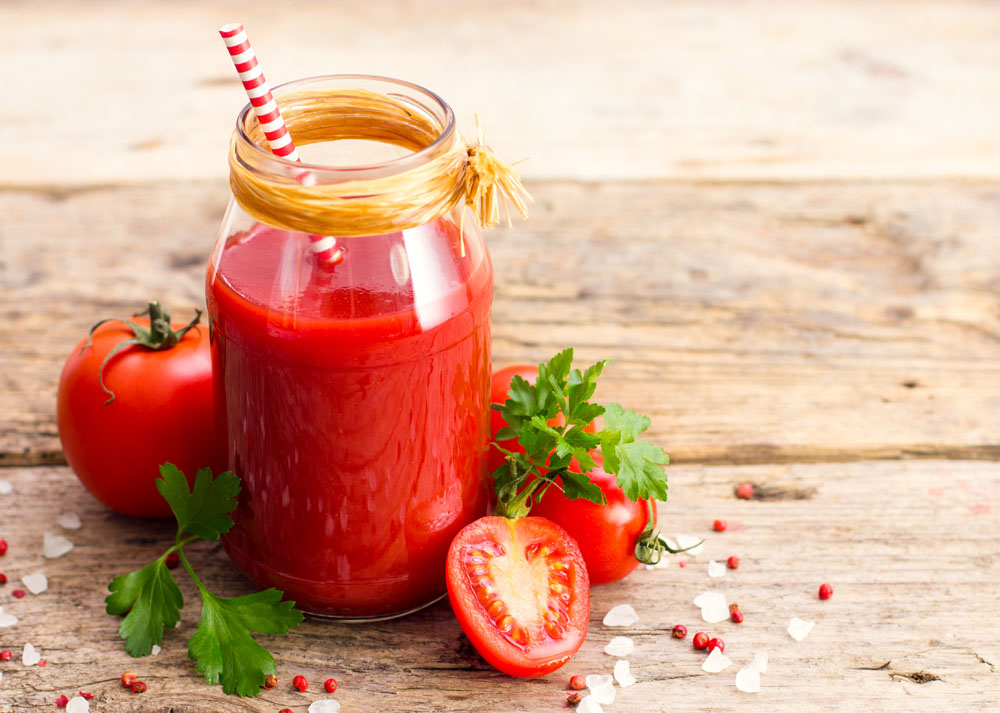


Exploring the dual health and beauty benefits of lycopene
1. What Is Lycopene?
Lycopene is a natural carotenoid pigment responsible for the red, pink, and orange hues in certain fruits and vegetables. Unlike some other carotenoids (such as beta-carotene), lycopene does not convert into vitamin A, but it remains a potent antioxidant that helps neutralize harmful free radicals in the body.

Key Facts About Lycopene:
-
Chemical Structure: A fat-soluble compound (best absorbed with dietary fats).
-
Stability: Resistant to heat, making it more bioavailable in cooked foods (e.g., tomato sauce).
-
Antioxidant Power: One of the strongest antioxidants among carotenoids.
2. What Is Lycopene Good For? (Health Benefits)
Research suggests that lycopene offers multiple health benefits, including:
✔ Heart Health
-
Helps reduce LDL ("bad") cholesterol and oxidative stress.
-
May lower blood pressure and improve blood vessel function.
✔ Skin Protection
-
Acts as a natural sunscreen, protecting against UV damage.
-
May reduce wrinkles and improve skin elasticity.
✔ Cancer Prevention (Potential)
-
Linked to a reduced risk of prostate, lung, and stomach cancers.
-
May slow tumor growth due to its antioxidant effects.
-

✔ Eye Health
-
May lower the risk of age-related macular degeneration (AMD).
✔ Anti-Inflammatory Effects
-
Helps reduce inflammation, benefiting conditions like diabetes and arthritis.
3. What Foods Contain Lycopene?
Lycopene is found in red and pink fruits and vegetables, with the highest concentrations in:
Top Lycopene-Rich Foods
| Food Source | Lycopene Content (per 100g) |
|---|---|
| Tomato paste | ~45 mg |
| Sun-dried tomatoes | ~40 mg |
| Watermelon | ~5-20 mg |
| Fresh tomatoes | ~3-5 mg |
| Guava | ~5 mg |
| Pink grapefruit | ~3 mg |
| Papaya | ~2 mg |